
If you’re looking to upgrade your home cleaning routine naturally, I suggest exploring some of the top DIY recipe books like *The Organically Clean Home*, *The Naturally Clean Home*, and *Salt, Lemons, Vinegar, and Baking Soda*. These guide you through simple, effective, and eco-friendly solutions using common kitchen ingredients. Whether you’re after budget-friendly hacks or toxin-free cleaning, you’ll find plenty of practical ideas. Keep going, and you’ll discover how to make your home healthier and more sustainable.
Key Takeaways
- These books offer natural, cost-effective cleaning recipes using common pantry ingredients like vinegar, baking soda, and essential oils.
- They provide step-by-step instructions to transform your home into a toxin-free, eco-friendly environment.
- Focus areas include kitchen, bathroom, laundry, and general household cleaning for comprehensive coverage.
- Emphasize safety, ingredient accessibility, and simplicity, catering to both beginners and experienced DIYers.
- They promote sustainable practices, reducing reliance on commercial chemicals and encouraging reusable packaging solutions.
The Organically Clean Home: 150 Organic Cleaning Products You Can Make Yourself
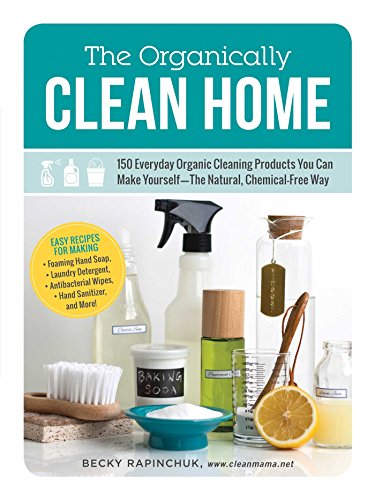

If you’re looking to create a healthier, toxin-free home while saving money, The Organically Clean Home is a perfect choice. This book offers 150 DIY organic cleaning recipes that focus on natural, chemical-free solutions. Authored by popular blogger Becky Rapinchuk, it’s been featured in Real Simple, Shape Magazine, and Oprah.com. The recipes use simple kitchen staples to cut costs and reduce reliance on harsh chemicals. From dishwasher detergent to citrus hand soap, each recipe is easy to follow and designed to keep your home fresh and safe. It’s a practical guide to turning every room into a beautiful, toxin-free space.
Best For: Homeowners and families seeking natural, chemical-free cleaning solutions that save money and create a healthy living environment.
Pros:
- Provides 150 easy-to-make organic cleaning recipes using common kitchen staples.
- Promotes a toxin-free, environmentally friendly home environment.
- Cost-effective way to replace expensive commercial green cleaning products.
Cons:
- Some recipes may require time and effort for preparation and storage.
- Might not have the same strong cleaning power as commercial chemical cleaners for heavy-duty stains.
- Requires purchasing specific ingredients that may not be available in every household.
The Big Book of Homemade Products for Skin, Health, and Home

The Big Book of Homemade Products for Skin, Health, and Home is an ideal choice for anyone enthusiastic to swap synthetic products for natural, DIY solutions. It offers 151 easy recipes—covering skincare, hair care, health remedies, and household cleaners—that use common, natural ingredients like herbs, oils, and flowers. No special equipment or experience is needed, making it perfect for beginners and seasoned DIYers alike. Creating your own products allows for customization, affordability, and a safer alternative to commercial toxins. With simple instructions, this book encourages a sustainable, toxin-free lifestyle, helping you transform your home into a healthier, greener space effortlessly.
Best For: individuals seeking an accessible, natural approach to skincare, household cleaning, and health remedies with no prior experience needed.
Pros:
- Uses common, easy-to-find ingredients like herbs, flowers, and oils.
- Offers simple, step-by-step instructions suitable for beginners and experienced DIYers.
- Promotes a healthier, eco-friendly, and cost-effective lifestyle by replacing synthetic products.
Cons:
- Some recipes may require patience or multiple steps, which could be time-consuming.
- Limited to natural ingredients, potentially less effective for certain commercial-grade needs.
- The variety of recipes might be overwhelming for those seeking quick, one-step solutions.
The Modern Organic Home: DIY Cleaning & Organization Tips

For anyone committed to creating a healthier, more eco-friendly home, DIY cleaning and organization tips offer practical solutions that are both safe and effective. *Moving* to organic cleaning reduces exposure to harmful chemicals, making your space fresher, safer, and more inviting. I love using natural remedies that are cost-effective and customizable for every surface—from kitchens to bedrooms. Proper organization is key to maintaining a clutter-free environment, boosting cleanliness and efficiency. By embracing these simple strategies, you create a home that nurtures well-being, supports sustainability, and serves as a comforting sanctuary for your family. It’s a meaningful way to live more consciously every day.
Best For: individuals seeking safe, natural, and cost-effective DIY cleaning solutions to create a healthier, eco-friendly home environment.
Pros:
- Eco-friendly and safe for children and pets
- Customizable to specific surfaces and needs
- Reduces exposure to harmful chemicals and allergens
Cons:
- May require more time and effort to prepare DIY solutions
- Some recipes might not be as powerful as commercial cleaners for tough stains
- Consistency in effectiveness can vary depending on ingredients and techniques
The Naturally Clean Home, 3rd Edition: 150 Nontoxic Recipes for Cleaning and Disinfecting with Essential Oils

Anyone looking to replace chemical-laden cleaning products with safe, eco-friendly alternatives will find “The Naturally Clean Home, 3rd Edition” especially valuable. This book offers 150 trusted, updated recipes that utilize essential oils’ antiseptic properties to clean and disinfect effectively. It emphasizes environmentally friendly practices, replacing harmful ingredients like Borax with safer options such as citric acid and baking soda. I appreciate how it guides me through creating simple, DIY solutions for everyday cleaning tasks, from laundry to kitchens, all while reducing waste with sustainable packaging ideas like glass containers. It’s a all-encompassing resource for a greener, healthier home.
Best For: individuals seeking eco-friendly, non-toxic cleaning solutions that effectively disinfect using natural ingredients and essential oils.
Pros:
- Provides 150 updated, trusted recipes for safe cleaning and disinfecting.
- Emphasizes environmentally friendly practices, including sustainable packaging options.
- Replaces harmful ingredients like Borax with safer, natural alternatives such as citric acid and baking soda.
Cons:
- Requires purchasing essential oils and specific natural ingredients, which may be more costly than conventional cleaners.
- Some DIY recipes may take longer to prepare compared to store-bought products.
- Users unfamiliar with natural cleaning ingredients might need time to learn proper usage and safety precautions.
201 Everyday Uses for Salt, Lemons, Vinegar, and Baking Soda

If you’re looking to cut costs and reduce your reliance on harsh chemicals, DIY Cleaning Recipe Books offer practical solutions using everyday ingredients. Salt, lemons, vinegar, and baking soda are versatile, affordable, and eco-friendly. I use salt for scrubbing pots and deodorizing trash bins. Lemons brighten surfaces and remove stains with their natural acidity. Vinegar acts as a powerful disinfectant and glass cleaner, while baking soda neutralizes odors and softens fabrics. These simple ingredients can replace many chemical cleaners, making home maintenance safer and greener. Incorporating them into your routine saves money and supports a more sustainable lifestyle.
Best For: individuals seeking affordable, eco-friendly, and chemical-free solutions for home cleaning and maintenance.
Pros:
- Utilizes common household ingredients, reducing the need for store-bought cleaners
- Cost-effective and readily accessible for everyday use
- Non-toxic and environmentally safe, promoting healthier living spaces
Cons:
- May require more time and effort compared to commercial chemical cleaners
- Some recipes may not be suitable for all surfaces or materials without proper testing
- Effectiveness can vary depending on the stain or cleaning task, potentially needing multiple applications
Guide to Homemade All-Natural Cleaning Recipes

Creating your own all-natural cleaning recipes is perfect for anyone looking to cut costs and minimize exposure to harsh chemicals. I love using simple pantry ingredients like vinegar, baking soda, and lemon to make effective, eco-friendly cleaners. You can easily whip up an air freshener, window cleaner, or all-purpose spray without reaching for store-bought chemicals. These recipes are not only budget-friendly but also safer for your family and the environment. I find that homemade cleaners work just as well, if not better, and give me peace of mind knowing exactly what’s in my home. It’s a simple way to improve your cleaning routine sustainably.
Best For: individuals seeking cost-effective, eco-friendly, and chemical-free cleaning solutions for their home.
Pros:
- Made from simple, everyday pantry ingredients like vinegar, baking soda, and lemon.
- Safe for families, pets, and the environment due to the absence of harsh chemicals.
- Easy to prepare at home, saving money compared to commercial cleaning products.
Cons:
- Might have a strong natural scent that some users find less pleasant than commercial air fresheners.
- Some recipes may require longer contact times or more scrubbing for stubborn stains.
- Not all commercial cleaning tasks (e.g., heavy-duty disinfecting) may be fully achieved with homemade solutions.
Self-Sufficiency: Eco-Friendly Household Cleaning Recipes

Looking to reduce your reliance on commercial cleaning products and take control of your household chores? Embracing eco-friendly recipes empowers you to do just that. I’ve found that common ingredients like lemons, vinegar, baking soda, and salt are all you need for effective cleaning. Not only are these solutions safer for your family and the environment, but they also save money and boost self-sufficiency. Making your own cleaners turns cleaning into a simple, rewarding routine. Plus, you can tailor recipes to suit each room, knowing exactly what’s going into your products. It’s a practical way to live greener and cleaner every day.
Best For: individuals seeking a safe, cost-effective, and environmentally friendly way to maintain a clean home using natural ingredients.
Pros:
- Eco-friendly and non-toxic, safe for children and pets
- Cost savings from using common household ingredients
- Easy to customize recipes for different cleaning needs
Cons:
- May require more time and effort compared to commercial products
- Some natural ingredients might have a strong scent that takes time to dissipate
- Limited effectiveness on heavy-duty or stubborn stains without additional solutions
Naturally Bug-Free Nontoxic Insect Repellent Recipes

This section offers natural, nontoxic insect repellent recipes perfect for anyone seeking safe alternatives to chemical sprays. I love how Stephanie Tourles provides 75 DIY options using all-natural ingredients like eucalyptus, lemon, vanilla, and floral scents. These recipes include sprays, balms, body oils, and tinctures that protect against mosquitoes, ticks, fleas, ants, and moths. There are also pet-specific solutions like herbal shampoos and flea collars, plus home-use items such as sachets and carpet powders. These natural repellents are safe for people, pets, and the environment, offering effective pest control without harmful chemicals. It’s a simple, eco-friendly way to keep bugs at bay.
Best For: Individuals, families, and pet owners seeking safe, natural insect repellent options that avoid toxic chemicals and are environmentally friendly.
Pros:
- All-natural ingredients that are safe for humans, pets, and the environment
- Wide variety of formulations including sprays, balms, and tinctures for different needs
- DIY recipes allow customization for scent preferences and specific pests
Cons:
- May require time and effort to prepare homemade repellents
- Effectiveness can vary depending on ingredient quality and application consistency
- Not as long-lasting as commercial chemical repellents, possibly requiring more frequent reapplication
Homemade Laundry Soap & Supplies: DIY Household Recipes

If you’re interested in saving money and reducing your environmental impact, homemade laundry soap and supplies are an excellent choice. I’ve found that making my own detergents, fabric softeners, and stain removers using simple ingredients like borax, washing soda, vinegar, and natural additives is easy and cost-effective. The recipes tend to gel naturally, so I just shake or stir before use to prevent residue. Plus, I appreciate knowing exactly what’s in my products—no harmful chemicals or artificial fragrances. This approach not only saves money but also helps protect the environment and my family’s health, making laundry day simpler and greener.
Best For: those seeking affordable, eco-friendly, and chemical-free laundry solutions suitable for families and individuals who prioritize health and sustainability.
Pros:
- Cost-effective compared to commercial laundry products, saving money from the first use
- Environmentally friendly, reducing pollution and chemical exposure
- Customizable recipes with natural ingredients, free from harmful chemicals and fragrances
Cons:
- Some recipes lack precise measurements, requiring additional research or estimation
- Homemade laundry soap may gel and cause residue, needing shaking or pre-mixing before use
- Not all recipes include detailed instructions, which may be challenging for complete beginners
Homemade Cleaners: Toxin-Free Recipes for Kitchen, Bathroom, Laundry, and More
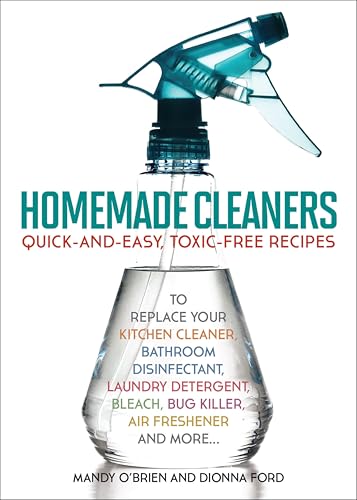
Anyone interested in creating safe, eco-friendly cleaning solutions will find Homemade Cleaners to be an invaluable resource. It offers straightforward, toxin-free recipes using everyday ingredients like vinegar, baking soda, and vodka, perfect for cleaning kitchens, bathrooms, laundry, and more. These natural solutions disinfect, deodorize, and polish without harmful chemicals, protecting your health and the environment. The guide also provides practical tips for reducing waste and enhancing air quality with plants. With this resource, I feel confident replacing store-bought cleaners with affordable, effective, and eco-conscious alternatives that keep my home clean and toxin-free.
Best For: individuals seeking safe, eco-friendly cleaning solutions that effectively disinfect and deodorize their home using simple, natural ingredients.
Pros:
- Non-toxic and safe for children and pets
- Cost-effective with common household ingredients
- Reduces environmental impact by minimizing chemical waste
Cons:
- May require more time or effort compared to commercial cleaners
- Some natural ingredients might have a shorter shelf life
- Effectiveness can vary depending on the specific cleaning needs
DIY Cleaning Products: Homemade Cleaning Recipes for Sustainable Living

DIY Cleaning Recipe Books are perfect for anyone looking to adopt a more sustainable and cost-effective approach to household cleaning. Making your own natural cleaning products saves money, cuts down on chemical exposure, and benefits your health and the environment. With simple ingredients like vinegar, baking soda, and essential oils, you can create effective solutions for every area of your home, from bathrooms to kitchens. These recipes are easy to customize and use common household tools, making DIY cleaning accessible and affordable. Plus, reducing reliance on store-bought cleaners helps lower your chemical footprint and landfill waste, supporting a greener lifestyle.
Best For: Individuals seeking affordable, eco-friendly cleaning solutions that are safe for health and the environment.
Pros:
- Cost-effective, saving money over store-bought products
- Uses natural ingredients, reducing chemical exposure
- Easy to customize for different cleaning needs
Cons:
- May require initial investment in essential oils and ingredients
- Some recipes may take longer to prepare than store-bought cleaners
- Effectiveness can vary depending on ingredient quality and proper use
DIY Household Hacks Book: Time, Energy & Money Saving Tips

This section of the DIY Cleaning Recipe Books is perfect for anyone looking to cut down on household chores while saving time, energy, and money. It offers practical hacks that streamline cleaning routines and reduce expenses. By making your own cleaning products with simple household items, you minimize effort and avoid costly store-bought cleaners filled with chemicals. The book provides area-specific tips for bathrooms, kitchens, living rooms, and bedrooms, helping you target messes efficiently. Plus, it includes DIY projects and gardening hacks to personalize your space and boost sustainability. All tips and recipes are tested, ensuring they deliver real results, making home maintenance easier, healthier, and more affordable.
Best For: homeowners and DIY enthusiasts seeking eco-friendly, cost-effective cleaning solutions to simplify household chores.
Pros:
- Saves money by using common household items for cleaning.
- Reduces exposure to harmful chemicals, promoting healthier living environments.
- Easy to implement with area-specific tips for efficient cleaning routines.
Cons:
- Some homemade recipes may require extra preparation time initially.
- Effectiveness can vary depending on the specific mess or surface.
- Not all store-bought cleaners are fully replaceable with homemade solutions for heavy-duty tasks.
The Organizing Recipe Book

If you’re looking for a straightforward way to organize your home without feeling overwhelmed, The Organizing Recipe Book offers the perfect solution. Presented like a cookbook, it provides 70 clear, step-by-step projects for every room, with supplies, time estimates, and practical instructions. From quick 20-minute fixes to larger reorganizations, it helps create stylish, functional spaces—like compartmentalized drawers or color-coded closets—that are easy to maintain. The book also includes family-friendly solutions, such as playroom organization plans, promoting independence and reducing clutter. With these ideas, you can transform chaos into calm, making your home both beautiful and orderly.
Best For: homeowners and busy families seeking practical, stylish, and easy-to-follow organizing solutions for every room in their home.
Pros:
- Clear, step-by-step instructions with supply lists and time estimates make projects accessible.
- Offers a wide range of solutions from quick fixes to extensive reorganizations, suitable for different needs.
- Focuses on both functionality and aesthetic appeal to create calm, organized living spaces.
Cons:
- Some projects may require purchasing specific supplies that could add to the cost.
- Larger reorganizations might take more than the estimated time, requiring additional commitment.
- As a cookbook-style guide, it may lack in-depth organizational theory for those seeking detailed strategies.
Natural Cleaning Recipe Series: Homemade Cleaners Book
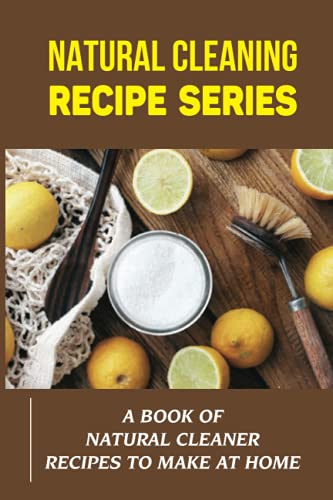
Anyone looking to create effective, eco-friendly cleaning solutions at home will find “Natural Cleaning Recipe Series: Homemade Cleaners Book” especially helpful. This book offers simple, effective recipes using common ingredients, making it easy to craft your own natural cleaners. While the current edition includes a few versatile solutions focused on general cleaning, it emphasizes benefits like odor removal, cost savings, and safer alternatives to harsh chemicals. The straightforward methods make DIY cleaning accessible for everyone, encouraging a healthier, greener lifestyle. Although the content is limited now, it provides a solid foundation, with more recipes promised in future editions.
Best For: individuals seeking affordable, eco-friendly, and effective homemade cleaning solutions to improve their household environment.
Pros:
- Easy to make with common, readily available ingredients
- Promotes a healthier, chemical-free living space
- Cost-effective and environmentally sustainable
Cons:
- Limited recipes available in the current edition
- May require some trial and error to perfect certain solutions
- Not tailored for specialized cleaning tasks or heavy-duty stains
Factors to Consider When Choosing DIY Cleaning Recipe Books
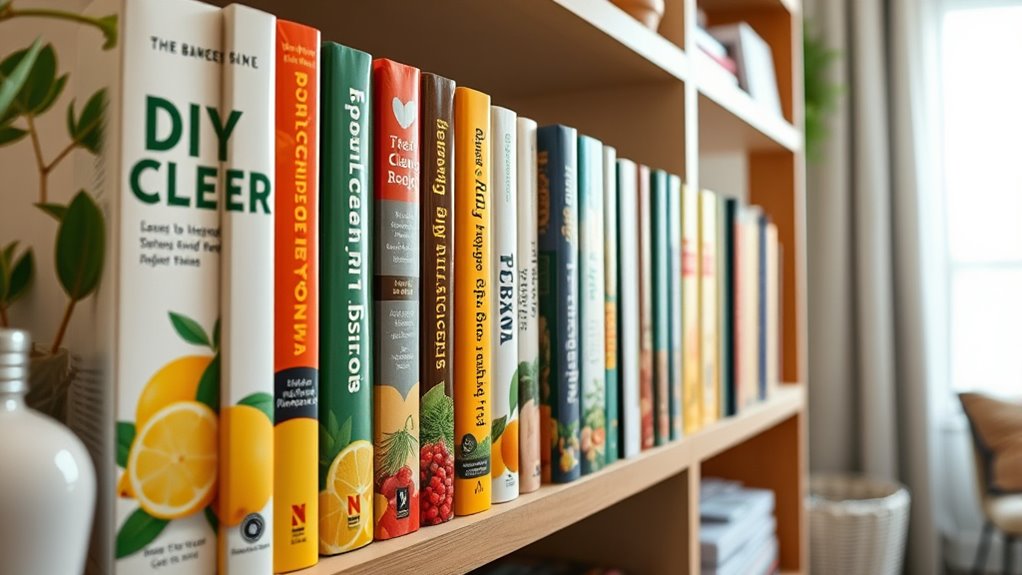
When choosing a DIY cleaning recipe book, I look at how easy it is to find the ingredients and follow the recipes. I also consider how eco-friendly and cost-effective the options are, along with how versatile and broad their range is. These factors help me pick a book that fits my needs and makes cleaning simpler and greener.
Ingredient Accessibility
Choosing a DIY cleaning recipe book with accessible ingredients is essential for practical and cost-effective cleaning solutions. I look for books that use common household items like vinegar, baking soda, lemon, and salt, so I can easily find what I need without extra trips. It’s helpful when the book offers substitutes for hard-to-find ingredients, giving me flexibility based on what’s available locally. I also prefer recipes that rely on pantry staples instead of specialized or expensive products, which keeps costs down. Safety is important, too—I favor books that recommend non-toxic ingredients that are easy to find at natural food stores or supermarkets. Minimal ingredients make sourcing simple, saving me time and money while making cleaning more straightforward.
Recipe Simplicity
Simple DIY cleaning recipes are ideal because they use only a few common ingredients, making them easy to understand and follow. When recipes are straightforward, I spend less time figuring out complicated steps or gathering obscure supplies. Clear instructions with fewer steps help me prepare solutions quickly, which is perfect for busy schedules. Recipes with simple language and visual aids, like photos or diagrams, boost my confidence and reduce mistakes. I appreciate books that focus on quick, minimally measured recipes using ingredients I already have at home. This simplicity keeps the process enjoyable and stress-free while still delivering effective cleaning results. Ultimately, choosing recipes that prioritize ease and clarity makes my home cleaning routine more efficient and less intimidating.
Environmental Impact
Considering the environmental impact of DIY cleaning recipes is essential because the choices I make can considerably affect our planet. I look for books that emphasize natural ingredients, which helps reduce chemical runoff and pollution, protecting overall environmental health. Reusable, biodegradable packaging options are also important, as they minimize plastic waste and support sustainable living. Recipes that avoid synthetic preservatives and toxic substances lessen environmental contamination during disposal. I also prioritize guides that promote eco-friendly sourcing of ingredients, encouraging responsible harvesting and reducing ecological harm. Additionally, energy-efficient preparation and storage methods can lower the carbon footprint associated with making and using homemade cleaners. By choosing recipes and books that focus on these factors, I can clean effectively while minimizing my environmental impact.
Cost Effectiveness
When selecting a DIY cleaning recipe book, I focus on how cost-effective it is to guarantee I get the best value for my money. I look for books that include detailed measurements and ingredient lists to help me purchase exactly what I need, avoiding waste. Books that emphasize common household ingredients like vinegar and baking soda are especially appealing because they eliminate the need for expensive, specialized products. I also consider resources that compare costs, showing how much I can save per cleaning session—often reducing expenses by 50% or more. Investing in thorough guides with multiple recipes makes sense long-term, as they lessen my reliance on costly commercial cleaners, providing ongoing savings and better overall value.
Versatility and Range
Choosing a DIY cleaning recipe book isn’t just about saving money; it’s also about how well it can meet all my household cleaning needs. A versatile book covers a wide range of recipes for different surfaces and areas, like kitchens, bathrooms, floors, and upholstery. It should include solutions for disinfecting, deodorizing, stain removal, and polishing, so I can tackle various challenges with one resource. I look for books that incorporate natural ingredients like vinegar, baking soda, essential oils, and herbs, offering options for different sensitivities and preferences. An ideal book also provides recipes for both everyday tasks and specialized projects, such as mold removal or pet stain treatment. This breadth ensures I have everything I need without constantly switching sources.
Frequently Asked Questions
Are DIY Cleaning Recipes Effective Against All Household Stains and Germs?
DIY cleaning recipes can be surprisingly effective for many household stains and germs, but they might not work for everything. I’ve found that natural ingredients like vinegar, baking soda, and lemon tackle common stains and bacteria well. However, for tough or persistent germs, especially in bathrooms or kitchens, I recommend using commercial disinfectants. Always test recipes first and know their limits to keep your home safe and sparkling.
How Safe Are Homemade Cleaning Products for Children and Pets?
Think of homemade cleaning products as gentle guardians rather than fierce warriors. I find they’re generally safe for children and pets when I stick to simple, non-toxic ingredients like vinegar, baking soda, and lemon. I always avoid harsh chemicals, ensuring my little ones and furry friends stay protected. With careful selection and proper storage, I trust my DIY cleaners to be both effective and safe, creating a healthier home environment.
Can These Recipes Be Customized for Allergy Sensitivities?
Absolutely, you can customize DIY cleaning recipes for allergy sensitivities. I often substitute ingredients like essential oils, which can trigger allergies, with milder options like coconut or vanilla extracts. I also avoid common allergens such as artificial fragrances or harsh chemicals. Experimenting with gentle, hypoallergenic ingredients helps me create effective, personalized cleaning solutions that are safe for everyone in my home.
What Are the Cost Savings Compared to Store-Bought Cleaners?
Switching to DIY cleaning recipes can save you a lot compared to store-bought cleaners. I’ve found that making my own solutions costs just a few cents per batch, whereas commercial cleaners often run several dollars for the same amount. Plus, I avoid paying for unnecessary packaging and chemicals. Over time, these savings really add up, making my cleaning routine more budget-friendly and eco-conscious.
How Long Do Homemade Cleaning Solutions Typically Last?
Homemade cleaning solutions typically last from a week to a month, depending on ingredients and storage. I find that vinegar-based mixes stay good for about a month, while diluted solutions with natural preservatives last around two weeks. To keep them fresh, I store them in airtight containers and label them with dates. Regularly checking for changes in smell or appearance helps me guarantee they’re still effective and safe to use.
Conclusion
Think of these DIY cleaning books as your treasure map, guiding you through the vast sea of homemade solutions. Each recipe is a shining gem, helping you navigate toward a cleaner, greener home. With these guides, you become the captain of your own ship, steering clear of harsh chemicals and finding joy in natural, effective cleaning. So grab your map, set sail, and transform your home into a sparkling sanctuary—your adventure awaits!