To prevent fogger clogs, always empty the tank and rinse it with clean water after each use, ensuring no residual chemicals remain. Check and clean nozzles and spray parts regularly to remove buildup, and store the equipment in a dry, cool place, upright and protected from sunlight. Disconnect batteries or power sources to avoid corrosion, and follow manufacturer guidelines for maintenance. Keep accessories organized and at hand—if you want to master these tips, there’s more to discover below.
Key Takeaways
- Empty and rinse the fogger tank thoroughly after each use to prevent chemical buildup.
- Regularly clean and inspect nozzles and spray mechanisms to avoid blockages.
- Store in a dry, cool, and ventilated area, ensuring all components are completely dry before storage.
- Use recommended cleaning agents and follow manufacturer guidelines for maintenance and storage.
- Organize accessories and replace worn parts promptly to maintain optimal fogger performance.

Foggers are effective tools for pest control and disinfecting, but if you don’t clean and store them properly, they can clog and malfunction the next time you need them. Regular maintenance tips are essential to keep your fogger working smoothly and prevent costly repairs or replacements. After each use, empty the fogger’s tank completely and rinse it with clean water to remove residual chemicals. Pay close attention to the nozzle and spray mechanism, ensuring there are no obstructions or buildup that could cause clogging. It’s a good idea to run clean water through the system briefly to flush out any remaining particles. If your fogger uses a filter, check and clean it regularly according to the manufacturer’s instructions. Proper maintenance not only extends the life of your fogger but also guarantees peak performance when you need it most. Additionally, inspecting the device for any signs of wear or damage can help you catch issues early before they lead to clogs or failures. Regular equipment inspection can help identify potential problems before they cause significant malfunctions. Ensuring your fogger is well-maintained can also prevent unnecessary clogs and failures.
When it comes to storage solutions, you want to keep your fogger in a place that’s dry, cool, and protected from extreme temperatures. Moisture can cause corrosion or mold growth inside the device, so avoid storing it in damp areas like basements or sheds. Instead, choose a well-ventilated closet or a dedicated storage cabinet. Before storing, ensure the fogger is completely dry, especially if you plan to leave it unused for a long period. Consider removing batteries or disconnecting power sources if applicable, to prevent corrosion or accidental activation. Store the fogger upright to avoid leaks, and keep it away from direct sunlight or heat sources that could degrade its components. Using storage solutions like a plastic bin or a dedicated toolbox with compartments can help organize your accessories, such as nozzles, hoses, and chemical containers, making sure everything stays together and in good condition. Recognizing signs of wear or damage early can help prevent bigger issues later on. Furthermore, understanding the importance of proper storage can help maintain the fogger’s functionality over time. Proper storage practices also contribute to the overall longevity of your equipment.
In addition to regular cleaning and proper storage, it’s wise to read the manufacturer’s guidelines for your specific fogger model. Following these instructions ensures you’re using the right cleaning agents and storage methods, reducing the risk of damage. Developing a routine for maintenance tips, like inspecting parts periodically and replacing worn components, keeps your fogger in top shape. And when you’re not using it, always double-check that it’s thoroughly cleaned and stored correctly. This way, you won’t find yourself struggling with clogs or malfunctioning equipment when you need to use your fogger again. Staying proactive with these simple steps saves you time, money, and frustration in the long run. Proper equipment maintenance and storage are key to ensuring your fogger remains reliable and effective for future use.
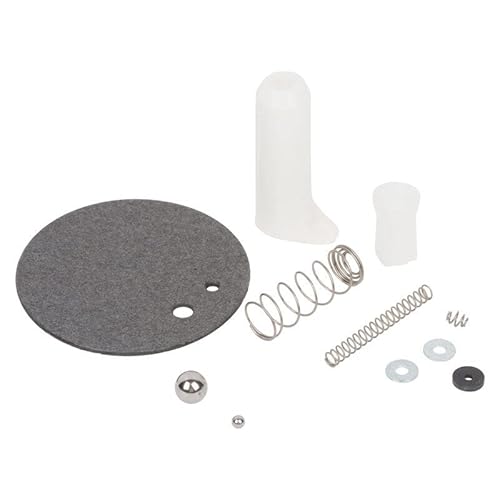
Hot Fogger Service Kit 161436
- Includes step-by-step instructions: Detailed assembly and usage guide
As an affiliate, we earn on qualifying purchases.
As an affiliate, we earn on qualifying purchases.
Frequently Asked Questions
How Often Should I Clean My Fogger?
You should clean your fogger after every use to maintain proper fogger upkeep and prevent clogs. Regular cleaning guarantees the device stays in good condition and functions properly. If you use your fogger frequently, consider a thorough cleaning every few uses. Always follow the manufacturer’s cleaning frequency recommendations, and promptly clear any residue or buildup after each session to keep your fogger working smoothly and extend its lifespan.
Can I Use Any Cleaning Solution for Foggers?
You can’t just use any cleaning solution for foggers—they’re picky, like that one friend who only drinks craft beer. Stick to manufacturer-recommended solutions to avoid damage. Regular cleaning frequency depends on usage, but always clean after each use to prevent clogs. Storage tips include emptying the fogger completely and storing it in a dry, cool place. This keeps your fogger happy, healthy, and ready for the next fog-filled adventure.
What Are Signs My Fogger Is Clogged?
You’ll notice your fogger isn’t working properly if it sprays unevenly, produces weak mist, or stops working altogether—clear signs of a clog. Regular fogger maintenance helps prevent these issues. To guarantee clog prevention, check for blockages in the nozzle or filter, and clean them regularly. If you see these signs, address the clog promptly to keep your fogger functioning smoothly and extend its lifespan.
Are There Specific Storage Conditions to Prevent Clogging?
Did you know that improper storage causes 60% of fogger clogs? To prevent this, keep your fogger in a cool, dry place with controlled temperature and low humidity. Avoid storing it in areas prone to temperature fluctuations or moisture buildup. Proper storage conditions guarantee the internal components stay dry and functional, reducing clogging risks. Maintain consistent temperature and humidity levels to keep your fogger ready for effective use whenever needed.
Can I Repair a Clogged Fogger Myself?
Yes, you can try a DIY repair for a clogged fogger. Start by troubleshooting the nozzle and removing any debris or buildup. Use warm water or a vinegar solution to clear blockages. If you’re comfortable, disassemble parts carefully and clean them with a brush. Follow troubleshooting tips to identify issues, but if problems persist, consider consulting the manufacturer or a professional. Safety first—wear gloves and protect your eyes.
Conclusion
By giving your fogger a gentle farewell after each use, you’re ensuring it stays in tip-top shape for future adventures. A little tender loving care prevents unwanted hiccups down the line, allowing your device to perform like a trusted partner. With proper cleaning and storage, you’ll keep the magic flowing smoothly and avoid any pesky surprises. Treat your fogger kindly, and it’ll be ready to serve you beautifully whenever you need it next.