
Many teams skip thorough cleaning in their trash rooms, risking bacteria buildup, pests, and foul odors. You might focus on just emptying bins or quick tidying, but neglecting regular deep cleaning allows grime and germs to thrive. Proper sanitation includes disinfecting surfaces, managing odors, and ensuring good ventilation—steps often overlooked. If you want to keep your trash room safe, hygienic, and odor-free, there’s more to the essential cleaning process that you should know.

Get cleaning gear delivered free with Prime
- Fast, free delivery on millions of items
- Prime Video, Amazon Music and more included
- Member-only deals all year
Key Takeaways
- Many teams neglect routine cleaning and disinfecting of trash receptacles, leading to odor and pest issues.
- Inconsistent waste separation and recycling protocols increase contamination and foul smells.
- Lack of proper ventilation and odor control measures allow odors to permeate common areas.
- Insufficient staff training on sanitation procedures results in overlooked cleaning steps.
- Regular maintenance of cleaning equipment and schedules is often skipped, compromising hygiene standards.
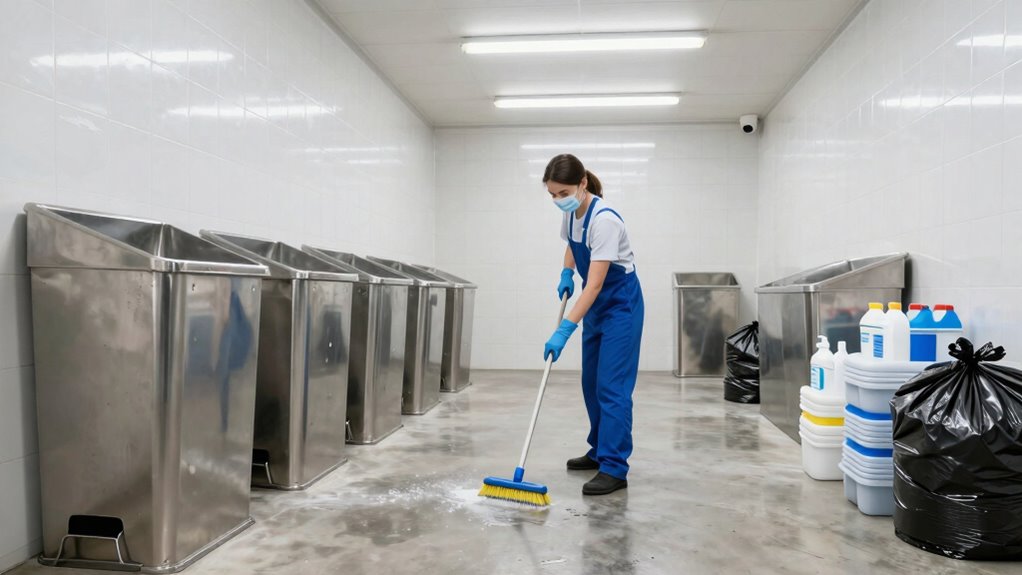
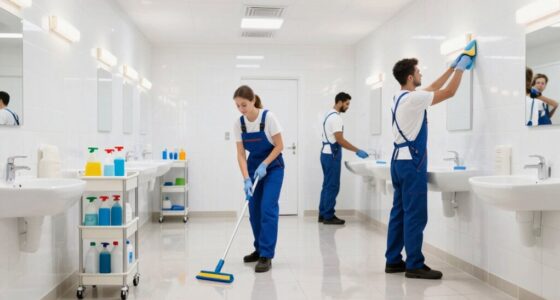
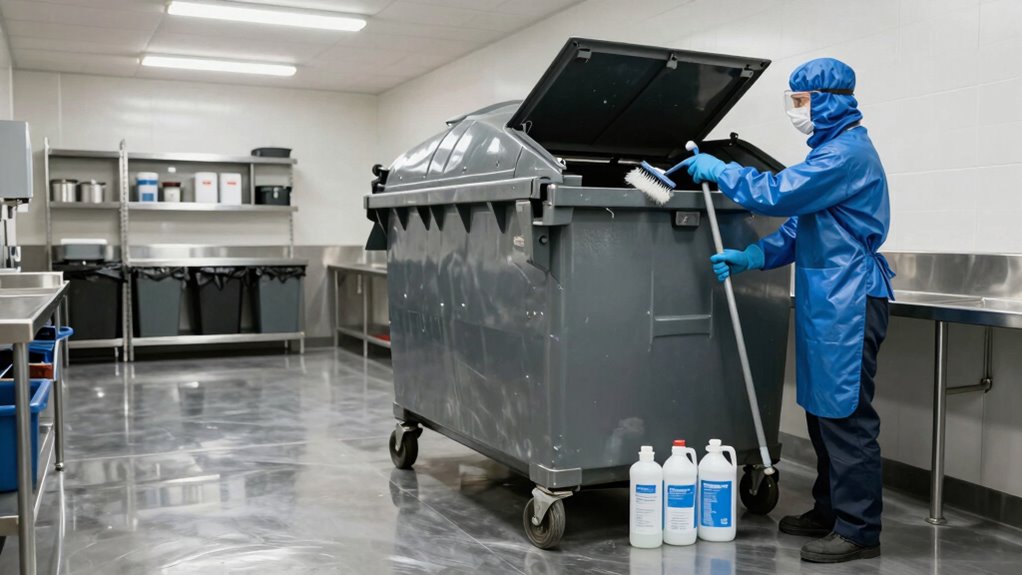
Maintaining a clean and sanitary trash room is vital for any commercial property, as it directly impacts hygiene, safety, and overall building appearance. A cluttered, dirty space can become a breeding ground for bacteria and pests, making it a health hazard for everyone who enters. Many teams overlook this important area, believing that quick emptying and basic tidying are enough. However, neglecting proper cleaning can lead to foul odors, pest infestations, and violations of health codes. To truly keep your trash room safe and inviting, you need to implement a consistent cleaning routine that emphasizes hygiene and efficiency.
A clean trash room is essential for safety, hygiene, and maintaining a professional building appearance.
One key aspect often overlooked is establishing and adhering to effective recycling protocols. Proper separation of recyclables from trash not only reduces waste volume but also minimizes odors and mess. When recyclable materials are neglected or improperly stored, they can decompose and cause unpleasant smells that spread throughout the building. Regularly training staff on recycling procedures ensures that materials are sorted correctly, reducing contamination and making the cleaning process smoother. Clear signage and designated bins help reinforce these protocols, making compliance easier and more consistent. Additionally, understanding the importance of waste management can lead to more sustainable and efficient disposal practices. Incorporating sustainable practices into your waste management strategy can further enhance environmental benefits and community responsibility. Implementing these strategies can also help prevent regulatory violations related to improper waste disposal.
Odor control is another vital element of trash room maintenance. Without proper measures, unpleasant smells can permeate hallways and common areas, creating discomfort for tenants and visitors. You should consider installing venting systems or air purification devices designed for trash rooms. Routine cleaning of trash receptacles with disinfectants minimizes residue buildup that causes odors. Using odor-neutralizing products or deodorizers can also help keep the space smelling clean. The key is consistency—frequent cleaning prevents odors from becoming embedded and difficult to eliminate. Additionally, ensuring proper ventilation systems are in place helps circulate air and reduces lingering smells. Implementing proper cleaning schedules ensures these practices are maintained over time, preventing the buildup of odors and debris. Regular monitoring and maintenance of ventilation can further improve air quality and odor control.
commercial trash room disinfectant
As an affiliate, we earn on qualifying purchases.
As an affiliate, we earn on qualifying purchases.
Frequently Asked Questions
How Often Should a Commercial Trash Room Be Cleaned?
You should clean your commercial trash room at least once a week, but the cleaning frequency depends on your trash bin materials and how much waste you generate. Regular cleaning prevents odors and pest problems. For bins made of plastic, metal, or other materials, make certain you thoroughly disinfect and sanitize to maintain hygiene. Adjust cleaning frequency based on the volume of waste and contamination levels to keep the space safe and odor-free.
What Cleaning Products Are Safest for Trash Room Sanitation?
You should use eco-friendly disinfectants and non-toxic cleaning agents for trash room sanitation. These products effectively eliminate germs while ensuring safety for your team and the environment. Look for labels that specify they’re biodegradable and free from harsh chemicals like chlorine or ammonia. Regularly switching to these safer options helps maintain a clean, healthy space without risking exposure to toxic substances, promoting a safer workspace for everyone involved.
Are There Any Legal Regulations for Trash Room Cleanliness?
Yes, you need to follow legal regulations for trash room cleanliness, which often include waste segregation and pest control measures. These rules ensure proper disposal of waste, prevent pest infestations, and maintain hygiene standards. You’re responsible for complying with local health codes and environmental laws, which may involve regular inspections, using approved cleaning products, and implementing pest control strategies to keep the trash room safe and sanitary.
How Can Odor Be Effectively Controlled in Trash Rooms?
Odor control in trash rooms isn’t just about masking smells; it’s about active elimination. You can achieve this with effective air filtration systems that continuously purify the air, and odor neutralizers that chemically break down smell molecules. Combining these strategies guarantees a fresher environment, preventing foul odors from lingering. Regular maintenance of filtration units and timely application of neutralizers keep the space smelling clean and inviting, even in the busiest times.
What Are the Common Health Risks From Dirty Trash Rooms?
You face health risks from dirty trash rooms, like pest attraction and poor air quality. Pests such as rodents and insects thrive in unclean environments, spreading diseases. Additionally, foul odors and airborne bacteria can compromise indoor air quality, causing respiratory issues or allergies. Regular and thorough cleaning reduces these hazards, protecting your health and ensuring a safer, more hygienic space. Neglecting cleaning only heightens these serious risks.
Conclusion
Neglecting trash room cleaning is like leaving a shadow in your building’s story—hidden but ever-present, quietly eroding trust. When you prioritize hygiene, you’re shining a light into that shadow, revealing a space that’s safe and welcoming. Think of your trash room as the foundation of your building’s health; when it’s clean, everything above stands taller. Don’t let overlooked corners become the dark spots; clean them, and let your commitment to hygiene be the guiding star.
Columbus Day / Indigenous Peoples' Day Picks
long weekend sales
As an affiliate, we earn on qualifying purchases.