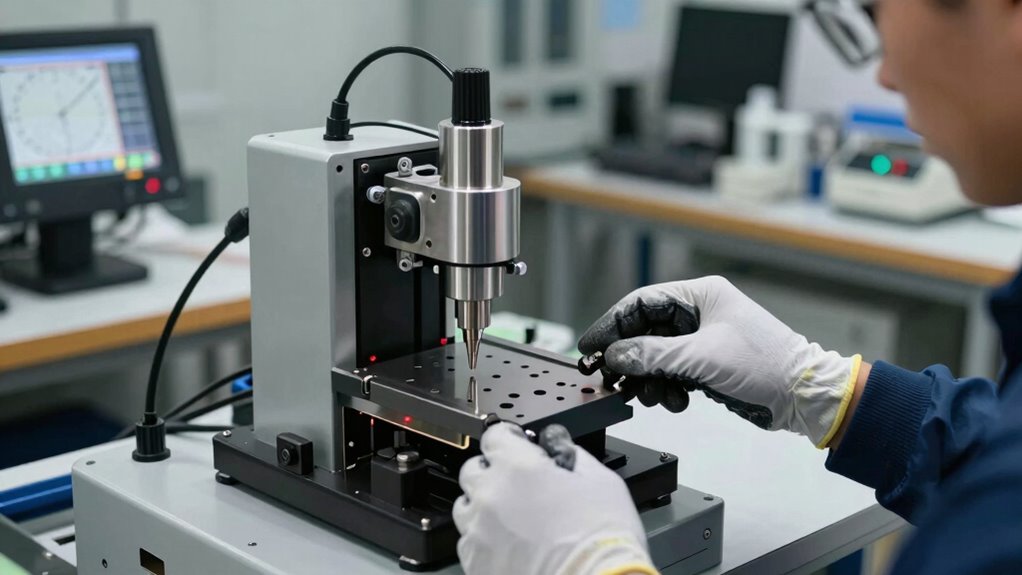
Specialty equipment can help you achieve better accuracy, consistency, and tighter tolerances, making your work look more professional. It allows you to target specific issues standard tools might miss and incorporate the latest technology for improved control. However, no equipment guarantees perfection because human skill and judgment still matter, and variables like material inconsistencies can affect results. If you keep exploring, you’ll discover how combining tools and craftsmanship leads to even better outcomes.
Key Takeaways
- Specialty equipment enhances precision and consistency but relies on skilled operation and judgment to achieve optimal results.
- It targets specific issues standard tools may overlook, improving quality but not eliminating all errors.
- Continuous learning and proper training are essential to maximize equipment benefits and adapt to technological advancements.
- Equipment limitations and material variables mean perfection cannot be guaranteed, only improved outcomes.
- Combining advanced tools with craftsmanship and experience ensures better results, even if perfection remains unattainable.
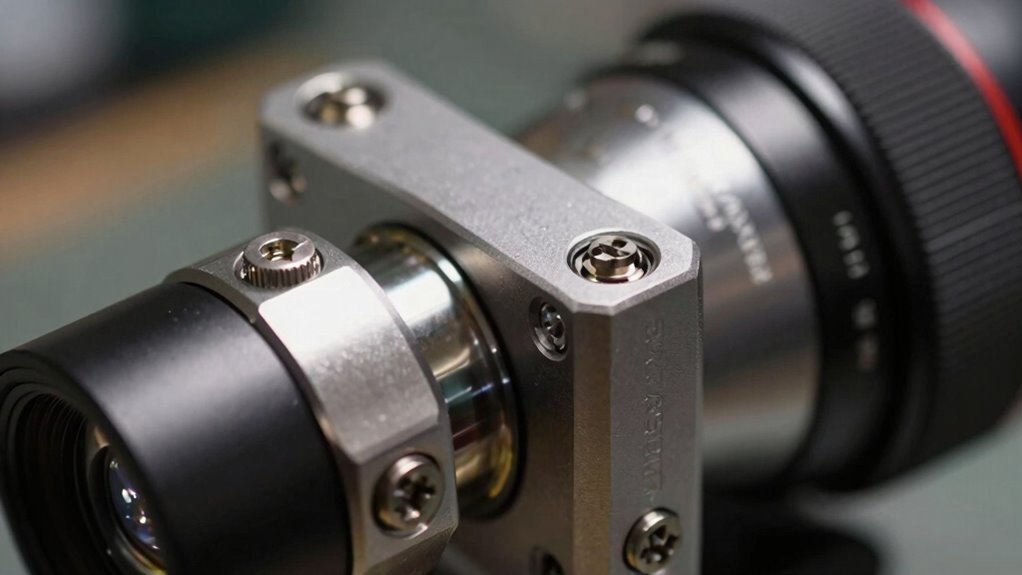
Have you ever wondered how professionals achieve such precise and high-quality results? The secret often lies in the use of specialty equipment designed to elevate the quality of their work. These tools aren’t just about making tasks easier; they’re about enhancing accuracy, consistency, and efficiency. When you incorporate innovative tools and advanced techniques into your process, you open the door to better outcomes. However, it’s important to remember that no equipment guarantees perfection. Even the most sophisticated tools can’t eliminate all errors or unforeseen challenges, but they certainly give you a considerable advantage.
Using specialty equipment allows you to target specific issues that standard tools might overlook. For example, precision instruments can help you achieve tighter tolerances, cleaner finishes, or more consistent results. These tools are often customized or specially designed for particular tasks, giving you the ability to refine your work in ways that general equipment cannot. When you employ innovative tools, you’re applying the latest advancements in technology to your craft, enabling you to push beyond traditional limits. Advanced techniques, combined with these tools, promote better control and finesse, which ultimately leads to higher-quality results.
Specialty tools enable precise, consistent results by refining your craft beyond standard methods and embracing innovative technology.
But it’s essential to approach specialty equipment with realistic expectations. While these tools markedly improve your chances of success, they don’t eliminate all risks. Human skill, planning, and judgment still play critical roles. You might find that even with the best equipment, variables like material inconsistencies or environmental factors can influence results. Consequently, it’s essential to understand the capabilities and limitations of your tools. Training and experience help you maximize their potential, but they don’t make mistakes impossible. Recognizing this balance is key; it keeps you focused on continuous improvement rather than relying solely on technology.
Moreover, incorporating specialty equipment often requires investment—not just financially, but in time to learn and master new techniques. This commitment can pay off through more efficient workflows and superior results. As you become more familiar with advanced techniques, you’ll develop a keener eye for detail and better troubleshooting skills. This combination of innovative tools and your growing expertise can lead to noticeable improvements in your work quality, even if perfection remains elusive. Exploring specialized tools and understanding their role can help you better appreciate how they contribute to achieving higher standards. Additionally, staying updated with emerging technologies can keep you ahead in your craft. Recognizing the importance of ongoing training is crucial for maintaining a competitive edge and adapting to new innovations.
In addition, understanding the role of technology in your craft can help you make more informed decisions about when and how to use specialty equipment effectively. In the end, specialty equipment enhances what you do, but it’s your skill and understanding that truly make the difference. Embracing these tools and techniques can elevate your results, helping you achieve a higher standard of quality. Just remember, even the best equipment is no substitute for careful craftsmanship and a commitment to continuous learning. Recognizing the importance of specialty equipment in achieving high-quality outcomes reinforces that technology is a valuable aid, but not a guarantee of perfection.
precision measuring tools for craftsmanship
As an affiliate, we earn on qualifying purchases.
As an affiliate, we earn on qualifying purchases.
Frequently Asked Questions
How Do I Choose the Right Specialty Equipment for My Needs?
To choose the right specialty equipment, start by evaluating your specific needs and the customization options available. Think about how the equipment can be tailored to your tasks for better results. Also, consider cost considerations—balancing quality and budget to find a solution that offers the best value. Research different brands, read reviews, and consult experts if needed. This approach ensures you select equipment that enhances your work effectively without overspending.
What Maintenance Is Required for Specialty Equipment?
Maintaining your specialty equipment is like tending a delicate garden—you need regular care. You should perform routine inspections to catch issues early and guarantee everything functions smoothly. Equipment calibration is vital to keep measurements accurate, preventing costly errors. Follow the manufacturer’s maintenance schedule and keep records. Proper upkeep not only extends your equipment’s lifespan but also assures peak results, ensuring your efforts don’t go to waste.
Can Specialty Equipment Be Used Alongside Standard Tools?
Yes, you can use specialty equipment alongside standard tools, as long as you consider equipment compatibility and tool integration. Check that the specialty equipment is designed to work with your existing tools to avoid issues. Properly integrating these tools ensures smoother operation and better results. Always follow manufacturer instructions to maximize efficiency and safety, and consult with experts if you’re unsure about compatibility.
Are There Safety Concerns With Using Advanced Equipment?
Imagine wielding a lightsaber without safety protocols—sounds risky, right? Yes, there are safety concerns with advanced equipment. You need to follow strict safety protocols and conduct thorough risk assessments to avoid mishaps. Ignoring these steps can turn your precision tool into a danger zone. Always prioritize safety, keep training up-to-date, and respect the power of advanced tools to guarantee your work remains efficient and hazard-free.
How Quickly Can I See Results Using Specialty Equipment?
You can often see results within a few sessions, depending on the treatment and your goals. Specialty equipment boosts efficiency improvements, allowing you to notice changes faster than traditional methods. Keep in mind, cost considerations come into play, as advanced equipment may be more expensive upfront. However, the quicker results and improved outcomes can make it a worthwhile investment. Patience and consistency are key to achieving the best possible results.
Conclusion
By investing in specialty equipment, you elevate your results, enhance your precision, and empower your skills. You don’t just improve outcomes—you transform your approach, expand your possibilities, and set new standards for success. Remember, it’s not about guaranteeing perfection but about aiming for excellence, pushing boundaries, and embracing innovation. With the right tools, you don’t settle for good enough—you aim higher, work smarter, and achieve more. That’s how specialty equipment makes a difference.