
Electrostatic spraying can quickly and evenly cover complex surfaces, ensuring broad disinfection. It’s effective for reaching hard-to-access areas and reduces missed spots compared to traditional methods. However, it can’t guarantee sterilization or remove organic matter like dirt and grime that can shield germs. Proper surface prep, contact time, and maintenance are essential for reliable results. If you want to understand what it truly promises and what it doesn’t, there’s more to contemplate below.

Get cleaning gear delivered free — and shop member deals
- Fast, free delivery on millions of items
- Access to Prime Big Deal Days deals on October 6–7
- Prime Video, Amazon Music and more included
Key Takeaways
- Electrostatic spraying provides rapid, uniform coverage but does not guarantee complete sterilization or pathogen elimination.
- It enhances surface coverage but requires proper cleaning beforehand for maximum effectiveness.
- Safety and equipment maintenance are essential; the technology alone does not ensure safe application.
- It cannot reach every crevice or complex surface without proper surface preparation and multiple passes.
- Relying solely on electrostatic spraying may create a false sense of security; thorough cleaning and contact time are still necessary.
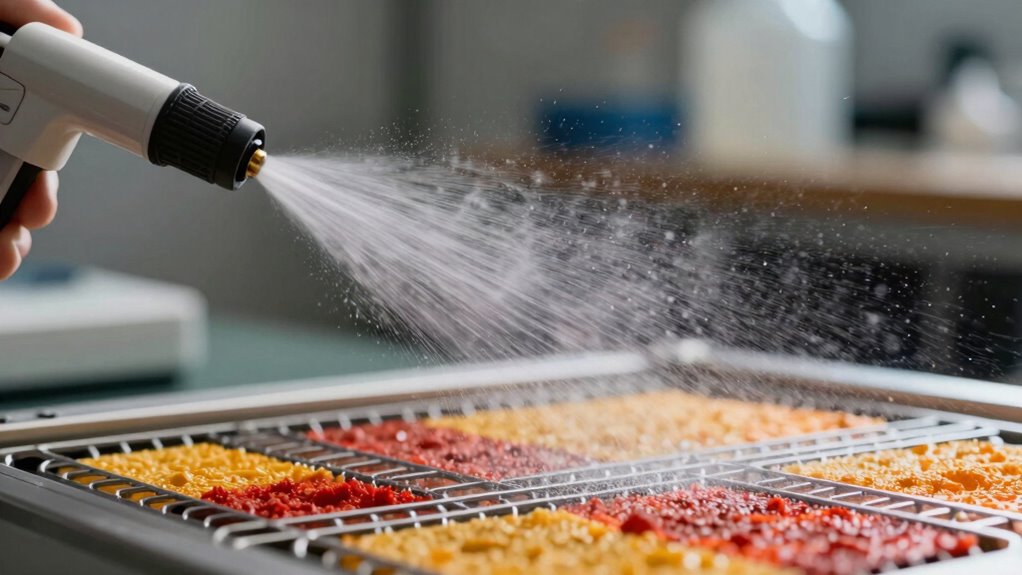
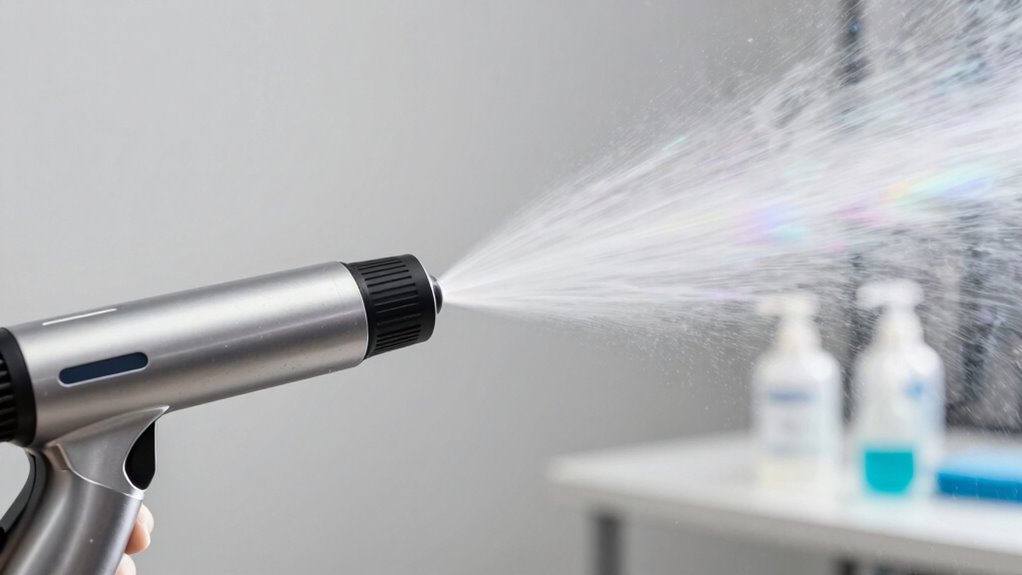
Electrostatic spraying has gained popularity as a method to disinfect and coat surfaces more efficiently, but it’s important to understand what it can and can’t deliver. When you consider using electrostatic technology, you’re likely attracted to its promise of thorough surface coverage. The process works by charging droplets so they cling to surfaces uniformly, even those with complex shapes or hard-to-reach areas. This means you can expect a more consistent and complete application, reducing the chances of missed spots compared to traditional spraying methods. However, it’s imperative to recognize that surface coverage isn’t guaranteed to be perfect in every situation. Factors like surface material, angles, and obstacles can affect how well the spray adheres and disperses. Hence, while electrostatic spraying improves coverage, it doesn’t eliminate the need for proper surface preparation or multiple passes for full effectiveness.
You might assume that using electrostatic spraying automatically makes your environment safer, but safety protocols are just as essential as the equipment itself. Proper training and adherence to safety procedures ensure that the disinfectants are applied safely and effectively. This includes wearing appropriate personal protective equipment, following manufacturer instructions, and ensuring adequate ventilation during and after application. Without strict safety protocols, there’s a risk of over-application, exposure, or unintended contamination. Remember, the technology enhances safety by reducing aerosol drift and waste, but it doesn’t replace the responsibility of adhering to safety guidelines designed to protect you and others. Additionally, understanding the disinfectant’s formulation is crucial for achieving the desired results and maintaining safety standards. It’s also important to recognize that equipment calibration can influence the consistency and safety of the application. Proper application techniques are vital to ensure the disinfectant reaches all targeted surfaces effectively, especially in complex environments.
Another point to keep in mind is that electrostatic spraying is not a magic solution for all sanitation concerns. It’s excellent for quick, broad coverage, but it doesn’t guarantee sterilization or the elimination of all pathogens. Proper cleaning beforehand remains indispensable because organic matter or dirt can shield microbes from disinfectants. Additionally, the effectiveness depends on the disinfectant’s contact time and proper formulation. Relying solely on electrostatic spraying without following recommended protocols might give a false sense of security. It’s also worth noting that the equipment’s performance can vary based on maintenance and calibration, so regular checks are necessary to keep it operating at peak efficiency. proper application techniques play a vital role in ensuring the effectiveness of each disinfection session and should always be prioritized. Moreover, understanding the importance of equipment maintenance can significantly influence the overall disinfection outcomes and longevity of the sprayers.
electrostatic disinfectant sprayer
As an affiliate, we earn on qualifying purchases.
As an affiliate, we earn on qualifying purchases.
Frequently Asked Questions
How Long Does Electrostatic Spraying Protection Last After Application?
Electrostatic spraying typically provides protection for up to 30 days, but this can vary depending on environmental impact factors like humidity and surface type. You should consider regulatory standards, which might recommend reapplication intervals for safety and effectiveness. To guarantee maximum protection, it is crucial to follow manufacturer guidelines and environmental conditions closely, as these influence how long the sprayed area remains protected after application.
Is Electrostatic Spraying Safe for All Types of Surfaces?
Electrostatic spraying is generally safe for most surfaces, but you should verify surface compatibility first. Some materials, like electronics or delicate fabrics, might be affected. Always consider material safety and test a small area before full application. While it’s effective on many surfaces, not all are equally compatible. Knowing the surface type helps guarantee safety and effectiveness, preventing potential damage and ensuring your environment stays protected.
Can Electrostatic Spraying Eliminate All Germs and Viruses?
Electrostatic spraying markedly reduces germs and viruses, but it doesn’t eliminate all, especially if surface compatibility isn’t perfect or if chemical residues remain. Some pathogens may survive on certain surfaces or in hard-to-reach areas. To maximize effectiveness, guarantee surfaces are compatible with the disinfectant used and thoroughly clean areas beforehand. While it’s a powerful tool, it’s best paired with other cleaning methods for complete protection.
What Are the Costs Associated With Electrostatic Spraying Services?
Electrostatic spraying costs vary based on size, surface complexity, and frequency of service, but generally, you’ll face initial setup fees and per-visit charges. Cost considerations include the type of disinfectant used and whether ongoing treatments are needed. While the upfront expense might seem high, the service offers longer-lasting protection, reducing the need for frequent treatments. This balance helps you evaluate value and plan your budget effectively.
How Often Should Electrostatic Spraying Be Performed for Optimal Protection?
Like clockwork, you should schedule electrostatic spraying every 2-4 weeks for top-tier protection, depending on surface compatibility and usage. You need to follow strict safety protocols to guarantee effectiveness and safety. High-touch areas may require more frequent treatments, while less exposed surfaces can be sprayed less often. Regular intervals keep your environment safe, mirroring the precision of a well-tuned orchestra, safeguarding everyone consistently.
Conclusion
Electrostatic spraying is a powerful tool in your cleaning arsenal, but it’s not a magic wand that guarantees perfection. Think of it as a finely tuned instrument—great for coverage, yet still needing careful handling and proper maintenance. While it promises efficient, even application, you must remember it can’t eliminate every germ or replace good hygiene practices. Use it wisely as part of your broader cleaning symphony, not the entire orchestra.
Fall Picks
fall essentials
As an affiliate, we earn on qualifying purchases.