
To tell if your office is truly clean, look beyond surface tidiness—clean floors and tidy desks don’t mean the air is safe. Hidden issues like mold, dust, and airborne pollutants can still circulate, affecting your health and focus. Regularly check your ventilation, change filters, and consider air purifiers. If you want to understand how these factors impact your well-being and workspace safety, there’s more to discover below.
Key Takeaways
- Visible cleanliness doesn’t guarantee good indoor air quality; unseen pollutants like dust and mold can still affect health.
- Regularly inspect and maintain HVAC systems and filters to ensure proper air circulation and reduce airborne contaminants.
- Use air purifiers and address humidity to prevent mold growth and improve overall air safety and quality.
- Poor ventilation can harm health even if surfaces appear spotless, increasing respiratory issues and allergies.
- A comprehensive cleaning approach combines surface tidiness with air quality management for a healthier, more productive workspace.

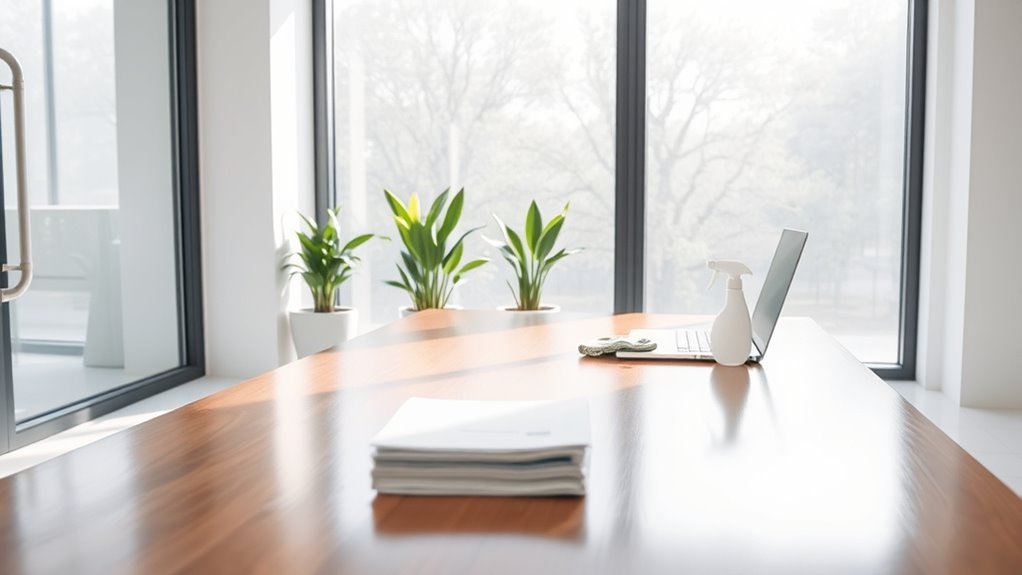
Have you ever stopped to wonder if your office is truly clean? It’s easy to assume that a quick tidy-up or regular vacuuming keeps things in check, but cleanliness involves more than just surface appearances. One key factor often overlooked is air quality. Poor air quality can hide behind the visible mess, subtly affecting your environment in ways you might not notice right away. Dust, mold, and airborne pollutants can circulate unnoticed, leading to stale, contaminated air. When your office air isn’t fresh, it can cause headaches, allergies, or respiratory issues among employees. Over time, this persistent exposure can diminish overall health, making your workspace less inviting and less safe.
You might think that if the office looks clean, the air quality is also good, but that isn’t always the case. Surfaces may appear spotless, but if ventilation isn’t ideal or if mold spores and dust aren’t being effectively removed, the indoor environment remains compromised. A clean office should incorporate proper air filtration and regular maintenance of HVAC systems. You should consider investing in air purifiers and ensuring that filters are changed frequently to improve air quality. Doing so isn’t just about health; it directly impacts employee productivity. When the air feels fresh and clean, your team can breathe easier, concentrate better, and perform tasks more efficiently. Conversely, poor air quality can lead to sluggishness, frequent breaks, or even absenteeism due to health complaints.
Maintaining a clean office isn’t just about aesthetics; it’s about creating a space that promotes well-being and productivity. Regular cleaning routines should go beyond wiping surfaces and vacuuming carpets. They need to address air quality concerns as well. This includes cleaning air ducts, removing mold, and controlling humidity levels, all of which contribute to a healthier environment. When your office environment supports good air quality, your employees are more engaged and less likely to be distracted by health issues. This, in turn, improves overall productivity, making your workplace more effective and efficient. Ensuring proper air filtration can significantly reduce airborne pollutants, creating a safer and more comfortable workspace.
In short, if you want to ensure your office isn’t just visually clean but also a healthy place to work, you need to look beyond the surface. Check the air quality and invest in proper ventilation and filtration systems. Your employees will thank you for it, and your business will benefit from increased productivity and fewer health-related disruptions. Remember, a truly clean office is a holistic effort that combines surface cleanliness with a focus on the air everyone breathes.

LEVOIT Air Purifiers for Bedroom Home Dorm, AHAM VERIFIED, 3-in-1 Filter Cleaner With Aroma Pad, Filters Smoke, Allergens, Pet Dander, Odor, Dust, Office, Desktop, Core Mini-P, White
𝗪𝗛𝗬 𝗖𝗛𝗢𝗢𝗦𝗘 𝗔𝗛𝗔𝗠 𝗩𝗘𝗥𝗜𝗙𝗜𝗗𝗘 𝗔𝗜𝗥 𝗣𝗨𝗥𝗜𝗙𝗜𝗘𝗥𝗦: AHAM (Association of Home Appliance Manufacturers) is an ANSI-accredited organization that sets…
As an affiliate, we earn on qualifying purchases.
As an affiliate, we earn on qualifying purchases.
Frequently Asked Questions
How Often Should Office Cleaning Be Scheduled for Optimal Health?
You should schedule office cleaning at least daily to maintain ideal health. Regular cleaning ensures good office hygiene by removing germs and dust, reducing illness spread. For high-touch areas like door handles and shared devices, more frequent cleanings—multiple times a day—are recommended. A consistent cleaning schedule not only keeps your workspace tidy but also promotes a healthier environment, boosting productivity and employee well-being.
What Cleaning Products Are Safest for Office Environments?
Imagine your office as a garden; the right cleaning products are the gentle rain that nurtures without harm. You should choose eco-friendly solutions and chemical-free options that clear away germs without introducing toxins. These safe products protect your team’s health and preserve the environment, ensuring your workspace stays vibrant and safe. Opt for natural, non-toxic cleaners to keep your office fresh and healthy, naturally.
How Can Employees Maintain Cleanliness Between Professional Cleanings?
You can maintain cleanliness between professional cleanings by practicing good personal hygiene, like washing your hands regularly and avoiding touching your face. Be mindful of waste disposal, ensuring trash is properly emptied and surfaces are kept tidy. Regularly wipe down shared equipment and desks with disinfectant. These small actions help prevent germs from spreading, creating a healthier environment for everyone and reducing the need for frequent deep cleans.
Are There Specific Areas in the Office Prone to More Germs?
You should pay special attention to high touch surfaces like doorknobs, light switches, and communal devices such as shared keyboards and phones, as these areas tend to harbor more germs. Regularly disinfect these spots and encourage your team to practice good hygiene. Focusing on these high-risk zones helps reduce the spread of bacteria and viruses, creating a healthier, safer office environment for everyone.
What Are the Signs Indicating a Deep Cleaning Is Needed?
Did you know that 80% of illnesses are spread through contact with contaminated surfaces? If you notice persistent odors, dust buildup, or increased allergy symptoms, it’s a sign your office needs a deep cleaning. Poor air quality and pest control issues also indicate neglect. These signs mean you should schedule a thorough cleaning to improve hygiene, reduce germs, and maintain a healthy workspace for everyone.
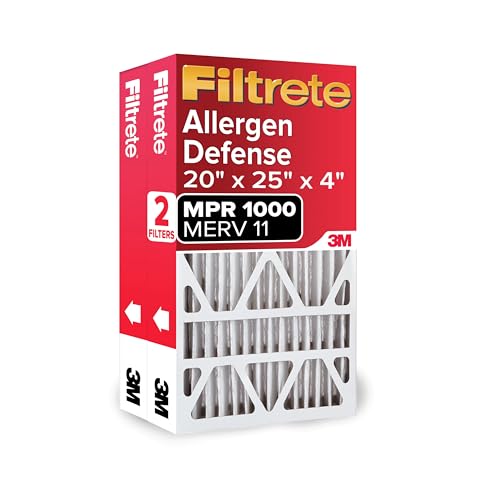
Filtrete 20x25x4 Air Filter MERV 11, MPR 1000 Micro Allergen Defense 2-Pack, Fits Honeywell & AprilAire, AC Furnace HVAC Filters for Home, Pleated Electrostatic (Actual Size 19.88 x 24.63 x 4.31 in)
DIFFERENT FROM NOMINAL SIZE: Slightly different from the nominal size, this air filter’s exact dimensions are 19.88 in…
As an affiliate, we earn on qualifying purchases.
As an affiliate, we earn on qualifying purchases.
Conclusion
Remember, a clean office isn’t just about appearances—it’s about your health. Regularly check high-touch surfaces and keep things tidy to prevent germs from spreading. Don’t wait until it’s too late; a clean space fosters productivity and well-being. As the saying goes, “A stitch in time saves nine.” Stay proactive, stay healthy, and guarantee your workspace truly supports your best work every day.
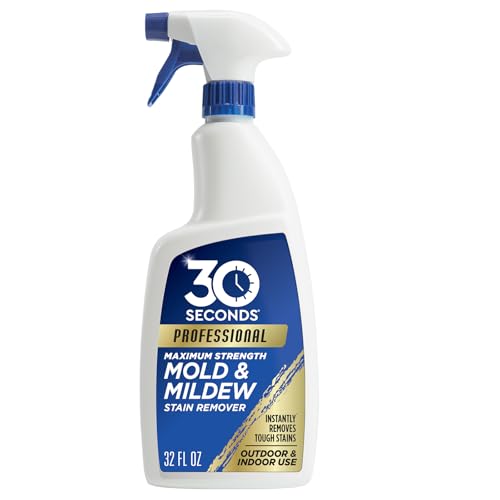
30 SECONDS Pro Mold and Mildew Stain Remover | Scrub Free | Brighter Results Instantly | Ready To Use | 32 Fl. Oz.
Use In Bathroom Tile and Grout, Bathtub, Soap Scum, Showers, Drywall, Wood, Fences, Decks, Vinyl Sidng, Concrete Floors,…
As an affiliate, we earn on qualifying purchases.
As an affiliate, we earn on qualifying purchases.

Holikme 30 Feet Dryer Vent Cleaner Kit, Flexible Lint Brush with Drill Attachment, Fireplace Chimney Brushes Extends Up to 30 Feet for Easy Cleaning, Use with or Without a Power Drill
Home Essentials: Fireplace chimney brushes includes two high quality synthetic brush head and flexible rods that extend up…
As an affiliate, we earn on qualifying purchases.
As an affiliate, we earn on qualifying purchases.