
Many homeowners overlook proper humidity control, leaving their homes vulnerable to mold growth and health issues. Whole-home systems actively monitor and adjust moisture levels, maintaining the ideal 40-50% range to prevent mold spores from thriving. Unlike portable units, these systems work seamlessly with your HVAC, enhancing energy efficiency and air quality. Staying ahead with effective humidity management is essential, and if you keep exploring, you’ll discover how to make this routine work for you.
Key Takeaways
- Proper humidity levels (40-50%) inhibit mold growth and spores, reducing health risks and property damage.
- Whole-home systems automatically monitor and adjust humidity for consistent mold prevention.
- Neglecting humidity control leads to hidden mold growth, worsening indoor air quality over time.
- Integrating humidity management with HVAC improves energy efficiency and maintains comfortable, mold-free environments.
- Regularly maintaining and using whole-home humidity solutions is essential for a mold-free, healthy home routine.
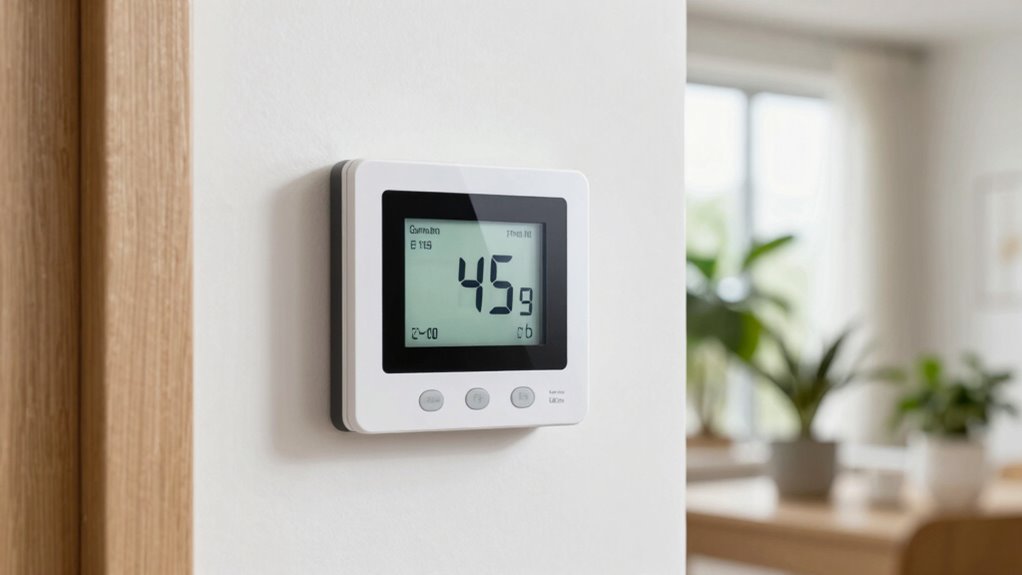
Maintaining proper humidity levels throughout your home is essential for comfort, health, and protecting your property. When humidity is too high or too low, it can negatively impact your air quality and energy efficiency, making your living environment less safe and more expensive to maintain. Proper whole-home humidity control helps you create a healthier, more comfortable space while also reducing energy costs. You might not realize it, but HVAC systems often ignore humidity levels, focusing mainly on temperature. This oversight can lead to excessive moisture or dryness, both of which cause problems like mold growth, dust mites, and dry skin. By actively managing humidity, you improve your indoor air quality, which directly affects your health and well-being.
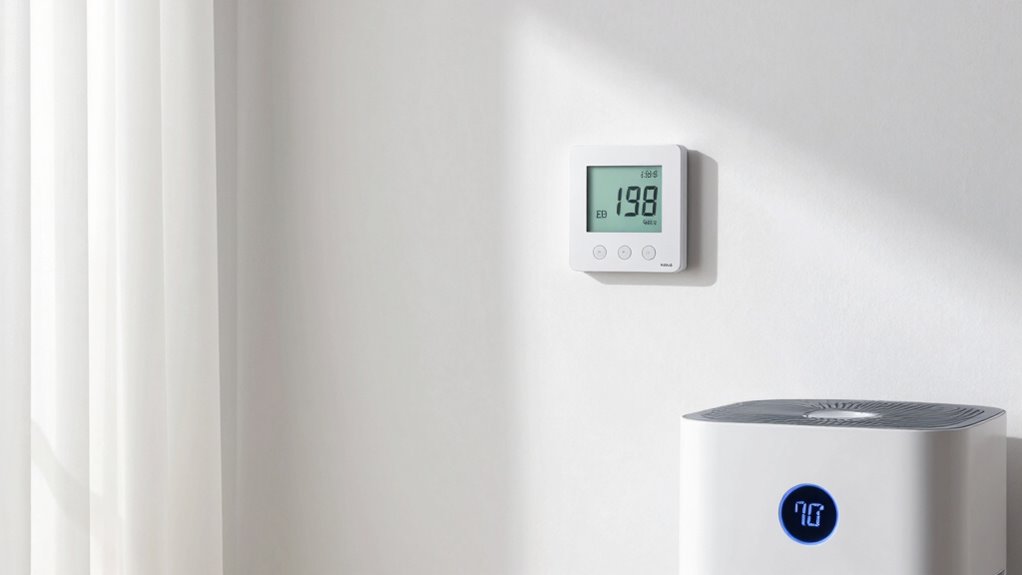
Incorporating whole-home humidity control isn’t just about comfort; it’s a smart move for energy efficiency. When humidity levels are optimized, your heating and cooling systems don’t have to work as hard to maintain a stable environment. For example, in winter, lower humidity helps prevent heat loss, making your home warmer without cranking up the thermostat. Conversely, in summer, reducing excess moisture helps your air conditioner run more effectively and efficiently, lowering energy bills. You can achieve this balance with a whole-home humidification or dehumidification system that integrates seamlessly with your existing HVAC. These systems monitor humidity levels constantly and adjust automatically, so you don’t have to think about it daily.
Neglecting humidity control often leads to increased mold risk, which is a common but overlooked problem. Mold thrives in damp environments, and without proper regulation, your home can become a breeding ground for spores that cause allergies and respiratory issues. Mold isn’t always visible, but it can subtly degrade your air quality over time. Using whole-home humidity control reduces this risk by maintaining a balanced moisture level, generally between 40 and 50 percent. This range discourages mold growth while still feeling comfortable. Many homeowners miss this step because they rely solely on portable dehumidifiers or humidifiers, which only address specific areas. Whole-home systems provide a consistent, whole-house solution that keeps mold at bay and preserves your indoor air quality. Proper humidity management is a key component of indoor air quality and overall home health.
Frequently Asked Questions
How Often Should I Check My Home’s Humidity Levels?
You should check your home’s humidity levels weekly using smart sensors to guarantee ideal moisture control. Regular monitoring helps you catch issues early and maintain a healthy environment. Incorporate humidity checks into your maintenance schedules so it becomes a routine. Staying proactive prevents mold growth and keeps your home comfortable. Don’t wait until problems arise—consistent checks with smart sensors make managing humidity simple and effective.
Can Humidity Control Systems Be Used in All Climates?
Yes, humidity control systems can be used in all climates because of their climate adaptability and system versatility. Whether you’re in a humid or dry environment, these systems adjust to maintain ideal indoor humidity levels, preventing mold and other moisture-related issues. You just need to choose the right system for your specific climate, and it’ll work efficiently year-round, ensuring your home stays comfortable and healthy no matter the weather outside.
What Are the Signs of Improper Humidity Levels?
You’ll notice signs of improper humidity levels through mold growth on walls or ceilings, which often appears in corners or less ventilated areas. Condensation issues, like water droplets on windows or walls, also signal humidity problems. Excess moisture can cause paint to peel or warp furniture, while musty odors indicate mold buildup. Addressing these signs promptly helps prevent mold growth and maintains a healthy, comfortable environment.
Are There Any Health Risks With Whole-Home Dehumidification?
Think of whole-home dehumidification as your shield against indoor allergens and mold growth, but it’s not without risks. If humidity drops too low, you might experience dry skin, irritated eyes, or respiratory issues. Over-dehumidifying can also lead to mold hiding in unseen areas. To stay safe, monitor humidity levels and consult professionals to guarantee your system keeps your home healthy without creating new problems.
How Does Humidity Control Affect Energy Consumption?
Humidity control can boost your energy savings by reducing the workload on your HVAC system. When you use humidity sensors, your dehumidifier or HVAC adjusts automatically, maintaining ideal moisture levels efficiently. This prevents your system from overworking, cutting energy use and lowering bills. Proper humidity management not only improves comfort but also enhances energy efficiency, making your home more eco-friendly and cost-effective.
Conclusion
Don’t delay, defend your domain by diligently controlling your home’s humidity. By balancing moisture levels, you’ll banish the buildup of mold and moldy maladies. Make monitoring and managing humidity a habit, and you’ll help keep your haven healthy and hassle-free. Remember, consistent care creates a clean, comfortable climate—so stay vigilant, stay vigilant, stay victorious against mold!