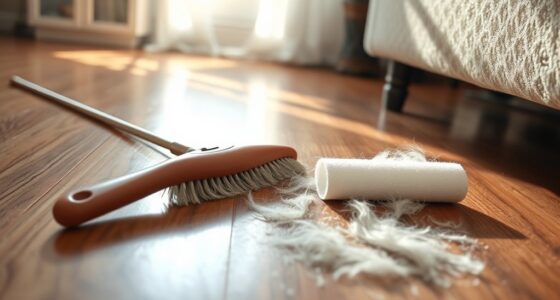
To control pet hair effectively, establish a routine that combines regular grooming with the right tools like slicker brushes, grooming gloves, and de-shedding tools. Vacuum often using pet hair-specific attachments and keep lint rollers handy for quick fixes on clothing and furniture. Wash bedding frequently and maintain a healthy diet for your pet to reduce shedding. Want to learn more ways to keep your home fur-free? Keep exploring for practical tips.
Key Takeaways
- Regular grooming with appropriate tools like slicker brushes and grooming gloves reduces loose fur and minimizes shedding.
- Vacuum frequently using pet hair-specific attachments to effectively remove hair from floors, furniture, and upholstery.
- Incorporate pet hair removers such as rubber gloves or squeegees into daily routines for quick fur cleanup.
- Maintain a healthy diet for pets, rich in omega fatty acids, to promote a shiny coat and reduce excessive shedding.
- Wash pet bedding, blankets, and cushions regularly to prevent hair accumulation and keep living spaces clean.
Pet hair can quickly turn your home into a shedding battleground, but with the right strategies, you can keep it under control. One of the most effective ways to manage pet hair is through consistent pet hair grooming. Regular grooming helps remove loose fur before it has a chance to fall all over your furniture and floors. Brushing your pet daily, especially during shedding seasons, reduces the amount of hair that ends up everywhere. Use the appropriate tools—slicker brushes, grooming gloves, or de-shedding tools—to get deep into the coat and remove loose fur efficiently. Not only does this keep your home cleaner, but it also promotes healthier skin and a shinier coat for your pet. When you prioritize pet hair grooming as part of your routine, you’re actively practicing shedding prevention, which minimizes the hassle of dealing with pet hair later on.
Consistent grooming reduces pet hair and keeps your home cleaner.
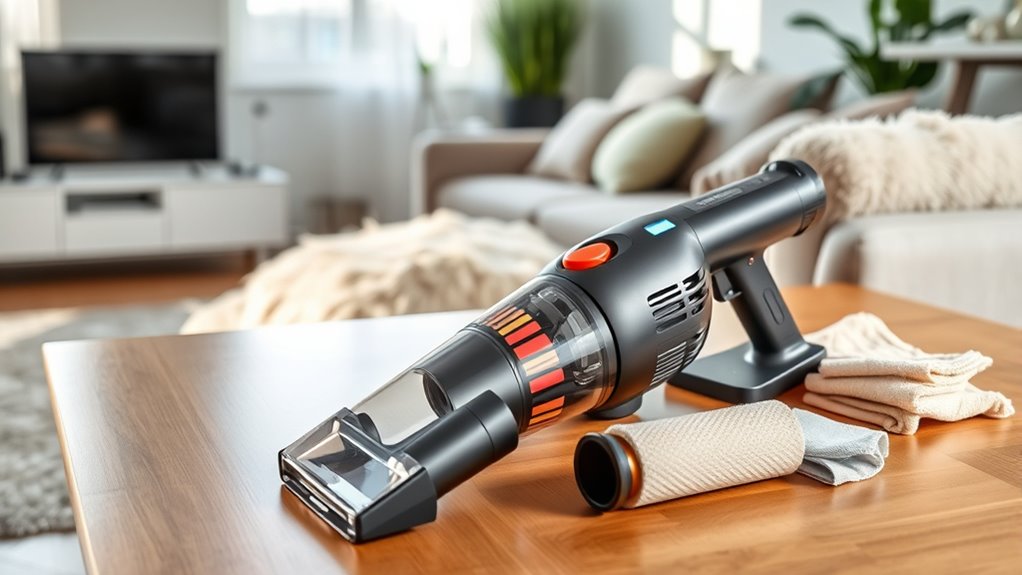
In addition to grooming, adopting a consistent cleaning routine is vital. Vacuuming regularly with a high-quality vacuum designed for pet hair can make a big difference. Look for models with strong suction and specialized attachments like upholstery tools or motorized brush heads to pick up hair from carpets, furniture, and curtains. Keep a lint roller or pet hair remover on hand for quick touch-ups on clothing and bedding. Washing pet bedding, blankets, and cushions frequently also helps cut down on the amount of hair that lingers. By staying proactive with cleaning, you reduce the spread of pet hair around your home and keep surfaces looking clean and fresh.
Shedding prevention goes beyond grooming and cleaning. Consider your pet’s diet and health, as a well-balanced diet rich in omega fatty acids can improve coat health and reduce excessive shedding. Regular vet checkups can identify underlying health issues that might cause abnormal shedding, ensuring your pet’s coat remains healthy. Additionally, controlling environmental factors such as stress and allergies can influence shedding patterns. Creating a calm, healthy environment and maintaining good hydration can also help minimize shedding.
Finally, invest in tools designed specifically for pet hair control. Rubber gloves, squeegees, and specialized pet hair removers can make quick work of fur on furniture and clothing. Consistently using these tools as part of your routine guarantees you’re staying ahead of the shedding cycle. Incorporating glycolic acid into your skincare routine can help improve skin health, which may indirectly support healthier coat conditions when used in conjunction with proper grooming. When you combine regular pet hair grooming, diligent cleaning, proper nutrition, and effective tools, you’re well on your way to a hair-free home. Managing pet hair takes effort, but with these strategies, you’ll notice a significant reduction in fur around your living space, making your home more comfortable and inviting for both you and your furry friends.
Frequently Asked Questions
How Often Should I Replace My Pet Hair Removal Tools?
You should replace your pet hair removal tools every 6 to 12 months, depending on their tool maintenance and how often you use them. Regularly cleaning and inspecting your tools helps maintain their effectiveness. If they start to lose their grip or become damaged, it’s time for a replacement. Keeping your tools in good shape ensures you can control pet hair efficiently and keeps your home hair-free.
Can Certain Fabrics Resist Pet Hair More Effectively?
Think of fabrics as your silent allies; some resist pet hair better than others. You’ll find that tightly woven or durable fabrics, like leather or microfiber, reduce pet hair adhesion and are less prone to trapping hair. These materials act like armor, making pet hair easier to remove and maintain. Choosing fabrics with high durability not only resists pet hair but also prolongs their beauty, saving you time and effort in cleaning.
Are There Natural Remedies to Reduce Shedding?
Yes, you can try DIY remedies and dietary changes to reduce shedding naturally. Incorporate omega-3 fatty acids, like fish oil, into your pet’s diet to promote healthy fur. Regularly brushing your pet helps remove loose hair and stimulates skin health. You can also use natural aloe vera or coconut oil as topical treatments to improve coat condition. Consistent routines and homemade remedies can make a noticeable difference in shedding levels.
How Can I Prevent Pet Hair From Spreading to Clothes?
To prevent pet hair from spreading to your clothes, choose clothing fabrics that are hair-resistant, like nylon or polyester, which repel hair better than cotton or wool. Keep a lint roller or sticky tape handy for quick removal, and consider wearing a dedicated pet hair-resistant jacket or apron when handling your pet. Regularly brushing your pet also minimizes loose hair, reducing the chances of it transferring to your clothes.
Do Air Purifiers Really Reduce Pet Hair in the Home?
Did you know that air purifiers can remove up to 99% of airborne pet hair particles? They really do reduce pet hair in your home by improving air quality. Air purifier effectiveness depends on the filter type, and high-efficiency models excel at pet hair filtration. While they won’t catch everything on surfaces, they help clear floating hair and dander, making your space look cleaner and smell fresher.
Conclusion
Keeping pet hair at bay is easier when you use the right tools and routines. Did you know that regular grooming can reduce shedding by up to 50%? By staying consistent with brushing and vacuuming, you’ll enjoy a cleaner home and happier pet. Remember, a little effort each day makes a big difference. So, embrace these tips, and you’ll find controlling pet hair becomes a manageable part of your routine—making your space neater and your pet more comfortable.