
To keep your booster pump running smoothly, regularly inspect it for leaks, strange noises, or vibrations, and clean any debris from the housing and impeller. Check and replace filters every few months to prevent clogs, and lubricate moving parts as recommended. Monitor pressure and flow rates closely, and test electrical connections for safety and reliability. Scheduling professional service guarantees all components stay in top shape. Continue exploring these tips to better maintain your pump’s performance.

Get cleaning gear delivered free — and shop member deals
- Fast, free delivery on millions of items
- Access to Prime Big Deal Days deals on October 6–7
- Prime Video, Amazon Music and more included
Key Takeaways
- Regularly inspect and clean the pump, including checking for leaks, corrosion, and debris buildup.
- Replace filters every 3 to 6 months to prevent clogs and maintain efficiency.
- Lubricate moving parts and test electrical components to ensure smooth operation and prevent failures.
- Monitor pressure and flow rates, making small adjustments to optimize performance and detect issues early.
- Schedule professional servicing and follow safety protocols during maintenance to prolong pump lifespan.
As an affiliate, we earn on qualifying purchases.
Regular Inspection and Visual Checks
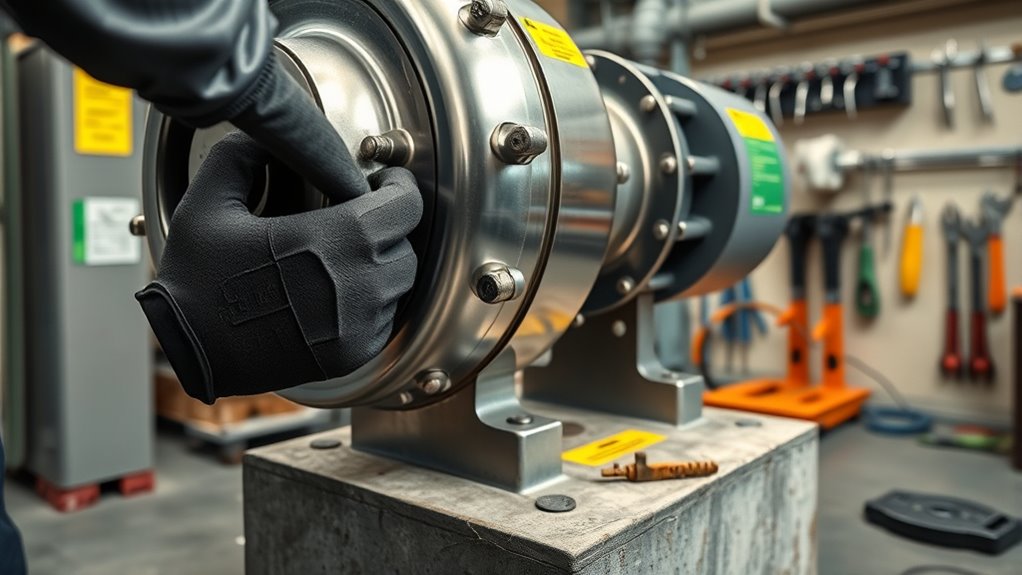
Regular inspection and visual checks are essential to keeping your booster pump running smoothly. Start by observing for any unusual vibrations, as vibration analysis helps identify early signs of imbalance or wear. Listen carefully for abnormal noises, which can signal bearing issues or misalignment. Check for leaks, corrosion, or loose fittings that could compromise performance. Pay attention to the pump’s mounting and connections, ensuring they remain secure. Regularly inspecting these elements allows you to detect problems before they escalate. Monitoring equipment performance through visual checks and noise detection can prevent costly repairs down the line. Incorporating smart maintenance techniques can further optimize performance and prevent unexpected failures. Additionally, inspecting protective components such as seals and filters ensures they are functioning properly and contributing to overall system integrity. Emphasizing predictive maintenance using data-driven insights can help anticipate issues before they occur, saving time and resources. Applying preventive maintenance strategies based on routine inspections helps extend the lifespan of the pump and maintain efficiency.
Cleaning and Removing Debris
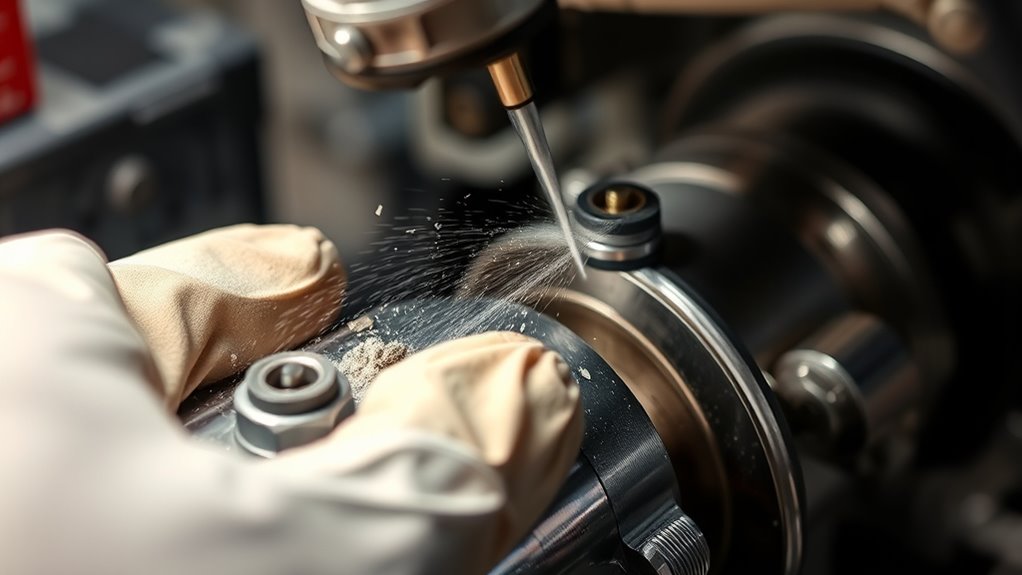
Cleaning and removing debris from your booster pump is a vital step in maintaining its efficiency. Regular debris removal prevents clogs and ensures smooth operation. Start by disconnecting the pump and inspecting accessible parts for dirt or blockages. Use a soft brush or cloth to clear debris from the pump housing and impeller. Avoid aggressive cleaning that could damage components. While not part of this cleaning step, remember that filter replacement is essential for ongoing performance. Keep an eye out for buildup that could hamper flow. Regular maintenance also supports energy efficiency, reducing operational costs and environmental impact. Additionally, inspecting pump components periodically can help identify wear or damage early, which is crucial for maintaining trustworthiness and optimal function. Proper placement and airflow can also prevent debris accumulation and improve performance. Ensuring proper pump operation is key to avoiding unnecessary wear and tear. Here’s a quick guide:
| Step | Action |
|---|---|
| 1 | Turn off and disconnect pump |
| 2 | Remove visible debris and dirt |
| 3 | Clean with soft brush or cloth |
This routine keeps your booster pump running smoothly.
Checking and Replacing Filters
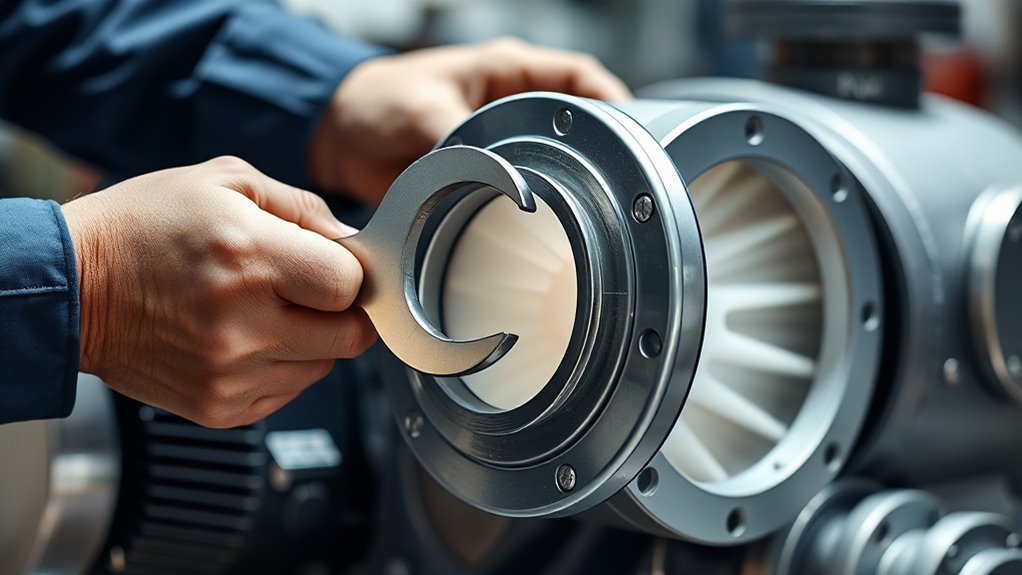
Have you checked your filters lately? Regularly inspecting your filters guarantees peak pump performance and prevents unnecessary strain. Over time, filters accumulate debris, reducing their effectiveness and increasing the risk of damage. The filter lifespan varies depending on usage and water quality, but generally, you should replace filters every 3 to 6 months. Keep an eye out for signs like decreased water flow or unusual noises, which indicate it’s time for a change. Neglecting filter replacement can lead to clogs and reduced efficiency, putting extra stress on your booster pump. To maintain peak performance, establish a routine check and adhere to the recommended replacement frequency. Properly maintained filters help your booster pump operate smoothly and extend its overall lifespan. Additionally, using filter maintenance practices ensures your system stays in optimal condition and can handle various water qualities effectively. Regular filter checks also contribute to system longevity, ensuring your equipment remains reliable over time. Conducting preventative maintenance can help identify potential issues before they become serious, saving time and money in the long run. Regular inspections can also prevent clogging issues, which can compromise your system’s effectiveness.
Lubricating Moving Parts

After replacing and inspecting your filters, it’s important to guarantee the moving parts of your booster pump are properly lubricated. Follow a regular lubrication schedule to ensure smooth operation and prevent wear. Check your pump’s manual to determine how often lubrication is needed and what intervals suit your usage. When selecting oil, focus on the oil type selection recommended by the manufacturer—using the wrong oil can cause damage or reduce efficiency. Typically, you’ll want to use a high-quality, compatible lubricant designed for pump components. Apply the oil carefully to all moving parts, including bearings and shafts. Proper lubrication minimizes friction, reduces noise, and extends the lifespan of your booster pump. Regular maintenance of this sort ensures your pump runs reliably and efficiently. Additionally, understanding the self-watering planters concept can help you maintain your gardening equipment more effectively. Incorporating preventive maintenance practices can further reduce the likelihood of unexpected breakdowns and costly repairs. To optimize your pump’s performance, consider inspecting wear and tear regularly and replacing parts as needed. Maintaining proper lubrication is crucial because it helps prevent malfunctions caused by friction and overheating. Regularly checking for signs of corrosion or damage can also extend the service life of your pump.
Monitoring Pressure and Flow Rates

You should check your pressure gauges regularly to guarantee your pump is operating within the correct range. Adjust flow settings carefully to maintain ideal performance and prevent damage. Keep an eye out for pressure fluctuations, as they can indicate issues that need your attention. Monitoring system safety protocols is also essential to ensure overall operational integrity. Additionally, staying informed about hydrogen safety measures can help mitigate potential risks associated with system operation. Regular maintenance and understanding of electric bike horsepower can further enhance system reliability and safety. Being aware of essential oil applications can also contribute to better maintenance practices and system health awareness. Moreover, implementing proper filter maintenance can extend the lifespan of your pump components and improve efficiency.
Checking Pressure Gauges Regularly
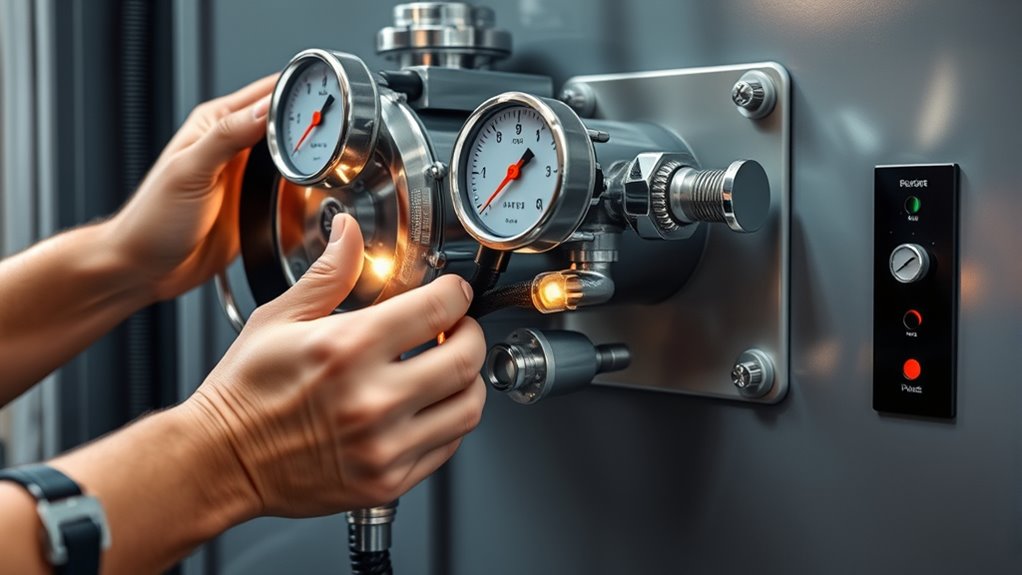
Regularly checking the pressure gauges on your booster pump is essential for ensuring it operates efficiently and reliably. Consistent monitoring helps you catch issues early, like inaccurate readings from sensor calibration errors or worn gauges needing replacement. When gauges show abnormal pressure, it could signal impending failure or inefficient operation, risking costly damage. Promptly replacing faulty gauges ensures accurate readings, giving you peace of mind. Keep an eye on flow rates too, as fluctuations may indicate pressure problems. Regular checks empower you to maintain ideal performance and extend your pump’s lifespan. Don’t ignore those gauges—they’re your first line of defense against unexpected breakdowns and costly repairs. AI-driven solutions are increasingly being integrated into maintenance protocols to proactively identify potential issues before they escalate, especially as automation in business advances.
Adjusting Flow Settings Properly
Monitoring pressure and flow rates is essential when adjusting your booster pump’s settings to guarantee peak performance. Accurate flow rate adjustment ensures your system delivers the right volume without overworking the pump. Use a flow meter to measure actual flow rates and compare them to desired specifications. If the flow is too high or low, adjust the pump’s calibration settings accordingly—this process is called pump calibration. Proper calibration prevents stress on the pump and maintains efficiency. Regularly checking pressure gauges alongside flow measurements helps confirm your adjustments are correct. Keep in mind that small tweaks can greatly impact performance, so make adjustments gradually. By paying close attention to these readings, you’ll optimize your booster pump’s operation and extend its lifespan.
Recognizing Pressure Fluctuations
Pressure fluctuations often indicate changes in your booster pump’s performance and can signal potential issues. Monitoring pressure and flow rates helps you catch problems early. Pay close attention to irregular pressure readings that may suggest sensor calibration is needed or that noise reduction measures aren’t effective. These fluctuations can cause frustration, inefficiency, or even damage if ignored. By staying alert, you gain confidence in your pump’s operation and prevent costly repairs. Regularly check gauges and sensors to ensure accurate readings. Implement noise reduction techniques to minimize false alarms. Recognize the subtle signs of pressure instability to act swiftly. Staying proactive keeps your system running smoothly and extends its lifespan. Trust your instincts and stay vigilant—your system’s health depends on it.
Testing the Electrical Components

To make certain your booster pump operates reliably, you need to test its electrical components. Start by checking circuit continuity to identify any breaks, then inspect wiring connections for signs of wear or loose contacts. Finally, test the switch to confirm it functions properly and controls power as it should.
Checking Circuit Continuity
Before testing the electrical components of your booster pump, make certain the power is turned off to prevent shocks or damage. Circuit testing and continuity verification are crucial steps to ensure your pump’s wiring is intact. Use a multimeter set to measure resistance or continuity. Touch the probes to the terminals and observe the readings; a continuous beep or zero resistance indicates good continuity. If you hear no sound or see high resistance, the circuit may be broken. This process helps you identify faulty connections before they cause further issues. Performing these checks gives you peace of mind, knowing your pump’s electrical system is sound and ready for reliable operation. Don’t skip this vital step—your pump depends on it.
- Feel the relief of knowing your system’s integrity
- Catch hidden faults before they escalate
- Ensure safe, smooth operation
- Protect your investment with confidence
Inspecting Wiring Connections
Start by visually inspecting all wiring connections on your booster pump for tightness and signs of wear or corrosion. Ensuring wiring safety is essential to prevent electrical issues. Look for loose connectors, frayed wires, or corrosion at connection points, as these can cause malfunctions or electrical hazards. Connection corrosion not only compromises the integrity of the wiring but also increases the risk of short circuits. If you notice any corrosion, clean it carefully with a wire brush or contact cleaner, and tighten any loose connections. Always unplug the pump before inspecting wiring to avoid electric shock. Regularly checking these connections helps maintain best performance and prolongs the lifespan of your pump. Proper inspection now can prevent costly repairs later.
Testing Switch Functionality
After inspecting the wiring connections, it’s important to verify that your booster pump’s switch functions correctly. Proper testing ensures your system responds accurately and safely. Begin by performing diagnostic testing on the switch to confirm it activates when needed. Check sensor calibration to ensure sensors communicate properly with the switch, preventing unexpected failures. If the switch doesn’t respond, troubleshoot electrical connections or replace faulty components immediately. Remember, a reliable switch keeps your system running smoothly. Don’t ignore signs of malfunction—prompt testing can prevent costly repairs later. Confidence in your system’s operation brings peace of mind. Stay proactive, and keep your booster pump working efficiently by routinely verifying switch functionality.
- Feel the relief of knowing your system is safe and reliable
- Avoid unexpected breakdowns and costly repairs
- Gain confidence through thorough diagnostic testing
- Maintain peace of mind with properly calibrated sensors
Scheduling Professional Servicing
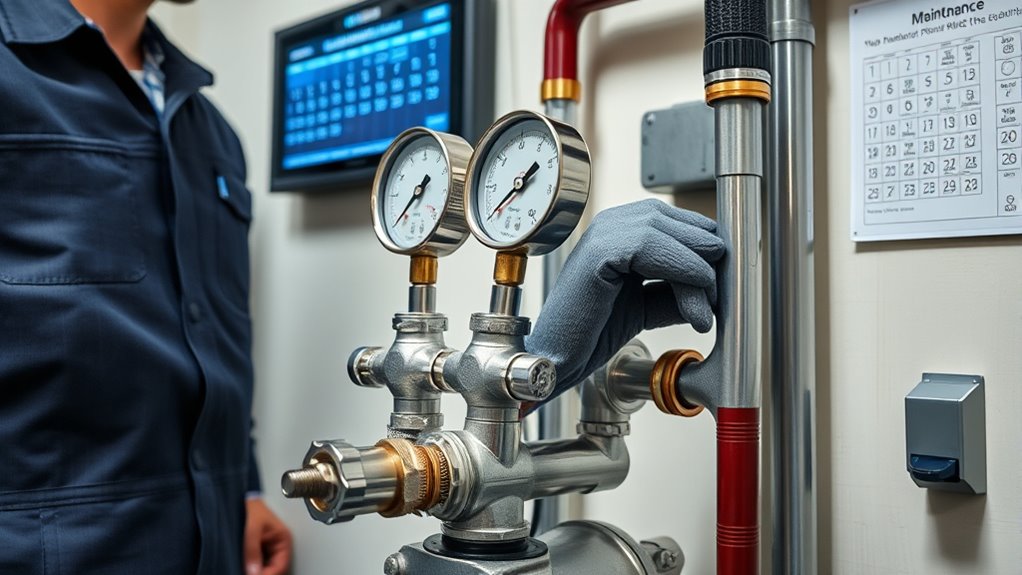
Scheduling professional servicing for your booster pump is vital to guarantee it operates efficiently and reliably. Regular servicing ensures that all components function correctly, preventing unexpected breakdowns. By adhering to proper timing schedules, you can address potential issues before they escalate. Keep detailed maintenance records to track service history, identify recurring problems, and plan future inspections effectively. Professionals can perform thorough checks, calibrations, and repairs that go beyond basic maintenance. This proactive approach prolongs your pump’s lifespan and maintains peak performance. Don’t wait for a failure to occur; schedule routine servicing at recommended intervals. Proper planning and record-keeping help you stay on top of maintenance needs, ensuring your booster pump runs smoothly and efficiently year-round.
Frequently Asked Questions
How Often Should I Replace the Pump’s Seals?
You should replace the pump’s seals when you notice leaks or decreased performance, typically every 1 to 3 years. Regular seal replacement is essential for pump longevity, preventing damage and costly repairs. Keep an eye on signs like moisture around the pump or unusual noises. By proactively replacing seals when needed, you extend the life of your booster pump and ensure it operates efficiently and reliably.
What Are Signs of a Failing Motor?
Think of your motor as the heart of your booster pump. When it starts failing, signs like overheating and unusual vibrations become warning bells. You might notice it running hotter than usual or hear strange noises, signaling trouble. Don’t ignore these signals; they hint your motor’s struggling. Regular inspections can catch issues early, preventing a complete breakdown and keeping your system running smoothly. Stay vigilant, and your booster pump will serve you well.
Can I Upgrade My Booster Pump for Higher Capacity?
Yes, you can upgrade your booster pump for higher capacity. Upgrading can improve pump efficiency, ensuring your system runs smoothly and meets increased demands. It can also lead to noise reduction, making your environment more comfortable. Before upgrading, assess your current system, consult a professional, and choose a pump compatible with your setup. Proper installation is key to maximizing benefits like efficiency and noise reduction.
How Do Temperature Changes Affect Pump Performance?
Temperature changes can considerably impact pump performance. When temperatures rise, the temperature impact may cause the pump’s components to expand, potentially reducing efficiency or causing overheating. Conversely, colder temperatures can thicken the fluid, making it harder for the pump to operate smoothly, which also affects pump efficiency. You should monitor temperature variations closely, as they directly influence your pump’s reliability and performance, especially in extreme weather conditions.
What Safety Precautions Should I Follow During Maintenance?
When you perform maintenance, prioritize safety by wearing personal protective equipment like gloves and eye protection. Always follow electrical safety protocols, such as disconnecting power before working on the pump, to prevent shocks. Keep the area clear of hazards and make sure you understand the manufacturer’s instructions. By staying alert and cautious, you protect yourself from injuries and ensure the maintenance process is safe and effective.
Conclusion
By staying on top of these maintenance steps, you guarantee your booster pump stays reliable and efficient. Regular inspections, cleaning, and timely replacements prevent costly repairs down the line. Don’t you want your pump to perform at its best whenever you need it? Keep up with routine checks, and you’ll extend its lifespan while avoiding unexpected breakdowns. Remember, a well-maintained pump is a trusted partner in keeping your system running smoothly.
Fall Picks
fall essentials
As an affiliate, we earn on qualifying purchases.