To restore cloudy glassware, soak your glasses in a mixture of warm water and 1 cup vinegar for 15-30 minutes to dissolve mineral deposits. Scrub gently with a soft sponge or apply a baking soda paste to stubborn spots, then rinse thoroughly. Dry with a lint-free towel or buff with a clean cloth for extra shine. Using these simple household techniques can effectively bring back clarity—exploring more tips can help you prevent future cloudiness.

Get cleaning gear delivered free with Prime
- Fast, free delivery on millions of items
- Prime Video, Amazon Music and more included
- Member-only deals all year
Key Takeaways
- Soak glasses in warm water with 1 cup of vinegar for 15-30 minutes to dissolve mineral deposits.
- Use a baking soda paste to gently scrub stubborn haze and remove residual film.
- Rinse thoroughly and dry with a lint-free or microfiber cloth for extra clarity.
- Hand-wash glasses regularly and avoid dishwashers to prevent mineral buildup.
- Maintain clarity by wiping with vinegar solution and buffing with a clean cloth after washing.
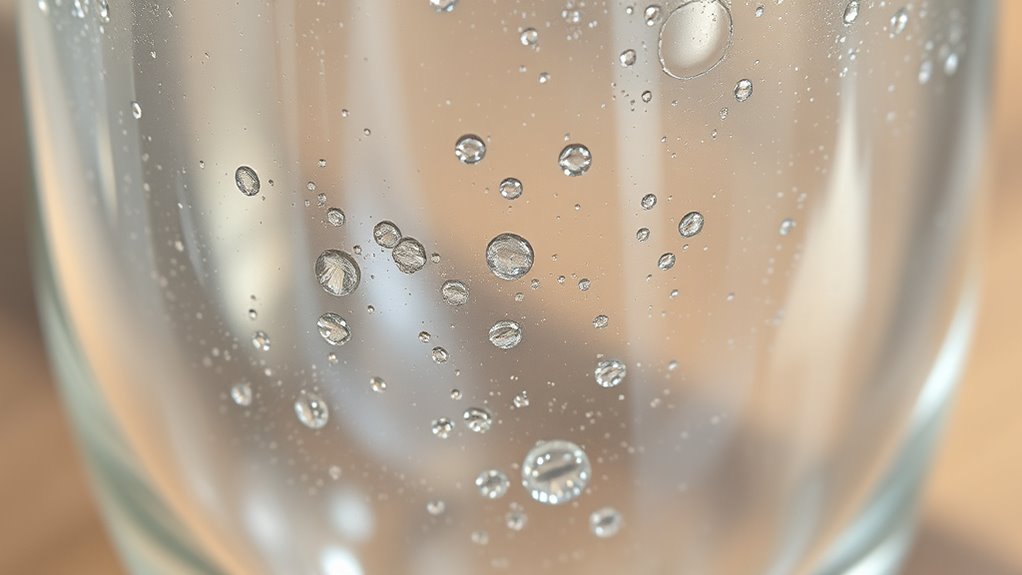
Cloudy glassware can be frustrating, but restoring its clarity is easier than you might think. When your glasses lose their shine and appear foggy, it usually means mineral deposits or soap scum have built up over time. The good news is that with simple household ingredients like cleaning vinegar and a baking soda scrub, you can bring back their sparkle without expensive cleaners or replacements.
Start by filling each glass with warm water and adding a cup of cleaning vinegar. Vinegar is a natural acid that dissolves mineral deposits, hard water spots, and soap residue that cause cloudiness. Let the glasses soak for about 15 to 30 minutes, giving the vinegar enough time to loosen the buildup. After soaking, use a soft sponge or cloth to gently scrub the interior and exterior surfaces. You’ll notice the cloudiness beginning to lift. Rinse thoroughly with warm water to remove any vinegar residue. This method is effective because vinegar’s acidity cuts through stubborn deposits, restoring clarity without damaging the glass.
If spots or haze persist, a baking soda scrub can be your next step. Baking soda is a gentle abrasive that helps remove residual film and stains. Mix a few tablespoons of baking soda with a small amount of water to create a paste. Apply this paste to the glass with a soft cloth or sponge, focusing on areas that still appear cloudy. Use circular motions to scrub gently but firmly, which helps lift stubborn deposits. After scrubbing, rinse the glass thoroughly with warm water. You’ll find your glassware looks noticeably clearer and more pristine. The combination of vinegar soak and baking soda scrub tackles different types of buildup, making your glasses look like new.
In addition, using the correct projector technology, such as LCD or DLP, can significantly improve the clarity and overall appearance of projected images, especially in home cinema setups. For extra shine, dry the glasses with a lint-free towel or microfiber cloth. You can also buff them with a clean, dry cloth to add extra clarity. If you want to prevent future cloudiness, consider hand-washing your glasses instead of using a dishwasher, especially if you notice mineral deposits from hard water. Regularly wiping down your glasses with vinegar or a vinegar-water solution can also help maintain their clarity over time.
Restoring cloudy glassware doesn’t require harsh chemicals or costly products. With a little patience and household staples like cleaning vinegar and baking soda, you can effortlessly bring back that sparkling, clear look. Not only will your glasses look better, but you’ll also save money and reduce chemical exposure. Keep these simple techniques in mind, and you’ll always have crystal-clear glassware ready for any occasion.
As an affiliate, we earn on qualifying purchases.
Frequently Asked Questions
Can I Use Lemon Juice to Clean Cloudy Glassware?
Yes, you can use lemon juice to clean cloudy glassware. Lemon is great for natural cleaning methods and can help with lemon stain removal, which often causes cloudiness. Simply squeeze fresh lemon juice onto the glass, or soak a cloth in it, then scrub gently. The acidity breaks down mineral deposits and grime, restoring clarity. Rinse well with water afterward, and your glassware will look clearer and brighter.
How Long Does the Restoration Process Typically Take?
The restoration process usually takes about 10 to 30 minutes, depending on the severity of cloudiness. Factors like the type of residue, the cleaning method, and how thoroughly you rinse can affect the duration. You’ll notice results quickly, but for stubborn cloudiness, you might need to repeat the process. Stay patient and monitor the glassware, as the process duration varies based on these factors.
Is It Safe to Use Commercial Glass Cleaner?
Using commercial glass cleaner is generally safe for glassware, but you should always check the label for safety considerations. Make sure the cleaner is suitable for the type of glass you’re cleaning, and work in a well-ventilated area. Avoid mixing different products, and rinse thoroughly afterward to prevent residue. Proper glass cleaning guarantees your glassware stays clear and safe to use, so follow manufacturer instructions for maximum safety and results.
Will Restoring Glassware Damage Delicate Patterns or Etchings?
Restoring glassware generally won’t damage delicate patterns or etchings if you’re careful. Use gentle cleaning methods to preserve pattern integrity and avoid harsh chemicals that could erode glass etching. Avoid abrasive scrubbing and opt for soft cloths or brushes. By taking these precautions, you protect your glassware’s pattern preservation while effectively restoring its clarity, ensuring your beautiful pieces remain intact and stunning.
How Often Should I Clean Cloudy Glassware to Prevent Recurrence?
Think of your glassware as a garden; regular tending keeps it pristine. You should clean cloudy glassware after every use or at least weekly to prevent buildup. For storage, picture a cozy, dust-free haven—use soft cloths or padded shelves. This cleaning frequency and storage tips help maintain their clarity, ensuring your glassware remains sparkling and beautiful, just like a well-tended garden that blooms with brilliance.
Conclusion
Don’t let cloudy glassware ruin your table setting. With simple cleaning techniques, you can restore its sparkle and shine in no time. Imagine serving drinks in crystal-clear glasses that impress everyone. Even if you’re worried about harsh chemicals or damage, gentle methods like vinegar or baking soda are safe and effective. So go ahead—give your glassware a fresh new look and enjoy that pristine, sparkling finish every time you entertain.
Evergreen bestsellers Picks
bestsellers
As an affiliate, we earn on qualifying purchases.