To remove candle smoke from painted walls, start by gently vacuuming with a soft brush attachment to remove loose soot. Then, clean the area with a damp microfiber cloth dipped in a solution of warm water and mild dish soap, wiping from the bottom up. For stubborn stains, apply a paste of baking soda and water, letting it sit before wiping away. Want to learn more tips for safe and effective cleaning? Keep exploring for detailed guidance.
Key Takeaways
- Gently vacuum walls with a soft brush attachment to remove loose soot before cleaning.
- Mix warm water with mild dish soap or all-purpose cleaner and wipe affected areas from bottom to top.
- For stubborn stains, apply a baking soda paste, let sit, then wipe with a damp cloth.
- Test commercial smoke stain cleaners on small areas first and follow manufacturer instructions carefully.
- Repaint with stain-blocking primer if soot has deeply penetrated or discoloration is severe.

Candle smoke can leave unsightly soot and discoloration on your painted walls, but with the right approach, you can restore their appearance. If you’ve been lighting scented candles, you might notice wall discoloration over time, especially near areas where the candles are frequently burned. The good news is that removing this stubborn residue doesn’t require professional help; a few simple steps can make your walls look fresh again.
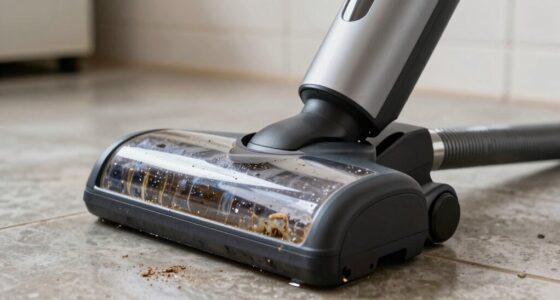
Start by gently vacuuming the walls with a soft brush attachment to remove loose soot and dust. This prevents smudging or spreading the residue when you begin cleaning. Once you’ve cleared away surface debris, mix a solution of warm water and a mild dish soap or a gentle all-purpose cleaner. Dip a soft sponge or microfiber cloth into the solution, then wring it out thoroughly so it’s damp but not dripping. Lightly wipe the affected areas, working from the bottom up to avoid streaks. Be careful not to scrub too hard, as aggressive cleaning can damage the paint or cause peeling.
Gently vacuum walls first, then wipe with a damp sponge to remove soot without damaging paint.
For more stubborn wall discoloration caused by candle smoke, a paste made from baking soda and water can be effective. Apply this paste gently with a soft cloth, let it sit for a few minutes, then wipe away with a clean damp cloth. Baking soda is a natural deodorizer that also helps lift soot and grime from painted surfaces. If the discoloration persists, consider using a commercial wall cleaner designed specifically for smoke stains. Always test a small, inconspicuous area first to ensure it won’t harm your paint. Additionally, understanding chemical safety when working with cleaning products can help prevent accidental damage or health issues during the cleaning process. Being aware of ventilation practices can also significantly improve the effectiveness of smoke removal and reduce lingering odors. Proper ventilation can also help prevent the buildup of smoke residues in the future.
If scented candles are a regular part of your ambiance, take preventative measures to minimize future wall discoloration. Keep candles away from walls and furniture, and use candle holders that contain any dripping wax or soot. Ventilate the room well after burning candles, opening windows or turning on fans, to help disperse smoke particles and reduce buildup. Regularly cleaning your walls and avoiding prolonged burning of scented candles near painted surfaces can keep your walls looking clean and bright.
In some cases, if the soot has deeply penetrated the paint or if the discoloration is severe, you might need to repaint the affected areas. Lightly sanding the surface and applying a stain-blocking primer before repainting can help achieve a uniform look. Remember, prevention is key: being mindful of how and where you burn candles will save you time and effort in the long run. With these tips, you’ll be able to keep your walls looking pristine, even with scented candles in your home.

USANOOKS Microfiber Cleaning Cloth Grey – 12 Pcs (12.5"x12.5") – High Performance – 1200 Washes, Ultra Absorbent Microfiber Towel Weave Grime & Liquid for Streak-Free Mirror Shine – Car Washing Cloth
- High Absorbency Grip Root Weave: Locks in 8-10x weight in liquids
- Lint-Free and Scratch-Resistant: Prevents streaks, swirls, and shedding
- Durable for 1200+ Washes: Long-lasting reusable microfiber cloths
As an affiliate, we earn on qualifying purchases.
As an affiliate, we earn on qualifying purchases.
Frequently Asked Questions
Can Candle Smoke Damage the Wall’s Paint Over Time?
Yes, candle smoke can damage your wall’s paint over time. The soot residue from candle smoke can settle on surfaces, leading to wall discoloration and staining. If left uncleaned, this buildup can cause the paint to deteriorate, making walls look dingy and dingy. Regular cleaning, especially after frequent candle use, helps prevent long-term damage, keeping your walls looking fresh and vibrant.
Is It Safe to Use Bleach to Clean Candle Smoke Stains?
Using bleach to clean candle smoke stains isn’t the safest choice; it’s as harsh as a thunderstorm on your walls. Bleach safety is questionable, especially on painted surfaces, and it can cause discoloration or damage. Instead, opt for alternative cleaners like vinegar or baking soda, which are gentler yet effective. These options protect your walls while still tackling stubborn smoke stains, keeping your space both clean and safe.
How Often Should I Clean Candle Smoke From Painted Walls?
You should clean candle smoke from painted walls whenever you notice soot residue or a lingering candle aroma, typically every few months or as needed. Regular cleaning prevents buildup and keeps your space fresh. Use a gentle, damp cloth or a mild cleaning solution to wipe down the walls, avoiding harsh chemicals. This routine helps maintain the appearance of your walls and keeps the air smelling clean and inviting.
Will Repainting Be Necessary After Removing Candle Smoke?
You won’t necessarily need to repaint after removing candle smoke, but it depends on the wall’s discoloration and lingering candle scent. If the smoke has caused significant wall discoloration or stubborn stains, a fresh coat of paint can restore its original look and eliminate residual scent. However, with proper cleaning, you might just restore the walls’ brightness, leaving repainting as a last resort if the candle scent persists or discoloration remains visible.
Are There Any Natural Remedies to Prevent Candle Smoke Buildup?
Yes, you can use natural remedies to prevent candle smoke buildup. Herbal remedies like placing bowls of baking soda or activated charcoal can absorb odors and reduce smoke accumulation. Aromatic diffusers with essential oils can also help mask lingering smells and keep the air fresh. Regularly opening windows for ventilation and cleaning walls with natural solutions like vinegar and water further prevents smoke buildup, maintaining a cleaner, odor-free space effortlessly.
Conclusion
Don’t worry if removing candle smoke seems intimidating—you’re more than capable of tackling it yourself. With the right cleaning solutions and a little patience, your walls will look fresh again. Some might think it’ll take special tools or harsh chemicals, but simple household items often do the trick. Just follow these easy steps, and you’ll restore your painted walls without hassle. You’ve got this—clean, fresh walls are just a few steps away!