To clean your hardwood floors safely, first identify the finish type. For polyurethane, use a damp mop with mild dish soap and dry thoroughly. For wax finishes, a vinegar-water solution works well, followed by buffing or applying beeswax polish. Oiled floors benefit from a damp cloth with natural oil, avoiding excess moisture. Knowing your floor’s finish helps you choose eco-friendly, DIY methods that protect its beauty; explore further for more detailed tips.
Key Takeaways
- Identify the finish type (polyurethane, wax, or oil) to select appropriate cleaning methods.
- Use mild, natural cleaning solutions like dish soap and warm water for polyurethane floors.
- For wax finishes, clean with vinegar-water mixture and buff to restore shine.
- Maintain oiled floors with damp cloths and natural oils, avoiding excess moisture.
- Always avoid harsh chemicals; opt for eco-friendly, homemade cleaners tailored to each finish.

Cleaning hardwood floors effectively begins with understanding their finish type, as it determines the best cleaning methods and products. Different finishes—such as polyurethane, wax, or oil—react differently to cleaning solutions, so knowing what’s on your floor helps you prevent damage and achieve a spotless shine. If you’re interested in diy cleaning and eco friendly solutions, it’s especially important to choose products that won’t harm the environment or compromise your floor’s finish.
Understanding your hardwood floor’s finish is key to safe, eco-friendly cleaning.
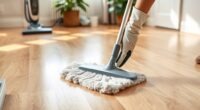
For polyurethane-finished floors, gentle cleaning is key. These floors are durable but can be scratched or dulled by harsh chemicals. You can make your own eco friendly solutions by mixing a few drops of mild dish soap with warm water. Use a damp mop, not soaking wet, to wipe the surface, then dry with a clean microfiber cloth. Avoid using vinegar or ammonia-based cleaners, as they can break down the polyurethane over time. Instead, opt for a homemade solution with natural ingredients like a splash of lemon juice in water for a fresh scent and added cleaning power. DIY cleaning with natural ingredients keeps your floors shining without introducing harmful toxins.
If your floors have a wax finish, they require more delicate care. Waxed hardwoods tend to be softer and more susceptible to damage from water and abrasive cleaners. For diy cleaning, create a mixture of equal parts white vinegar and water, but test it first on a small area to ensure it doesn’t strip the wax. Use a slightly damp cloth or mop to clean, then buff the floor with a soft cloth to restore the shine. To maintain a wax finish naturally, you can also apply homemade beeswax polish periodically. Eco friendly solutions like olive oil mixed with beeswax can help nourish the wood and keep it looking polished without synthetic chemicals. Additionally, understanding the types of hardwood finish can help you tailor your cleaning routine more precisely.
Oiled finishes need a gentle touch as well. They tend to be more porous, so excess moisture can cause swelling or damage. For diy cleaning, use a soft cloth dampened with a mixture of water and a few drops of natural oil, such as jojoba or olive oil, to wipe away dirt. This not only cleans but also nourishes the wood, maintaining its natural look. Regularly applying a homemade oil-based polish can help extend the life of oiled floors and keep them looking their best.
In all cases, avoiding harsh chemicals and opting for DIY cleaning and eco friendly solutions will protect your hardwood floors and the environment. Tailoring your cleaning approach based on your floor’s finish ensures you get a thorough clean without risking damage, all while minimizing your ecological footprint.

Puracy Wood Floor Cleaner Concentrate – pH Neutral Plant-Powered Hardwood All Purpose Cleaner – Residue-Free Non-Sticky Cleaning Solution As Seen on TikTok (Blue Sage & Driftwood, 16 fl oz)
RESIDUE-FREE, NON-STICKY SHINE – This wood floor cleaner delivers a bright, streak-free finish with plant-powered cleaning that lifts…
As an affiliate, we earn on qualifying purchases.
As an affiliate, we earn on qualifying purchases.
Frequently Asked Questions
Can I Use Vinegar on All Hardwood Finishes?
You shouldn’t use vinegar cleaning on all hardwood finishes because it can damage some. Vinegar is acidic, so its compatibility varies with different hardwood finishes. For sealed or polyurethane floors, a diluted vinegar solution might be safe, but for oil-based or waxed finishes, it could cause damage or dullness. Always check your hardwood finish’s compatibility before using vinegar cleaning, and when in doubt, opt for a gentle, pH-neutral cleaner.
How Often Should I Deep Clean My Hardwood Floors?
Think of your hardwood floors as a garden that needs regular tending. You should deep clean them every 3 to 6 months, depending on foot traffic and household activity. Follow a consistent maintenance tips routine to keep their shine and durability. Regular deep cleaning removes hidden dirt and grime, helping prevent scratches and wear. Staying on schedule guarantees your floors stay beautiful, just like a well-kept garden flourishes with care.
Are Steam Mops Safe for Finished Hardwood?
Steam mops can be safe for finished hardwood floors if you check their safety and finish compatibility first. You should verify that your steam mop has adjustable steam settings and confirm it’s compatible with your floor’s finish. Using a steam mop on a sealed hardwood floor is generally safe, but avoid excessive moisture or high heat, which can damage the finish. Always follow manufacturer guidelines for your specific floor type.
What Cleaning Products Are Best for Antique Hardwood Floors?
You’ll want gentle, pH-balanced cleaners for antique hardwood floors. Skip harsh chemicals and opt for products designed for vintage wood, like a mild wood soap or a specially formulated antique finish maintenance solution. These help preserve the rich patina and restore vintage hardwood beauty without stripping the finish. Think of it as giving your cherished floors a spa day—gentle, caring, and respectful of their age and character.
How Do I Remove Stubborn Stains Without Damaging the Finish?
To remove stubborn stains without damaging the finish, start with gentle stain removal techniques like softening the stain with a mixture of mild soap and water. Use a soft cloth to gently lift the stain, avoiding harsh scrubbing. Finish preservation tips include testing any cleaner on a small area first and avoiding excess moisture. This approach guarantees you effectively remove stains while maintaining your hardwood floor’s finish.
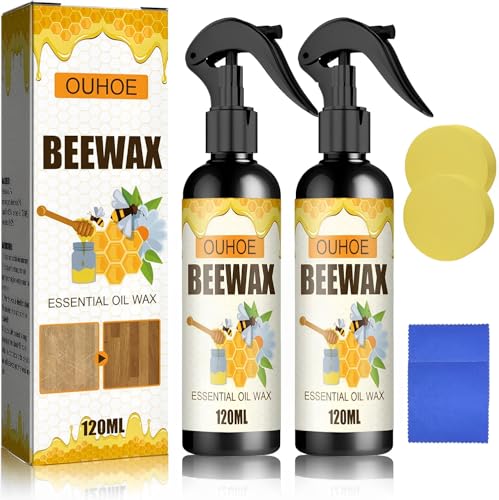
Biaoyun Natural Beeswax Care Spray & Restorer, Beeswax Wood Polish for Floors and Furniture, Natural Micro-Molecular Spray – Multi-Purpose(2 Bottles)
【Make Your Old Furniture Shine】Our Micro-Molecularized Beeswax Spray can restore the appearance of old furniture by removing wax…
As an affiliate, we earn on qualifying purchases.
As an affiliate, we earn on qualifying purchases.
Conclusion
Now that you know how to clean your hardwood floors based on their finish, you’re ready to keep them looking their best. Remember, using the right cleaning method preserves their beauty and longevity. Isn’t your home worth the extra care? By following these simple tips, you’ll enjoy stunning, durable floors for years to come. So go ahead—take pride in your space and give your hardwood the love it deserves. Your floors will thank you every time you walk in.

Aunt Fannie's Ultra Concentrated Hardwood Floor Cleaner, Vinegar-Free Plant Based Hardwood Floor Cleaner for Mopping, Bright Lemon Scent, 32 oz. (Pack of 1)
Aunt Fannie's Hardwood Floor Cleaner: Contains 32 ounces of lemon-scented natural plant-based floor cleaner that leaves floors sparkling…
As an affiliate, we earn on qualifying purchases.
As an affiliate, we earn on qualifying purchases.

Microfiber Mops for Hardwood Floor Cleaning – BPAWA Flat Floor Mop with 4 Washable Pads for Laminate Wood Tile Vinyl Home Kitchen Bathroom – 59" Adjustable Handle
Microfiber Mops for Floor Cleaning: Flat floor mop with adjustable long handle, flexible lightweight but sturdy, great for…
As an affiliate, we earn on qualifying purchases.
As an affiliate, we earn on qualifying purchases.