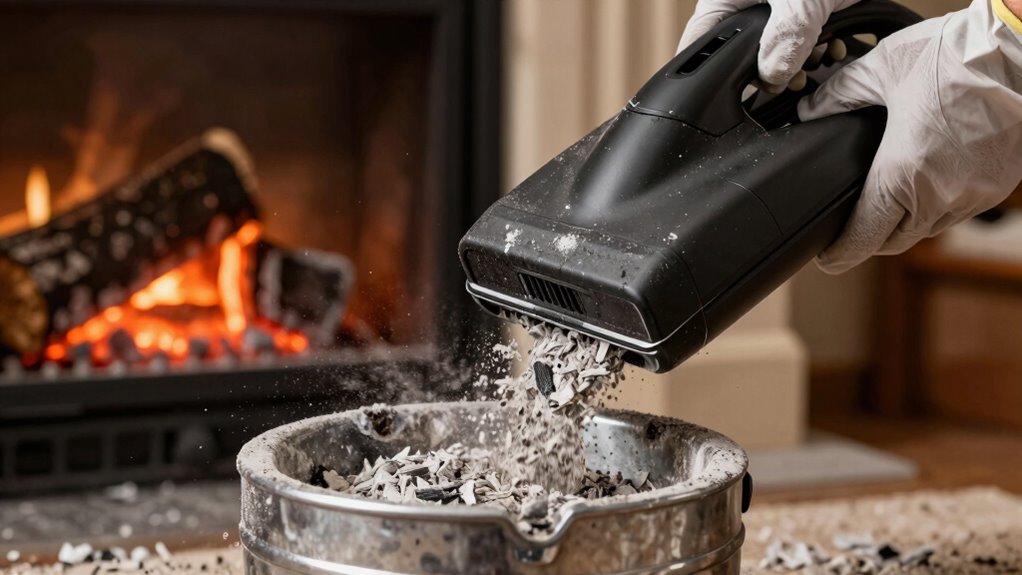
To clean your ash vacuum after fireplace and stove jobs, start by unplugging it and emptying the collection tank or drum promptly. Allow ashes to cool completely before handling, then wipe down the interior with a damp cloth to remove dust. Check and clean or replace filters as needed, and inspect hoses and attachments for blockages or damage. Regular maintenance keeps your vacuum performing well and reduces safety risks—keep going to discover more tips for maximum cleanup.

Get cleaning gear delivered free with Prime
- Fast, free delivery on millions of items
- Prime Video, Amazon Music and more included
- Member-only deals all year
Key Takeaways
- Empty the ash container promptly and ensure ashes are fully cooled before disposal.
- Check and clean or replace vacuum filters regularly for optimal suction.
- Inspect and clear hoses and attachments of blockages or damage.
- Wipe interior components with a damp cloth to remove ash dust and prevent buildup.
- Examine electrical cords and seals for damage to maintain safety and performance.
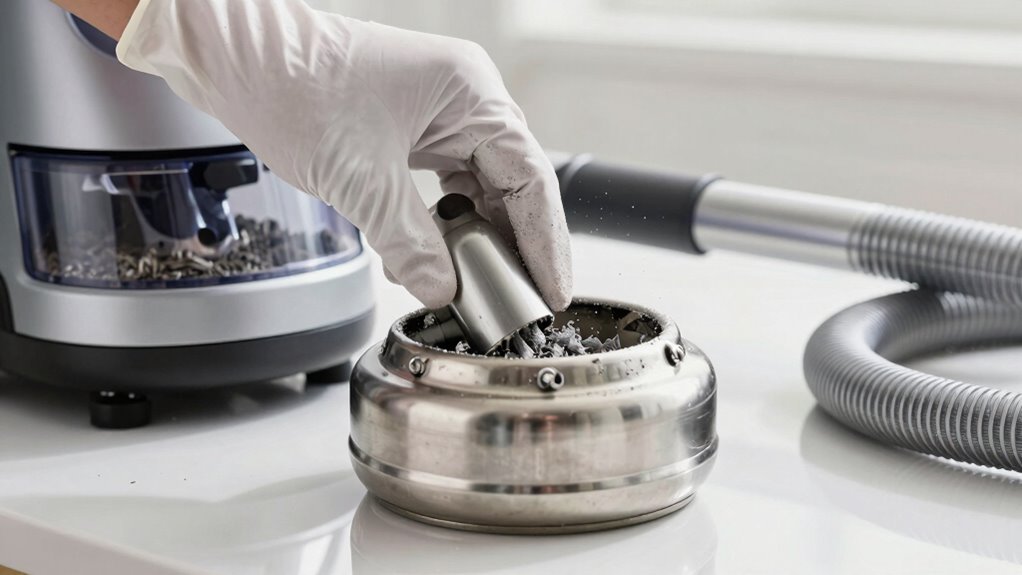
Cleaning your ash vacuum regularly is essential to keep it functioning efficiently and safely. Proper ash disposal is a critical part of this process, ensuring that the vacuum operates smoothly and reduces the risk of fire hazards. After each fireplace or stove job, you should empty the ash container promptly, making sure you use a metal container with a tight-fitting lid. This prevents any stray embers from igniting nearby materials and keeps your home safe. When doing ash disposal, avoid rushing; give the ashes enough time to cool completely before handling them. You don’t want to accidentally introduce hot embers into your trash or storage area, which could cause damage or a fire.
Vacuum maintenance is equally important in keeping your ash vacuum in top shape. Regularly check the vacuum’s filters and replace or clean them as needed. Many ash vacuums come with specialized filters designed to trap fine ash particles, so keeping these filters clean prevents clogging and maintains suction power. Use a brush or compressed air to clean the filters, but avoid washing them with water unless the manufacturer specifies it’s safe to do so. Additionally, inspect the hose and attachments for blockages or damage. Clear out any debris that might obstruct airflow, which can diminish the vacuum’s efficiency and strain the motor. Proper filter maintenance is vital to ensure the vacuum continues to operate at peak performance. Regular inspections of ash buildup can help prevent clogs and prolong the life of your vacuum.
Another key aspect of vacuum maintenance involves the vacuum’s interior components. Empty the collection tank or drum after each use, and wipe it down with a damp cloth to remove any residual ash dust. This keeps the inside clean and prevents ash buildup that could impact suction or cause corrosion over time. Make sure all seals and gaskets are in good condition, replacing any that are cracked or worn to maintain prime performance. Regularly inspecting the power cord and plug for damage is also vital to avoid electrical issues or potential safety hazards. Understanding the ash residue and its proper disposal is essential to prevent buildup and potential damage to the vacuum. Additionally, considering the indoor air quality and ventilation can help reduce ash dust circulation in your home environment.
As an affiliate, we earn on qualifying purchases.
Frequently Asked Questions
Can I Use My Ash Vacuum for Wet Debris?
You should not use your ash vacuum for wet debris, as it’s designed for dry ash only. Using it for wet materials can cause damage and hinder ash disposal. To keep your vacuum working effectively, perform regular vacuum maintenance, like cleaning filters and emptying the ash container properly. Always follow the manufacturer’s guidelines to ensure safe and efficient ash disposal, extending your vacuum’s lifespan and maintaining peak performance.
How Often Should I Replace the Vacuum’s Filter?
You should replace your ash vacuum’s filter based on filter maintenance and replacement frequency recommendations, usually after every few uses or when it becomes visibly dirty or clogged. Check the manufacturer’s guidelines for specific intervals, as heavy use or ash residue can shorten the filter’s lifespan. Regularly inspecting and replacing the filter guarantees maximum suction and prevents dust from escaping, keeping your vacuum functioning efficiently and prolonging its life.
Is It Safe to Vacuum Hot Ashes?
No, it’s not safe to vacuum hot ashes, as they can ignite or damage your vacuum. Always let ashes cool completely before disposal, ensuring they are cold to prevent fire hazards. Proper ash disposal is essential for fire safety, so use a metal container with a tight lid for ashes and avoid vacuuming hot ashes to protect yourself and your home from potential fires.
What Is the Best Storage Method for the Vacuum?
Store your ash vacuum in a dry, cool place to prevent rust and damage. Use storage tips like emptying the tank completely and guaranteeing it’s dry before storing. Regular vacuum maintenance, such as cleaning filters and inspecting hoses, prolongs its lifespan. Keep it away from moisture and direct sunlight, and consider using a protective cover. Proper storage guarantees your vacuum stays effective and ready for future fireplace or stove clean-ups.
Can I Use Household Cleaning Products to Clean the Vacuum?
Think of your vacuum like a trusted ship sailing through ash-laden waters. Household cleaning products might seem convenient, but they can damage your vessel’s integrity. For proper vacuum maintenance and cleaning ash residue, use only recommended tools and solutions designed for ash vacuums. This prevents corrosion and guarantees longevity. Stick to manufacturer guidelines, and your vacuum will continue to serve faithfully, steering safely through every ash-filled voyage.
Conclusion
Just like tending to a garden after a storm, cleaning your ash vacuum restores its strength and beauty. You clear away the remnants of your cozy fireside moments, preparing it for future warmth and comfort. With a little care, your vacuum becomes a trusty guardian, ready to tackle the next blaze. So, embrace the routine—each cleanup is a quiet act of renewal, ensuring your fireplace’s gentle glow continues to brighten your home for seasons to come.
Halloween Picks
halloween
As an affiliate, we earn on qualifying purchases.