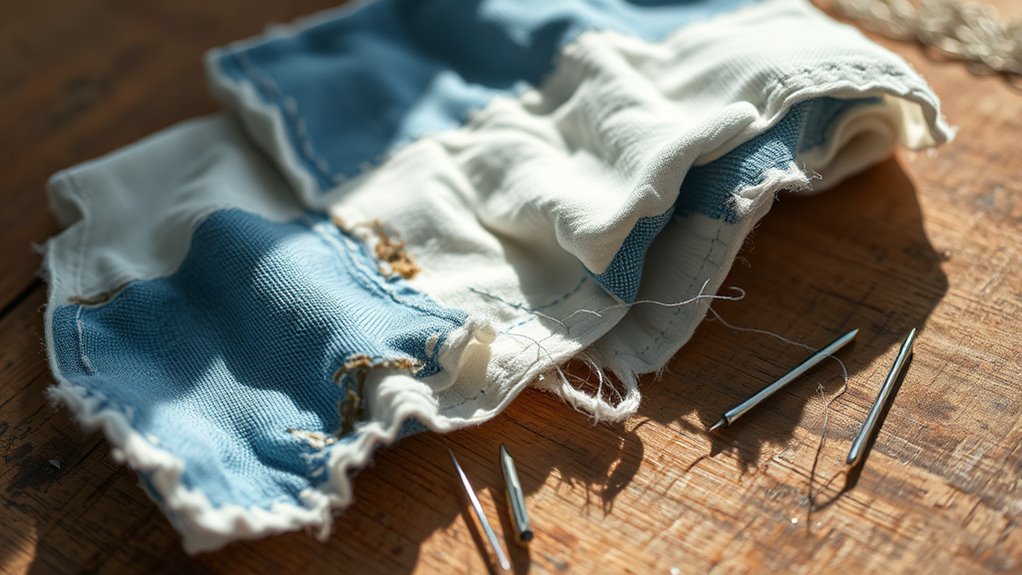

To extend the life of your cleaning cloths, focus on repairing small tears and frayed edges instead of discarding them. Use eco-friendly cleaning solutions and proper washing techniques to maintain fabric integrity. When repairs aren’t possible, consider recycling or composting biodegradable fabrics or repurposing old cloths for gardening or crafts. By practicing repair and reuse, you minimize waste and reduce environmental impact—discover more tips to make your cloths last even longer.
Key Takeaways
- Regularly inspect and mend small tears or frayed edges to extend the cloth’s usability.
- Clean and maintain cloths using eco-friendly detergents to preserve fabric quality.
- Repair and repurpose worn cloths for alternative uses before considering disposal.
- When necessary, dispose of biodegradable fabrics through composting to reduce waste.
- Prioritize material selection and proper care to maximize cloth lifespan and promote sustainability.
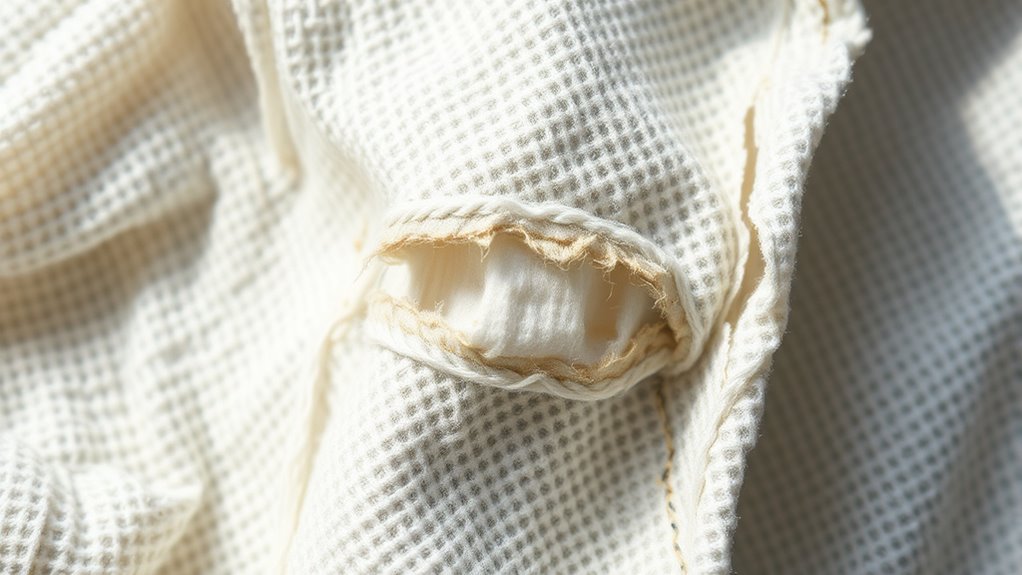
Cleaning cloths go through a continuous cycle from their initial use to disposal or reuse. As you start using a cloth, consider the materials it’s made from—ideally, sustainable materials that minimize environmental impact. Cloths crafted from organic cotton, bamboo, or recycled fabrics are excellent choices because they’re biodegradable and less harmful to the planet. When you choose eco-friendly options, you’re not just cleaning; you’re also supporting sustainable practices that reduce reliance on synthetic fibers and hazardous chemicals. After each use, you can evaluate whether the cloth still has life left or if it’s time to repair or repurpose it. With proper care, many cloths can be washed and reused multiple times, extending their lifecycle and decreasing waste.
Choose sustainable, biodegradable fabrics for cleaning cloths and extend their life through proper care and repair.
When cleaning your cloths, avoid harsh detergents that can degrade fibers and diminish their effectiveness. Instead, opt for eco-friendly detergents or simple natural solutions like vinegar or baking soda to keep them fresh and functional. Proper washing not only maintains their cleaning power but also helps prevent microbial buildup. If a cloth becomes stained or frayed, think about repairing it rather than tossing it away. Mending small tears or trimming frayed edges can give your cloth an extra lease on life. This approach aligns with a sustainable mindset, emphasizing reuse over disposal. Additionally, selecting durable materials can further extend the lifespan of your cleaning cloths.
Eventually, even the most durable cleaning cloths reach a point where repair isn’t feasible. When that happens, eco friendly disposal becomes essential. Instead of throwing your cloth into the trash, look for ways to compost biodegradable fabrics or recycle synthetic ones through specialized programs. Many sustainable materials are designed to break down naturally, reducing landfill waste and environmental pollution. By making conscious disposal choices, you’re actively reducing your ecological footprint. If composting isn’t an option, consider repurposing old cloths as cleaning rags for garden tools or craft projects, giving them a second purpose before finally discarding.
Throughout this cycle, your goal should be to maximize the lifespan of your cleaning cloths through repair and reuse, always mindful of sustainable materials and eco friendly disposal options. Each step you take—choosing the right fabrics, washing carefully, repairing when possible, and disposing responsibly—contributes to a more sustainable lifestyle. This mindful approach not only benefits the environment but also encourages a more economical and conscious way of maintaining cleanliness. By respecting the lifecycle of your cleaning cloths, you participate in a cycle that values reduction, reuse, and responsible disposal, making a positive impact on the planet with every cleaning task.

mioeco 20 Pack Reusable Kitchen Paper Towels, Organic Dish Cloths
- Eco-friendly Reusable Towels: Made from organic cotton to reduce waste
- High Absorbency: Effective for spills and cleaning tasks
- Soft Organic Cotton: Gentle on surfaces and delicate finishes
As an affiliate, we earn on qualifying purchases.
As an affiliate, we earn on qualifying purchases.
Frequently Asked Questions
How Do I Identify When a Cleaning Cloth Is Beyond Repair?
You’ll know a cleaning cloth is beyond repair when fiber degradation becomes obvious, making it rough or frayed, and it no longer feels sturdy. Additionally, if stain saturation persists despite washing or scrubbing, it suggests the fibers can’t fully absorb or release dirt anymore. When these signs appear, it’s best to replace the cloth, as trying to repair it won’t restore its cleaning effectiveness.
Can Cleaning Cloths Be Safely Recycled After Their Lifecycle Ends?
Yes, you can recycle cleaning cloths after their lifecycle ends, but it depends on your local recycling programs and material segregation policies. Check if your community accepts textiles or cleaning cloths in their recycling bins. If not, consider specialized recycling centers that handle textiles or repurpose materials. Always guarantee the cloths are clean and free from hazardous chemicals to prevent contamination and make the recycling process safe and effective.
What Are Eco-Friendly Methods to Extend the Life of Cleaning Cloths?
To extend the life of your cleaning cloths eco-friendly, opt for those made from biodegradable fibers, which naturally break down and last longer. Wash them with natural cleaning agents that are gentle yet effective, reducing wear and tear. Avoid harsh chemicals that damage fibers over time. Regularly cleaning and properly drying your cloths also help maintain their durability, ensuring you get the most use from them while minimizing environmental impact.
Are There Specific Cleaning Cloth Materials That Last Longer?
Like a trusty knight’s armor, synthetic fibers and natural fabrics both have their strengths. Synthetic fibers, such as microfiber, tend to last longer and resist wear better over time. Natural fabrics, like cotton or bamboo, are eco-friendly and durable if cared for properly, but may wear out faster. Choose wisely based on your cleaning needs—microfiber for longevity, natural fabrics for sustainability.
How Does Proper Storage Impact the Durability of Cleaning Cloths?
Proper storage considerably impacts your cleaning cloths’ durability. Keep them in a dry, well-ventilated area to prevent moisture buildup, which can cause mold and bacteria growth. Avoid storing cloths in damp or tightly sealed containers that trap humidity. By maintaining good storage conditions and controlling moisture, you extend the lifespan of your cloths, ensuring they stay clean, effective, and ready for reuse longer.
Conclusion
By repairing and reusing your cleaning cloths, you can substantially reduce waste—did you know that over 300 million pounds of textile waste end up in landfills each year? Embracing the lifecycle approach not only saves money but also benefits the environment. Next time your cloth shows signs of wear, consider fixing rather than discarding. Small changes like this can make a big difference in creating a more sustainable world—start extending your cloths’ life today!