
To keep your warehouse safe and efficient, regularly clean and inspect floors for cracks or hazards. Use sweepers and scrubbers to remove debris and stains, and mark wet areas with signs to prevent slips. Control dust by employing mists and HEPA vacuums, which protect equipment and improve air quality. Proper ongoing floor maintenance and dust management help extend equipment life and keep your workplace safe—continue to explore how you can achieve this effectively.

Get cleaning gear delivered free — and shop member deals
- Fast, free delivery on millions of items
- Access to Prime Big Deal Days deals on October 6–7
- Prime Video, Amazon Music and more included
Key Takeaways
- Develop a scheduled cleaning plan using industrial sweepers and mops to remove debris and prevent dust buildup.
- Implement dust suppression methods like mists and HEPA vacuums to reduce airborne dust and improve air quality.
- Regularly inspect floors for cracks or uneven spots, and perform prompt repairs to prevent hazards and equipment damage.
- Use non-slip mats and wet floor signs in moisture-prone areas to enhance safety and prevent slips.
- Maintain equipment performance by keeping floors clean and dust-free, reducing wear and prolonging machinery lifespan.

Maintaining a clean warehouse floor is essential for safety, efficiency, and overall productivity. When your floors are free of debris, dust, and spills, you create a safer environment for everyone working in the space. Warehouse safety depends heavily on proper floor maintenance because slip-and-fall accidents are among the most common hazards in warehouses. By regularly cleaning and inspecting your floors, you reduce the risk of accidents caused by slippery surfaces or hidden obstacles. Additionally, a clean floor helps prevent damage to equipment, which is crucial for equipment maintenance. Dust and debris can cause machinery to malfunction or wear out faster, resulting in costly repairs and downtime. Staying on top of floor cleanliness directly supports the longevity of your equipment and ensures it operates at peak performance.
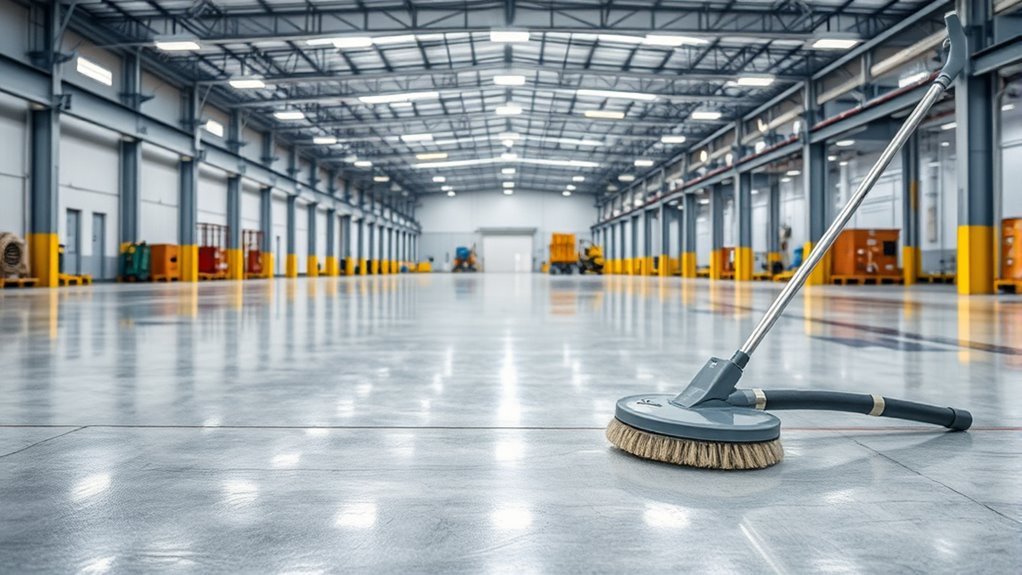
You should develop a routine cleaning schedule that targets high-traffic areas and zones prone to spills or dust accumulation. Using the right cleaning tools and methods is critical. Sweeping with industrial brooms or using sweepers can effectively remove loose debris, while mop or scrubber machines are better suited for deeper cleaning and removing stubborn stains. When cleaning, always prioritize safety. Make sure wet floors are clearly marked with signs, so employees can avoid slipping, and use non-slip mats in areas prone to moisture. Regularly inspecting your floors for cracks, holes, or uneven spots is equally important, as these can pose tripping hazards or cause damage to forklifts and pallet jacks. Addressing these issues promptly keeps your environment safe and minimizes equipment downtime caused by accidents. Implementing effective floor cleaning techniques can further enhance your maintenance efforts and prolong the life of your flooring.
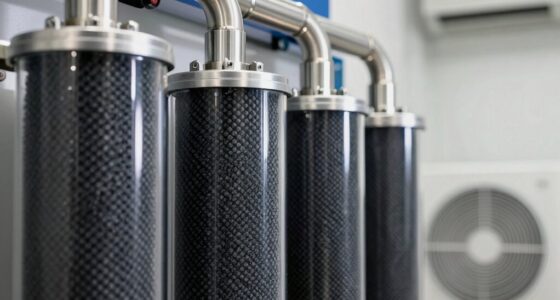
Dust control plays a considerable role in maintaining a safe warehouse. Dust can settle on equipment, storage racks, and walkways, creating slippery surfaces and increasing the risk of respiratory issues among workers. Implementing effective dust control measures, such as using dust suppression mists or HEPA-filter vacuums, can notably reduce airborne dust and keep the floor surface cleaner for longer periods. When dust accumulates, it can interfere with sensor readings on machinery, leading to inaccurate measurements or malfunctions. This makes consistent dust management an integral part of equipment maintenance. Besides, a dust-free environment boosts overall safety by improving visibility and reducing the chance of slips or falls caused by dust-covered surfaces.
As an affiliate, we earn on qualifying purchases.
Frequently Asked Questions
How Often Should Warehouse Floors Be Cleaned for Optimal Dust Control?
You should clean your warehouse floors at least once a week to maintain ideal dust control. Regular cleaning reduces dust accumulation, preventing it from settling and becoming airborne. If your warehouse handles dusty materials or experiences high foot or equipment traffic, consider increasing cleaning frequency to two or three times a week. Consistent cleaning ensures a safer, cleaner environment, reduces health risks, and keeps your warehouse compliant with safety standards.
What Are the Best Cleaning Methods for Different Warehouse Floor Materials?
You should choose cleaning methods based on your warehouse floor material. For concrete floors, use industrial sweepers regularly to remove dust and debris, and apply concrete sealants to prevent dust from penetrating the surface. If you have epoxy or tile floors, gentle mopping with appropriate cleaners works best. Always guarantee you’re using equipment suited to your floor type to maintain cleanliness and prolong floor lifespan effectively.
How Do I Choose Environmentally Friendly Cleaning Products?
You should look for cleaning products with eco-friendly ingredients that are safe for the environment and your staff. Check for certification standards like Green Seal or EPA Safer Choice, which guarantee the products meet strict environmental and safety criteria. Avoid harsh chemicals, and opt for biodegradable, non-toxic options whenever possible. This approach helps reduce your warehouse’s environmental impact while maintaining a clean, safe workspace.
Can Regular Cleaning Extend the Lifespan of My Warehouse Flooring?
While neglecting your floors might seem harmless, regular cleaning actually extends their lifespan by preventing dust accumulation and damage. Proper floor maintenance removes debris that can cause scratches or deterioration over time. Think of cleaning as both preservation and protection—it reduces wear and tear, keeping your warehouse floors durable longer. Consistent care guarantees your surfaces stay in top condition, avoiding costly repairs and maintaining a safe, efficient environment for everyone.
What Safety Precautions Are Necessary During Floor Cleaning Procedures?
During floor cleaning, you should wear personal protective equipment like gloves, goggles, and non-slip footwear to prevent injuries. Make sure to follow hazard communication protocols by clearly labeling cleaning chemicals and informing staff about potential risks. Keep the area well-ventilated, and use proper signage to warn others of wet floors. These precautions help guarantee your safety and the safety of everyone nearby during cleaning procedures.
Conclusion
Keeping your warehouse clean means maintaining safety, boosting efficiency, and protecting your team. Regularly sweeping, mopping, and dusting prevents hazards, reduces wear and tear, and creates a healthier environment. When you prioritize cleanliness, you guarantee safety, enhance productivity, and show your team you care. Clean floors aren’t just about appearance—they’re about care, safety, and success. Make dust control a priority, and watch your warehouse thrive, because a clean space is a safe space.
Halloween Picks
halloween
As an affiliate, we earn on qualifying purchases.