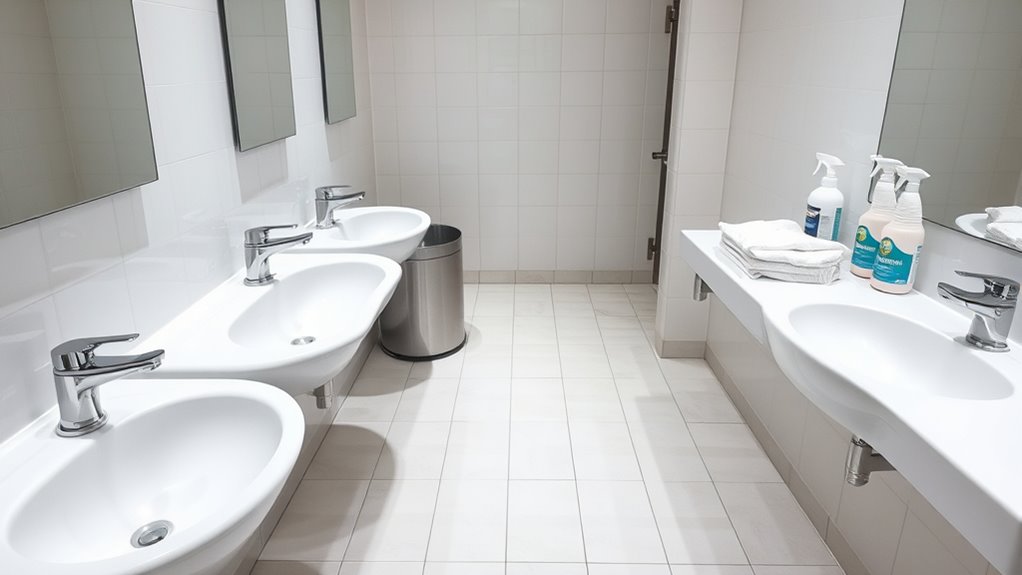

To maintain a clean and sanitary commercial restroom, you should implement regular cleaning schedules focusing on high-touch surfaces like door handles, faucets, and light switches using effective disinfectants such as quaternary ammonium compounds or alcohol-based cleaners. Always wear protective gear, follow manufacturer instructions, and document your procedures. Proper ventilation and deep cleaning in high-traffic areas are also essential. Staying consistent with these practices guarantees safety—continue to learn how to optimize your sanitation routine.
Key Takeaways
- Regularly clean and disinfect high-touch surfaces like door handles, faucets, and light switches using EPA-approved disinfectants.
- Schedule deep cleaning sessions for all restroom surfaces, including vents and exhaust fans, with proper ventilation during and after cleaning.
- Utilize disposable or microfiber cloths that are sanitized after each use, and ensure staff wear gloves and protective gear during cleaning.
- Maintain detailed logs of cleaning schedules, products used, and staff training to ensure compliance with health standards.
- Promote thorough hand hygiene by providing accessible soap, water, hand sanitizers, and encouraging proper handwashing techniques among staff and visitors.

Maintaining clean and sanitary restrooms is essential for health and safety, especially in public or shared spaces. One of the most critical aspects of restroom cleanliness is promoting proper hand hygiene. Ensuring that users can clean their hands effectively reduces the spread of germs and prevents illnesses. You should provide accessible handwashing stations equipped with soap, water, and hand dryers or paper towels. When soap and water aren’t available, consider installing hand sanitizer dispensers containing at least 60% alcohol. Regularly encouraging staff and visitors to wash their hands thoroughly helps maintain a hygienic environment. Incorporating somatic therapy techniques, such as mindful breathing, can also help staff manage stress and stay attentive to sanitation protocols. Using the right disinfectant types plays a vital role in keeping restrooms safe. You need to select disinfectants that are proven effective against a broad spectrum of bacteria and viruses, including norovirus, influenza, and COVID-19. Common disinfectant types include quaternary ammonium compounds, bleach-based solutions, and alcohol-based cleaners. Each has specific advantages; for example, bleach is highly effective for disinfecting toilets, sinks, and floors, but it can be corrosive and should be used carefully. Quaternary ammonium compounds are less harsh and suitable for frequent use on surfaces like countertops and fixtures. Alcohol-based disinfectants are quick-drying and useful for disinfecting smaller items like door handles and faucet fixtures. Always follow manufacturer instructions for dilution and contact time to maximize effectiveness. A thorough restroom cleaning protocol involves regularly scheduled cleaning routines that focus on high-touch surfaces such as door handles, light switches, faucet handles, and toilet flush levers. These surfaces accumulate germs rapidly, so disinfecting them multiple times a day is essential. When cleaning, use disposable cleaning cloths or microfiber cloths that can be sanitized after each use. Properly trained staff should wear gloves and other protective gear to avoid cross-contamination, and disposal of contaminated materials must adhere to safety guidelines. In addition to routine cleaning, deep cleaning should be scheduled regularly, especially in high-traffic areas. This process includes disinfecting all surfaces, cleaning vents and exhaust fans, and thoroughly sanitizing floors. Proper ventilation during and after cleaning helps reduce airborne germs. To guarantee compliance with health standards, keep detailed logs of cleaning schedules and products used, and educate staff on the importance of consistent, thorough sanitation practices. By focusing on effective hand hygiene practices and selecting appropriate disinfectant types, you can maintain a restroom environment that’s safe, clean, and welcoming for everyone.
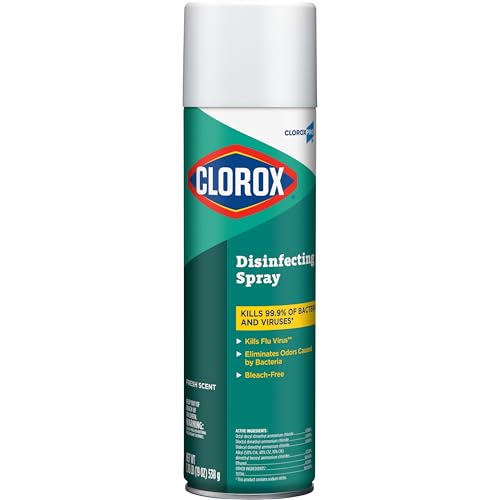
Clorox Commercial Solutions Disinfecting Cleaner – 19 Ounce Spray Can (Pack of 1)
DISINFECTING SPRAY: Clean and deodorize high-traffic areas with Clorox Disinfecting Spray that kills more than 50 bacteria, viruses…
As an affiliate, we earn on qualifying purchases.
As an affiliate, we earn on qualifying purchases.
Frequently Asked Questions
How Often Should High-Touch Surfaces Be Disinfected?
You should disinfect high-touch surfaces at least hourly to maintain ideal touchpoint frequency and prevent contamination. Regular cleaning reduces the risk of germs spreading, especially in busy restrooms. Focus on door handles, faucets, flush handles, and soap dispensers. By consistently disinfecting these surfaces, you guarantee a cleaner environment and safeguard health. Remember, increasing touchpoint frequency during peak times further enhances contamination prevention efforts.
What Cleaning Products Are Safest for Restroom Environments?
You need the safest cleaning products for restroom environments, because even a tiny mistake can cause a disaster! Look for products with gentle, non-toxic ingredients like plant-based cleaners and avoid harsh chemicals. These help control restroom odor effectively without risking health. By choosing cleaning products with safe ingredients, you guarantee a healthier space that smells fresh and remains sanitized, protecting everyone who uses the restroom.
How to Handle Urgent Restroom Contamination Incidents?
When urgent restroom contamination occurs, act quickly to protect everyone from biological hazards. Wear appropriate personal protective equipment, such as gloves and masks, and follow contamination protocols to contain the spread. Isolate the contaminated area and notify your supervisor immediately. Use proper disinfectants to sanitize all affected surfaces thoroughly. Confirm waste is safely disposed of, and document the incident. Prompt, correct action minimizes health risks and maintains a safe environment.
Are There Any Eco-Friendly Restroom Cleaning Options?
Yes, there are eco-friendly restroom cleaning options you can use. You can opt for biodegradable detergents that break down naturally, reducing environmental impact. Waterless cleaning methods are also effective, minimizing water usage while maintaining hygiene. These sustainable choices help you keep restrooms clean without harming the planet. Incorporate biodegradable detergents and waterless cleaning into your routine to promote eco-conscious practices and support environmental health.
What Training Is Necessary for Restroom Cleaning Staff?
You’ll want your staff to earn proper certification to guarantee they handle restroom cleaning safely and efficiently. Training should cover essential safety procedures, like proper chemical use and hygiene practices, to prevent mishaps. Think of it as arming them with a superhero cape—except instead of saving the world, they’re saving your bathroom from chaos. Well-trained staff boost cleanliness and safety, making your restroom a less horrifying place to visit.

USANOOKS Microfiber Cleaning Cloth Grey – 12 Pcs (12.5"x12.5") – High Performance – 1200 Washes, Ultra Absorbent Microfiber Towel Weave Grime & Liquid for Streak-Free Mirror Shine – Car Washing Cloth
10x GRIP-ROOT WEAVE – TRAP MORE, WORK LESS: Ultra-absorbent microfiber towels for car Grip Root weave works like…
As an affiliate, we earn on qualifying purchases.
As an affiliate, we earn on qualifying purchases.
Conclusion
By following these restroom cleaning protocols, you guarantee a space that’s safe and sanitary. Think of cleanliness as your shield against germs, while neglect leaves vulnerabilities exposed. Like a well-maintained fortress, a spotless restroom protects everyone who enters. Don’t underestimate the power of your efforts; a quick wipe or disinfect can make all the difference. Stay vigilant and thorough—because a clean restroom isn’t just about appearance, it’s about health and safety for all.
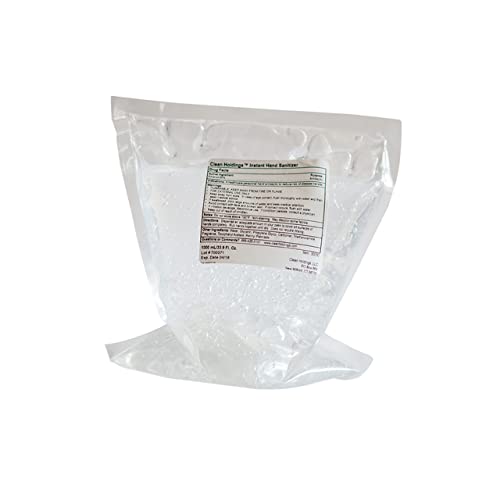
Zogics Hand Sanitizer Dispenser Refill – 60% Alcohol Hand Sanitizer Gel Refill Containers, 1000 mL Refill, Designed Hand Sanitizer Dispenser or All-in-One Wipe Dispenser (Case of 8)
CLINICALLY PROVEN HAND SANITIZER FOR WOMEN, MEN, & CHILDREN: This hand sanitizer liquid gel is clinically proven to…
As an affiliate, we earn on qualifying purchases.
As an affiliate, we earn on qualifying purchases.

Rubber Cleaning Gloves for Dishwashing, 4 Pairs Reusable Kitchen Gloves for Washing Dishes and Household Cleaning, Colorful Dish Gloves with Flocked Lining and Non-Slip Grip, Pefect for Woman Men – M
Your Reliable Cleaning Companion: Our cleaning gloves are made of premium, skin-friendly natural rubber. Whether you're washing dishes…
As an affiliate, we earn on qualifying purchases.
As an affiliate, we earn on qualifying purchases.