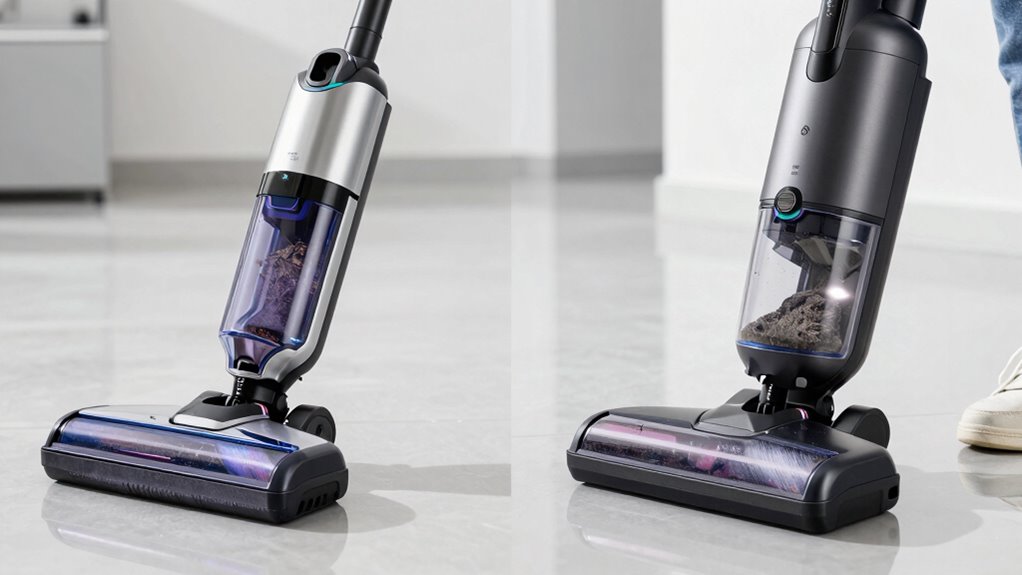

If you want to reduce downtime, bagless vacuums can be faster to empty since you can just release the canister immediately, avoiding delays from replacing bags. However, they often need more frequent maintenance, like filter cleaning, which can disrupt workflow. Bagged units might take a little longer to empty but offer less maintenance and better dust containment, making them reliable for continuous operation. Keep exploring to find out which system best suits your specific needs.
Key Takeaways
- Bagless vacuums allow immediate debris disposal, reducing downtime compared to waiting for bag replacements in bagged models.
- Bagged vacuums minimize dust escape during disposal, decreasing cleanup time and operational interruptions.
- Bagless units require regular filter cleaning and canister emptying, which may increase maintenance frequency and downtime.
- Bagged vacuums typically need less maintenance, leading to less interruption during routine use.
- Quick debris disposal in bagless models enhances workflow efficiency but may involve more frequent cleaning tasks.
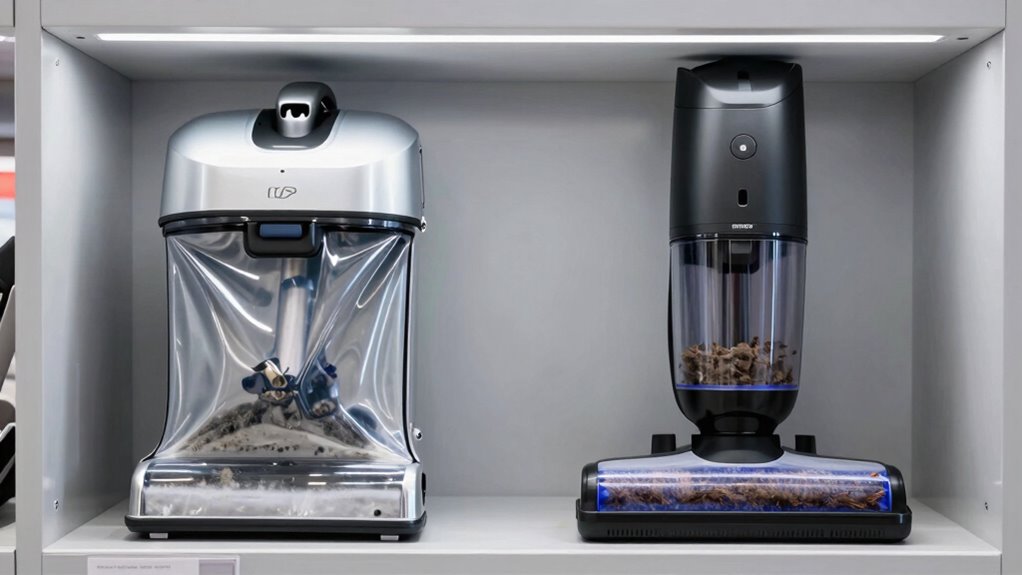
When choosing a commercial vacuum, understanding the differences between bagged and bagless models is essential. One of the key considerations is how each setup impacts your workflow and downtime. Bagged vacuums typically feature a sealed system that traps dust and debris inside a replaceable bag. This design often provides superior air filtration, as the bags are usually equipped with HEPA filters or similar media that capture tiny particles. If your workspace requires maintaining high air quality, especially around sensitive equipment or allergy-prone individuals, a bagged vacuum might be the better choice. Additionally, bagged units tend to produce lower noise levels during operation, making them more suitable for environments where minimizing disruption is a priority. Proper air filtration is crucial in environments sensitive to dust and allergens, further emphasizing the benefits of bagged models.
Bagged vacuums offer superior air filtration and quieter operation, ideal for maintaining high air quality and reducing noise disruption.
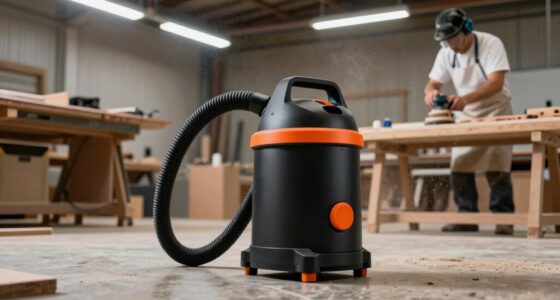
On the other hand, bagless models use a transparent container that you empty when full. This setup offers the convenience of immediate debris disposal without waiting for bag replacements, which can reduce downtime. However, because the debris is stored in a canister that’s often exposed during emptying, air filtration might not be as effective as with bagged systems. Dust and allergens can escape into the air if the canister isn’t emptied carefully, potentially affecting air quality and requiring more frequent cleaning of the surrounding area. Noise levels can also vary with bagless vacuums; some models generate more sound during operation due to the design and airflow, which might be a concern in quieter work environments. The maintenance requirements for bagless systems are typically higher because of this need for regular filter cleaning and replacement. Moreover, the dust containment in bagless vacuums can sometimes be less reliable, leading to increased cleanup efforts.
Choosing between the two setups involves weighing how much you value air filtration against the convenience of quick debris disposal. Bagged vacuums generally excel in maintaining cleaner air and reducing airborne dust, leading to less cleanup and fewer interruptions. They’re ideal for environments where air quality is vital, and minimizing noise is beneficial. Conversely, if your priority is rapid debris removal with minimal downtime, a bagless model might suit your needs better, provided you’re prepared for potentially higher noise levels and more frequent cleaning of the filter canister.
Ultimately, both setups have their advantages and drawbacks. If reducing downtime is your main concern, consider how each system handles debris disposal and air filtration. Bagged vacuums tend to be more efficient at containing dust and maintaining a quieter operation, which can considerably cut down on cleaning and maintenance interruptions. Meanwhile, bagless models offer the quick, hassle-free emptying process, but may introduce more airborne dust and noise, potentially leading to increased downtime for cleaning and air filtration management. Your choice should align with your specific workspace needs, prioritizing air quality, noise levels, and operational efficiency.

Oreck Commercial XL Vacuum Cleaner, Bagged Upright Vac for Carpets and Hard Floor, Lightweight, Automatic Height Adjust, High-Speed Brush Roll, Powerful Vacuum Cleaners for Commercial Use
COMMERCIAL CLEANING POWER: Featuring powerful suction, this Oreck Commercial Upright Vacuum Cleaner lifts and removes deeply embedded dirt…
As an affiliate, we earn on qualifying purchases.
As an affiliate, we earn on qualifying purchases.
Frequently Asked Questions
How Do Maintenance Costs Compare Between Bagged and Bagless Vacuums?
You’ll find maintenance costs vary between bagged and bagless vacuums. Bagged models often have lower filter replacement costs but require purchasing new bags regularly. Bagless vacuums tend to have higher filter replacement expenses, especially if the filters are reusable but need frequent cleaning. Additionally, bagless units may consume more power during filter cleaning. Overall, consider your budget for filter replacement and power consumption to determine which setup minimizes your maintenance costs.
Are Bagless Vacuums More Environmentally Friendly Than Bagged Models?
Bagless vacuums are generally more environmentally friendly because they reduce waste and recycling benefits by eliminating disposable bags. You avoid contributing to landfill waste and can often recycle the filters and parts more easily. However, they might emit more chemical emissions if filters aren’t maintained properly, affecting air quality. Overall, with proper care, bagless models promote sustainability, but regular maintenance is key to minimizing emissions.
Which Vacuum Type Offers Better Air Quality for Allergy Sufferers?
Think of your vacuum as a fortress for allergens. Bagged vacuums with HEPA filtration excel at allergen containment, trapping tiny particles and preventing them from escaping back into the air. I’ve seen allergy sufferers breathe easier with bagged models, especially those with sealed systems. If air quality matters most, a bagged vacuum with HEPA filters offers better protection, reducing allergen exposure and helping you breathe more comfortably.
How Does User-Friendliness Differ Between Bagged and Bagless Setups?
You’ll find bagless vacuums more user-friendly because they let you see when the dustbin is full, making dust disposal straightforward. You just open the canister, empty it, and continue cleaning. Bagged models often require filter replacement and bag changes, which can be messier and less convenient. With bagless, you avoid ongoing filter replacements, saving time and effort. Overall, bagless setups offer a simpler, more intuitive experience for quick maintenance.
What Is the Typical Lifespan of a Bagged Versus Bagless Vacuum?
You can expect a bagged vacuum to last around 8-10 years, thanks to its larger dust capacity and less frequent replacement needs. Bagless vacuums typically have a shorter lifespan of about 5-7 years because their filters and cyclones require more regular maintenance and replacement. Proper care extends your vacuum’s life, but the durability largely depends on usage and maintenance habits.
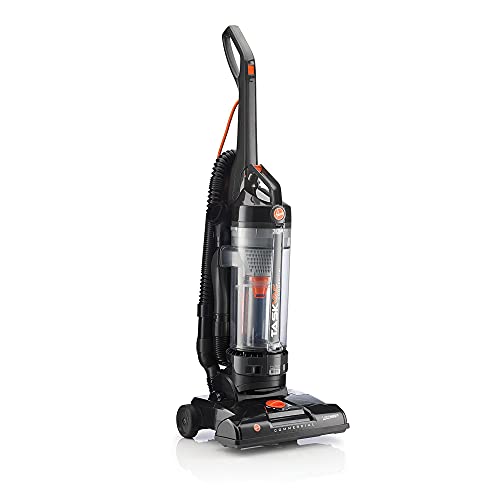
Hoover Commercial TaskVac Bagless Upright Vacuum Cleaner, Furniture Guard Lightweight HEPA Filtered Professional Grade Long-Lasting, 15 Pounds 35-Foot Long Cord, CH53010, Black
EASY CHANGE BRUSHROLL & BELT: Spend less time on maintenance. Flip two levers to change the belt or…
As an affiliate, we earn on qualifying purchases.
As an affiliate, we earn on qualifying purchases.
Conclusion
So, whether you prefer the hassle of changing bags or the thrill of emptying a canister, both setups promise to keep your downtime interesting. Ironically, the very feature meant to save time might just keep you busy longer. In the end, it’s all about what suits your style—because, in the world of commercial vacuums, neither option truly wins the race; they just take turns leading you on. Happy cleaning!
Oreck Commercial XL Vacuum Cleaner, Bagged Upright Vac for Carpets and Hard Floor, Lightweight, Automatic Height Adjust, High-Speed Brush Roll, Powerful Vacuum Cleaners for Commercial Use
COMMERCIAL CLEANING POWER: Featuring powerful suction, this Oreck Commercial Upright Vacuum Cleaner lifts and removes deeply embedded dirt…
As an affiliate, we earn on qualifying purchases.
As an affiliate, we earn on qualifying purchases.
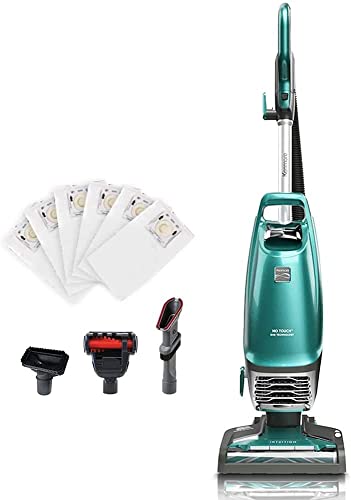
Kenmore Intuition Bagged Upright Vacuum Lift-Up Carpet Cleaner 2-Motor Power Suction with HEPA Filter, 3-in-1 Combination Tool, HandiMate for Floor, Pet Hair, 14pounds, Green
Lift-Up enables versatile handheld freedom to clean above floors and stairs. Simply press a button to lift away…
As an affiliate, we earn on qualifying purchases.
As an affiliate, we earn on qualifying purchases.