Air purifiers are helpful for improving indoor air quality, but they don’t replace your regular cleaning routines. They can reduce dust, pollen, and pet dander, but they can’t remove dirt, grime, or sticky messes from surfaces, floors, or kitchens. Physical cleaning is essential to eliminate bacteria, mold, and large debris that air purifiers can’t reach. To keep your home truly clean and healthy, you need both air purifiers and regular cleaning—stick around to find out more.

Get cleaning gear delivered free — and shop member deals
- Fast, free delivery on millions of items
- Access to Prime Big Deal Days deals on October 6–7
- Prime Video, Amazon Music and more included
Key Takeaways
- Air purifiers improve air quality but cannot remove surface dirt, grime, or stains effectively.
- They do not replace physical cleaning tasks like vacuuming, mopping, or wiping surfaces.
- Surface contaminants, allergens, and bacteria require manual cleaning for complete removal.
- Relying solely on air purifiers leaves physical dirt and mold buildup unaddressed.
- Combining air purifiers with regular cleaning ensures a healthier, cleaner home environment.
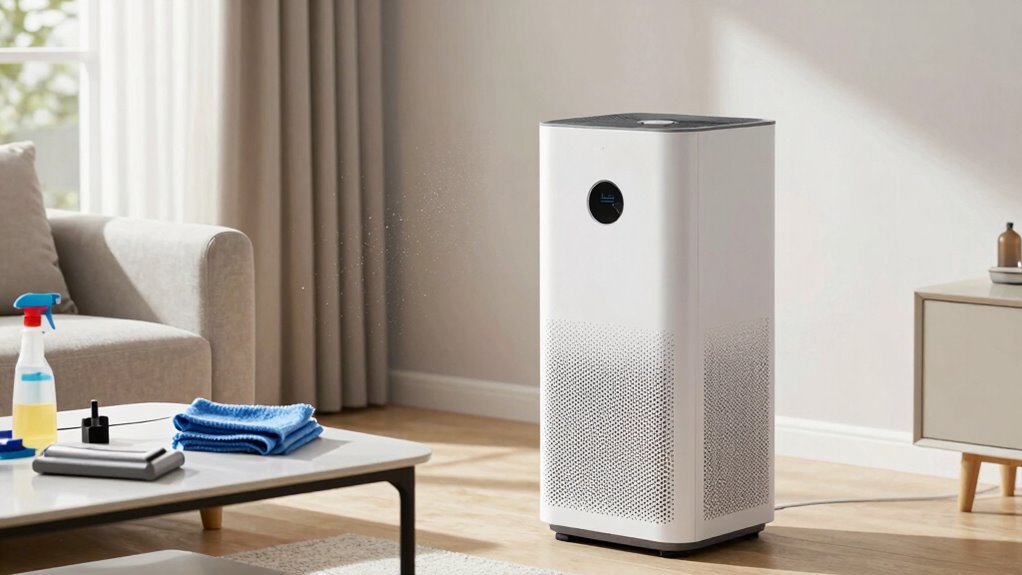
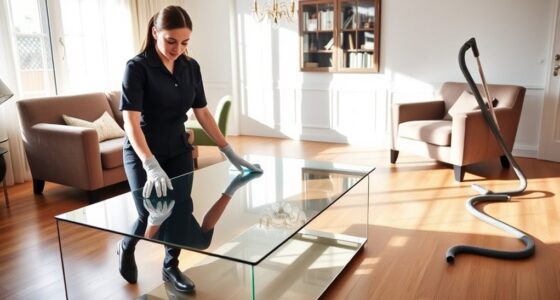
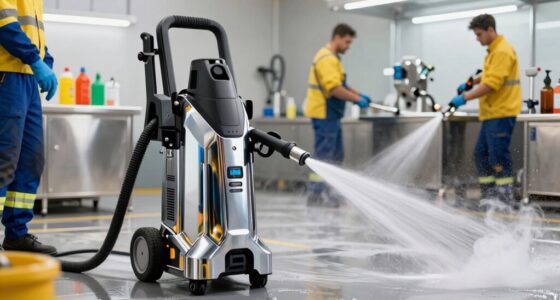
Many people wonder if air purifiers can replace traditional cleaning routines, but the truth is that they serve different purposes. While air purifiers are great at reducing airborne pollutants like dust, pollen, pet dander, and some bacteria, they aren’t magic solutions that eliminate all dirt and germs from your home. That’s because air purifier limitations prevent them from tackling everything that traditional cleaning addresses. For example, they can’t remove dirt buildup on surfaces, clean your floors, or scrub away greasy kitchen messes. Without physical cleaning, dust and grime can accumulate in places where air purifiers can’t reach, making your environment less clean overall.
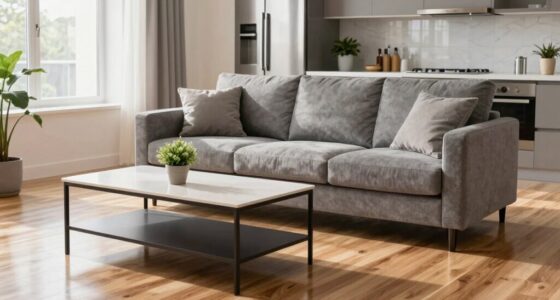
This highlights the cleaning importance that air purifiers simply can’t replace. Regular cleaning involves wiping surfaces, vacuuming carpets, mopping floors, and cleaning upholstery—tasks essential to removing visible dirt, bacteria, and allergens that settle on surfaces. These activities prevent mold growth, reduce dust buildup, and keep your home looking and smelling fresh. Air purifiers, on the other hand, work best when the air is already relatively clean; they aren’t designed to remove large debris or stains. If you rely solely on an air purifier, you might notice dust still settling on furniture or sticky spots lingering on counters. That’s because removing airborne particles isn’t enough to maintain a truly clean home.
Furthermore, air purifier limitations mean they’re only part of an overall cleaning strategy. They don’t replace the need for dusting, vacuuming, or deep cleaning. Dirt and allergens often cling to surfaces, and without physical removal, they continue to pose health risks. For example, pet hair and dander can stick to furniture and carpets, and greasy kitchen residues can build up over time. These issues require manual cleaning methods. Over time, neglecting these routines can lead to a buildup of grime and allergens that even the best air purifier can’t handle on its own. Additionally, understanding the limitations of air purifiers helps ensure a comprehensive approach to maintaining a healthy environment. Recognizing the physical cleaning aspect is crucial for a holistic approach to home hygiene.
In short, while air purifiers are valuable tools for improving indoor air quality, they are not substitutes for traditional cleaning. Understanding their limitations helps you maintain a healthier, cleaner environment. Regular cleaning routines are essential for eliminating dirt, controlling bacteria, and preventing mold—all indispensable for a safe and comfortable home. Using an air purifier alongside your regular cleaning schedule maximizes benefits, but relying solely on one or the other will leave gaps in cleanliness and air quality. Incorporating proper cleaning techniques ensures a more thorough and effective approach to home hygiene. Additionally, maintaining good hygiene habits contributes to overall health and well-being. Remember that consistent home maintenance is key to preventing the buildup of pollutants and ensuring a truly clean space.
HEPA air purifier for dust and allergens
As an affiliate, we earn on qualifying purchases.
As an affiliate, we earn on qualifying purchases.
Frequently Asked Questions
Can Air Purifiers Eliminate All Types of Indoor Pollutants?
Air purifiers can greatly reduce many indoor pollutants, but they can’t eliminate all types. They are effective against dust, pollen, and airborne bacteria, but don’t address things like mold growth or chemical fumes completely. Indoor plant benefits include natural air filtering and humidity regulation, complementing your air purifier. Keep in mind, some air purifier noise might be bothersome, especially during sleep or quiet activities, so choose a quiet model for comfort.
How Often Should I Replace the Filters in My Air Purifier?
Think of your air purifier’s filters as the heart of the device; you need to keep them in top shape. You should replace filters every 3 to 6 months, depending on usage and air quality. Regular filter maintenance extends your device’s lifespan and guarantees it runs efficiently. Don’t wait for it to become a paperweight—timely replacements keep your air clean and your purifier working at its best.
Do Air Purifiers Help With Removing Odors Completely?
Air purifiers can help reduce odors, but they don’t completely eliminate them due to their limitations. They mainly trap particles and neutralize some smells, but odors from strong sources like smoke or pet accidents may linger because of air purifier limitations. Avoid relying solely on them; regular cleaning and odor masking methods, such as ventilation and cleaning surfaces, are essential to fully remove persistent smells.
Are Air Purifiers Effective Against Bacteria and Viruses?
Air purifiers can help reduce bacteria and viruses, but they aren’t foolproof. For example, a study showed that HEPA filters can trap airborne viruses, improving virus protection indoors. However, air purifier limitations mean they don’t eliminate all pathogens, especially those on surfaces or in direct contact. You should still clean regularly, as purifiers mainly improve air quality and provide some level of virus protection, not complete sterilization.
Can Air Purifiers Reduce Allergy Symptoms Effectively?
Air purifiers can markedly improve your air quality and provide allergy relief by trapping airborne allergens like pollen, pet dander, and mold spores. When you run an effective purifier with HEPA filters, you’ll notice fewer allergy symptoms. However, they shouldn’t replace regular cleaning. Combining both cleaning and air purification creates a healthier environment, reducing allergens and improving overall air quality for a more comfortable, allergy-free space.
Conclusion
Remember, air purifiers are like a fancy hat—they add style but don’t replace the whole outfit. They can improve your air quality, but they’re no substitute for regular cleaning. Think of them as allies in your fight against dust and allergens, not the entire army. To truly breathe easier, keep up with cleaning chores, vacuuming, and dusting. Together, they form a team that keeps your home fresh and healthy—like a breath of spring air.
Fall Picks
fall essentials
As an affiliate, we earn on qualifying purchases.