
Carpet dry time depends on more than just the cleaning machine because environmental factors like fiber type, indoor climate, ventilation, and temperature also influence drying speed. Natural fibers like wool absorb more moisture and take longer to dry, while synthetic fibers release water faster. Proper airflow and controlling humidity boost evaporation, speeding up the process. Managing these conditions can make a big difference—stick around to discover how to optimize your carpet’s dry time effectively.

Get cleaning gear delivered free — and shop member deals
- Fast, free delivery on millions of items
- Access to Prime Big Deal Days deals on October 6–7
- Prime Video, Amazon Music and more included
Key Takeaways
- Carpet fiber type and moisture absorption rates influence how long it takes to dry after cleaning.
- Indoor temperature and humidity levels significantly affect evaporation and drying speed.
- Proper ventilation and air circulation remove moisture and promote faster, more uniform drying.
- Environmental conditions, such as humidity and airflow, can enhance or hinder the effectiveness of drying equipment.
- Managing indoor climate conditions is essential for optimizing drying time beyond the cleaning machine’s capabilities.
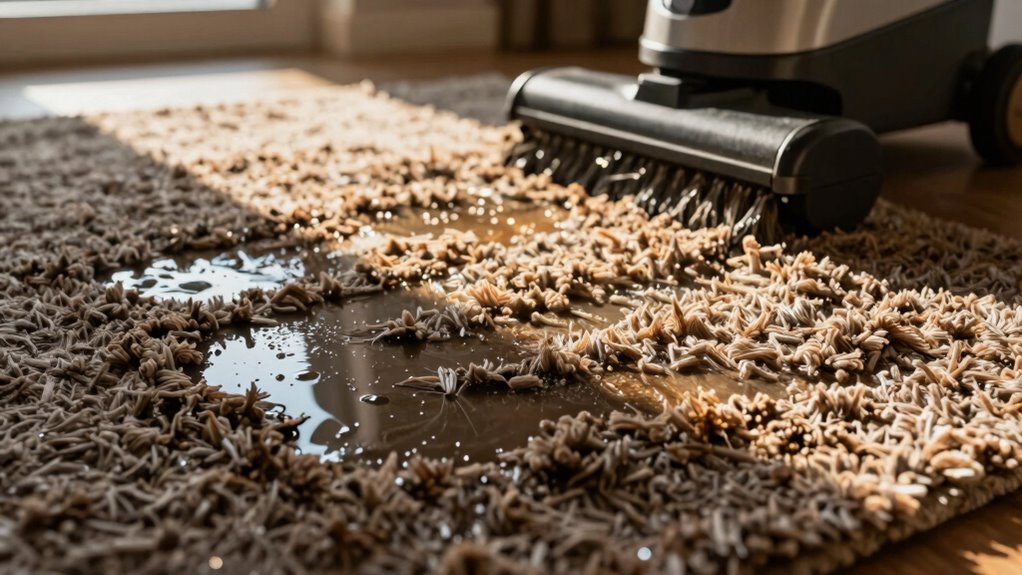
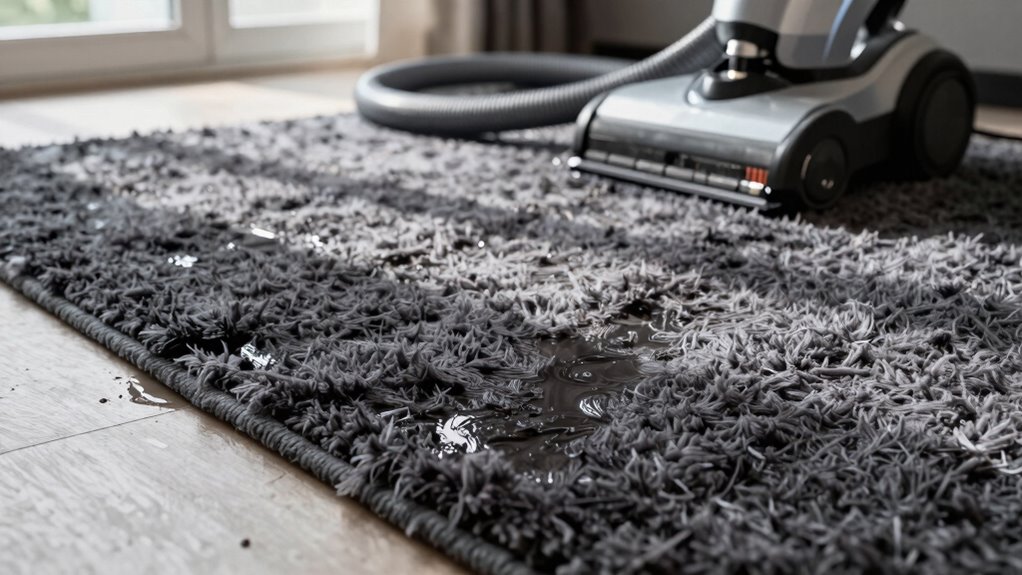
Have you ever wondered why your carpet takes longer to dry after cleaning, even when you’re using a powerful machine? The answer lies beyond just the equipment; factors like fiber absorption and humidity levels play vital roles. Understanding these elements helps you grasp why some carpets dry faster than others, regardless of the cleaning method. For example, fiber type significantly influences moisture retention, as natural fibers tend to absorb more water than synthetic ones. Fiber absorption is a key factor because different carpet fibers soak up water differently. Natural fibers like wool and cotton tend to absorb more moisture compared to synthetic fibers such as nylon or polyester. When you clean, the fibers act like sponges, drawing in water. If your carpet has highly absorbent fibers, it will hold onto moisture longer, extending the dry time. Conversely, synthetic fibers generally release water more quickly, leading to a faster drying process. Knowing your carpet’s fiber type can give you a better idea of what to expect and how to manage drying times effectively. Additionally, indoor climate conditions such as temperature and humidity can either accelerate or hinder the drying process. Humidity levels in the environment also heavily influence how long your carpet stays wet. When the air is humid, it already contains a high amount of moisture, which hampers the evaporation process. The moisture from your carpet has a harder time escaping into the air, prolonging the dry time. On the other hand, in a low-humidity setting, the air can absorb more moisture, speeding up evaporation. This is why drying times can vary depending on weather conditions or indoor climate control. If you notice your carpet staying wet longer than expected, check the room’s humidity levels. Using dehumidifiers or increasing air circulation with fans can greatly reduce drying time. Proper ventilation not only helps to remove excess moisture but also prevents mold growth and unpleasant odors. In addition, proper drying techniques, such as using high-powered extraction and ensuring even airflow, can significantly influence how quickly your carpet dries. Temperature works hand in hand with humidity, too. Warmer air holds more moisture, which can either speed up or slow down drying, depending on the humidity. If it’s hot and dry, your carpet will dry faster. But if it’s hot and humid, the moisture will linger longer. ventilation is also essential. Good airflow helps to replace saturated air with drier air, making the evaporation process more efficient. Even if your cleaning equipment is excellent, poor environmental conditions can undermine its effectiveness, leading to longer dry times. Therefore, managing indoor climate conditions is crucial for quick drying.
As an affiliate, we earn on qualifying purchases.
Frequently Asked Questions
How Does Carpet Fiber Type Affect Drying Time?
Your carpet fiber type greatly influences drying time because different fibers have unique fiber durability and colorfastness properties. For example, natural fibers like wool absorb more water, prolonging drying, while synthetic fibers like nylon dry faster. Understanding these traits helps you anticipate drying times and choose appropriate cleaning methods. Knowing the fiber’s durability and colorfastness ensures you don’t damage the carpet during cleaning, leading to a quicker, safer dry.
Can Humidity Levels Prolong Carpet Drying?
Humidity levels can dramatically prolong your carpet’s drying time, making it feel like forever before it’s completely dry. When humidity is high, moisture in the air hinders evaporation, defeating your drying efforts. This impacts drying efficiency, causing carpets to stay damp much longer than usual. To speed up drying, use dehumidifiers or increase airflow. Otherwise, high humidity turns drying into an exhausting, slow process that leaves you waiting endlessly.
Does Carpet Thickness Influence Dry Time?
Yes, carpet thickness influences dry time. Thicker carpets contain more fibers and padding, which trap moisture longer, delaying drying. This extended dry time helps preserve color retention and stain resistance, ensuring your carpet stays vibrant and resistant to stains. You’ll notice that thicker carpets need more patience after cleaning, but the extra drying time ultimately enhances their durability and appearance, keeping your space looking fresh and protected.
How Do Room Ventilation Options Impact Drying Speed?
Imagine a hurricane of fresh air rushing through your room—that’s how room ventilation options can dramatically speed up drying. Airflow patterns from fans, open windows, or vents create a relentless windstorm that pulls moisture out faster. Using effective ventilation techniques, you can turn your space into a drying tornado, reducing waiting time from hours to mere minutes. Proper airflow is your secret weapon for quick, efficient carpet drying.
What Role Does Carpet Age Play in Drying Duration?
Carpet age influences drying time because older carpets often have more wear, making them absorb and retain moisture longer. If your carpet has a darker color or stain-resistant treatment, it might also affect drying, as these features can alter how moisture is released. You’ll notice that newer carpets tend to dry faster, especially if their stain resistance helps prevent deep absorption, while older, worn carpets may hold moisture longer, delaying complete drying.
Conclusion
Just like a master chef knows that the perfect dish depends on more than just the ingredients, your carpet’s dry time hinges on many factors beyond the cleaning machine. By understanding and managing humidity, ventilation, and proper techniques, you govern the outcome. Think of it as tending a delicate garden—patience and care ensure lush, vibrant results. So, don’t rush the process; instead, embrace the journey to a cleaner, drier, and more inviting space.
Evergreen bestsellers Picks
bestsellers
As an affiliate, we earn on qualifying purchases.