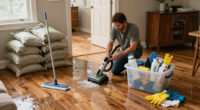
You might think that a space looking clean means it’s safe, but visual cleanliness only concerns how things appear. It focuses on making surfaces shiny and tidy without removing hidden germs or bacteria. Hygienic cleaning, however, targets germs we can’t see and uses disinfectants to guarantee safety. Just because something looks spotless doesn’t mean it’s free of health risks. Understanding the difference helps you create a truly clean and safe environment—keep exploring to learn more.

Get cleaning gear delivered free with Prime
- Fast, free delivery on millions of items
- Prime Video, Amazon Music and more included
- Member-only deals all year
Key Takeaways
- Visual clean emphasizes appearance, while hygienic clean focuses on eliminating germs and pathogens.
- A surface can look spotless but still harbor bacteria and viruses.
- Disinfectants and thorough scrubbing are essential for hygienic cleaning, not just surface shine.
- Visual cleaning masks underlying hygiene issues, risking health safety.
- Both cleaning types are necessary for a truly safe and healthy environment.
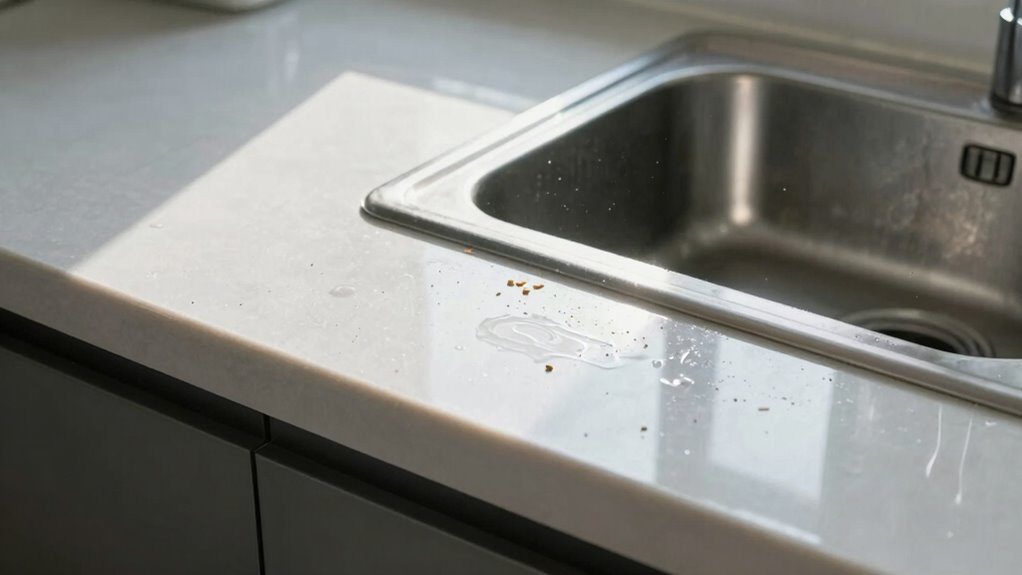
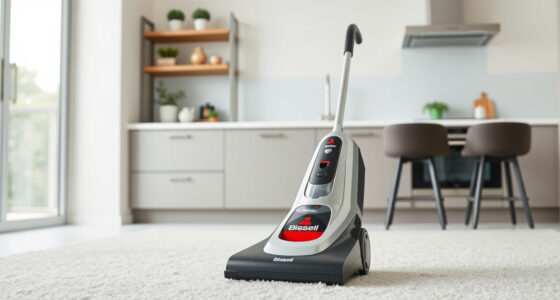
Have you ever wondered why some spaces immediately feel fresh and inviting while others seem unclean? It all comes down to more than just what meets the eye. You might walk into a room that looks spotless at first glance, but the truth is, surface appearance can be deceptive. Visual cleanliness focuses on the aesthetic appeal—the way a space looks and feels. A clean floor, polished surfaces, and tidy arrangements give off an impression of order and freshness. But surface appearance doesn’t necessarily mean the space is hygienic. You might see a shiny countertop or pristine floors, yet germs or bacteria could still be lurking in hidden corners or beneath the surface. That’s why visual cleanliness and hygienic cleanliness aren’t the same thing; they serve different purposes.
Surface appearance can be deceptive; a space may look clean but still harbor hidden germs and bacteria.
When you prioritize visual appeal, you’re mainly concerned with how the space looks to the eye. You’re likely to wipe down surfaces, vacuum carpets, and dust furniture to create that inviting, polished look. These actions improve surface appearance, making the environment seem fresh, well-maintained, and appealing. It’s a crucial part of creating a welcoming atmosphere, especially in settings like restaurants, offices, or homes. You want people to feel comfortable walking in and immediately noticing the tidiness. But this focus on aesthetics can sometimes mask underlying hygiene issues. A surface can be spotless yet still harbor bacteria, viruses, or mold if cleaning isn’t thorough or if certain areas are overlooked. Proper cleaning techniques are essential to bridge the gap between visual and hygienic cleanliness. Using disinfectants effectively and understanding germ hiding spots can significantly enhance overall safety.
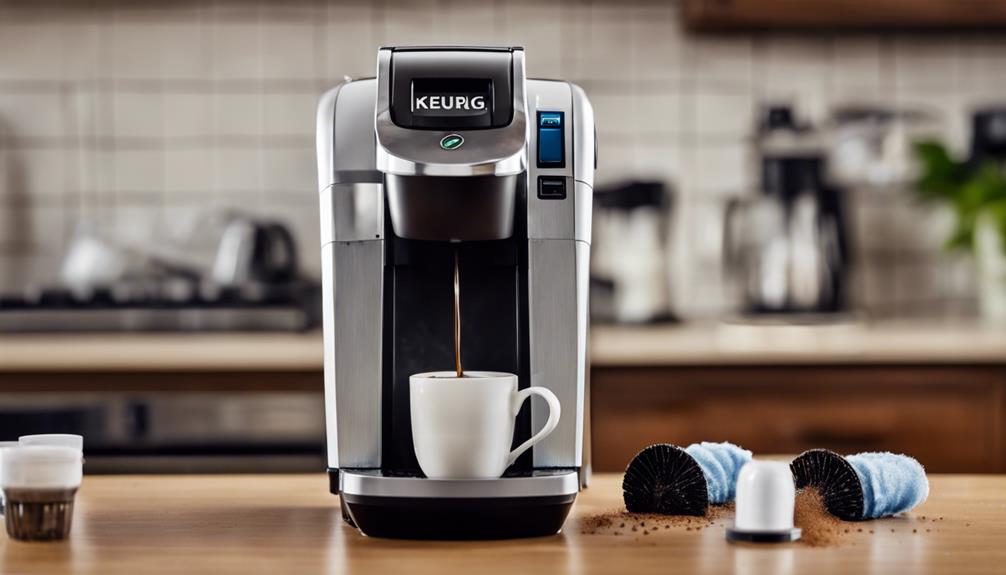
Achieving true hygienic cleanliness requires an understanding of germ hiding spots and using appropriate disinfectants. True hygienic cleaning goes beyond what’s visible and aims to eliminate health risks. It involves disinfecting surfaces, targeting areas where germs hide, and ensuring that pathogens don’t spread. You need to use the right cleaning agents and techniques, especially in environments where health is critical, like hospitals or food preparation areas. This type of cleaning isn’t just about making things look good; it’s about protecting health. You may need to scrub, sanitize, and pay close attention to often-missed spots like behind appliances or under furniture. Proper cleaning techniques are vital for comprehensive hygiene and for maintaining a genuinely safe environment.
In essence, visual clean is about creating an inviting surface appearance, while hygienic clean is about ensuring the space is safe and free from harmful germs. Both are important, but they serve different purposes. To truly maintain a healthy environment, you must balance both. A space that looks clean but isn’t hygienic can pose health risks, and a hygienic space that looks unkempt can discourage use and trust. Recognizing the difference helps you achieve a space that’s not only appealing to the eye but also safe for everyone. Regularly updating your cleaning practices with deep cleaning techniques will support ongoing health and safety.
As an affiliate, we earn on qualifying purchases.
Frequently Asked Questions
Can Something Look Clean but Still Be Unhygienic?
Yes, something can look clean due to its surface appearance and still be unhygienic. Just because a surface appears spotless and appealing doesn’t mean germs or bacteria are gone. You might see a shiny countertop, but unseen microbes could still be present, posing health risks. Prioritizing a hygienic clean involves more than aesthetics; it requires thorough cleaning methods that eliminate germs, not just improve surface appearance.
What Tools Ensure Hygienic Cleaning Beyond Visual Appeal?
To guarantee hygienic cleaning beyond looks, you should use tools like surface sterilization equipment and air purification systems. Surface sterilization kills bacteria and viruses on surfaces, providing a deeper level of cleanliness. Air purification removes airborne contaminants that can spread germs. Combining these tools with regular cleaning helps maintain a truly hygienic environment, ensuring safety and health beyond just what appears clean.
How Long Does a Hygienic Clean Typically Last?
A hygienic clean typically lasts for a few days to a week, depending on surface sterilization practices and air quality. Regular disinfection helps maintain cleanliness, but surfaces can quickly accumulate bacteria and airborne contaminants. To prolong the effects, you should consistently clean and disinfect, improve air circulation, and use high-quality sterilization tools. This ongoing effort helps guarantee your environment stays hygienic beyond just looking clean.
Are There Specific Products for Hygienic Versus Visual Cleaning?
Did you know that specialized hygienic cleaning products can reduce bacteria by up to 99.9%? Yes, there are distinct products for hygienic versus visual cleaning. Hygienic products focus on cleaning effectiveness, targeting germs and bacteria, while visual cleaners emphasize appearance. Using the right product guarantees your space isn’t just looking clean but is truly hygienic, helping you maintain a healthier environment and prevent the spread of illness.
Can Visual Cleanliness Mask Underlying Hygiene Issues?
Yes, visual cleanliness can mask underlying hygiene issues through aesthetic illusions, giving the superficial appearance of cleanliness. You might see a spotless surface, but germs or bacteria could still be present underneath. It’s important to look beyond the surface, using proper cleaning and testing methods, to guarantee true hygiene. Relying solely on visual cues can lead to overlooked health risks, so don’t be fooled by a clean-looking appearance alone.
Conclusion
In the end, understanding that visual clean and hygienic clean aren’t the same is key to truly maintaining a safe environment. You might think a space looks spotless, but hidden germs could still be lurking. Don’t let appearances fool you—dig a little deeper to verify hygiene isn’t sacrificed for the sake of looks. Remember, appearances can be deceiving, and in this case, what you see isn’t always what you get. Stay vigilant and prioritize real cleanliness.
Halloween Picks
halloween
As an affiliate, we earn on qualifying purchases.