TL;DR

Get cleaning gear delivered free — and shop member deals
- Fast, free delivery on millions of items
- Access to Prime Big Deal Days deals on October 6–7
- Prime Video, Amazon Music and more included
Cleaning your sink overflow hole every two to three months prevents clogs and odors. This guide provides step-by-step instructions using common household items. It’s a quick, affordable maintenance task that helps keep your sink functioning properly.
Regularly cleaning the sink overflow hole is essential to prevent buildup of mold, soap scum, and organic debris that can cause odors and slow drainage. Experts recommend doing this every two to three months to maintain proper sink function and hygiene.
The sink overflow hole, located in front of the sink basin, acts as a safety drain and helps air enter the drainpipe to facilitate faster drainage. Over time, it can accumulate soap scum, hair, toothpaste, mold, and mildew, leading to foul smells and partial or complete clogs.
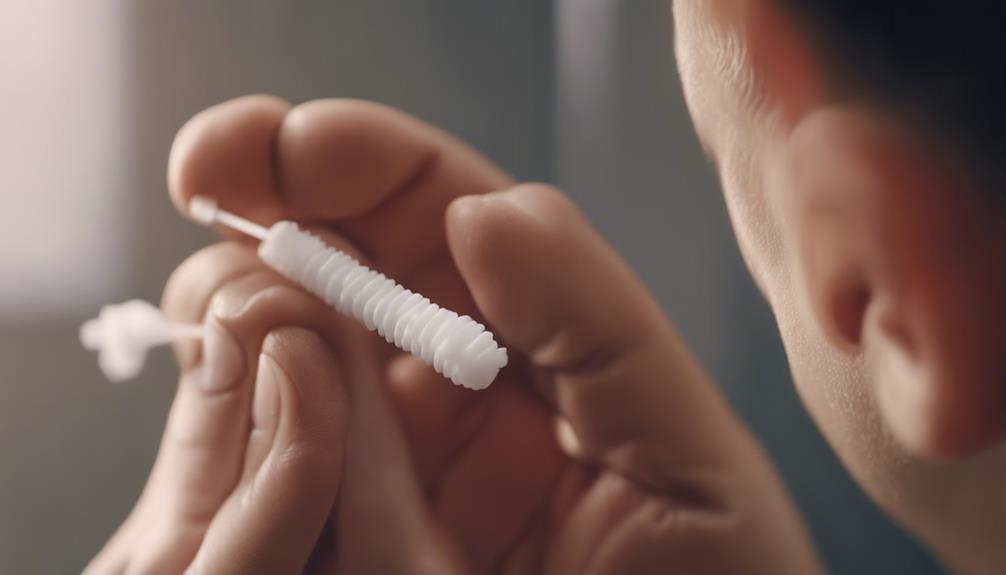
To clean the overflow hole, start by wiping its exterior with a microfiber cloth soaked in hot water and soap. Then, pour about one cup of baking soda into the hole using a funnel, followed by a cup of distilled white vinegar. Allow the mixture to fizz and work for 10 to 15 minutes. Next, scrub the interior with an old toothbrush or pipe cleaner to remove stubborn debris. Finish by flushing the overflow with hot water, pouring it through the funnel to wash away loosened gunk and residues. If odors persist, an enzymatic drain cleaner can be used to break down organic matter further.
Importance of Regular Overflow Hole Maintenance
Proper cleaning of the sink overflow hole prevents unpleasant odors, slow drainage, and potential clogs caused by organic buildup. Routine maintenance extends the lifespan of plumbing components and reduces the need for costly repairs. This simple task can be completed in about 30 minutes, making it an effective home upkeep practice that contributes to overall hygiene and plumbing health.
As an affiliate, we earn on qualifying purchases.
Routine Plumbing Maintenance for Homeowners
The sink overflow hole is a small but vital part of household plumbing, designed to prevent flooding if the sink’s main drain is blocked. Despite its importance, it is often neglected during regular cleaning. Experts recommend cleaning it at least once every two to three months to avoid buildup of debris that can impair drainage and cause odors. This advice aligns with general plumbing maintenance practices aimed at preventing slow drains and costly repairs. Previous guidelines from plumbing professionals emphasize the importance of routine cleaning as a simple, affordable way to maintain sink health and hygiene.
“Cleaning the overflow hole regularly is essential to prevent mold, mildew, and organic debris from causing odors and clogs.”
— an anonymous researcher
Unclear Aspects of Overflow Hole Cleaning Frequency
It is not yet clear whether more frequent cleaning is necessary for sinks with heavy use or in humid environments, or if specific cleaning products are more effective for long-term odor control.
Next Steps for Maintaining Sink Hygiene
Homeowners should incorporate overflow hole cleaning into their regular bathroom or kitchen maintenance routine every two to three months. Future guidance may include more effective cleaning products or techniques for different sink types and usage levels. Plumbing professionals may also offer additional tips for extending the interval between cleanings based on sink usage and environmental factors.
Key Questions
How often should I clean my sink overflow hole?
Experts recommend cleaning the overflow hole every two to three months to prevent buildup and odors.
What tools do I need to clean the overflow hole?
You will need a microfiber cloth, a funnel, baking soda, distilled white vinegar, an old toothbrush or pipe cleaner brush, and hot water.
Can I use chemical drain cleaners for the overflow hole?
While enzymatic drain cleaners are recommended for organic buildup, chemical drain cleaners are generally not necessary and can be harsh on plumbing. Use them only if recommended by a professional and follow safety instructions carefully.
What should I do if odors persist after cleaning?
If odors continue, repeat the cleaning process or use an enzymatic cleaner to break down remaining organic debris. Ensure thorough rinsing to remove all residues.
Is it necessary to remove the overflow cover during cleaning?
No, cleaning can be done with the cover in place, but removing it allows for more thorough scrubbing and inspection for damage or blockages.
Source: Bob Vila
Fall Picks
fall essentials
As an affiliate, we earn on qualifying purchases.