Dwell time affects cleaning results more than extra scrubbing because it allows cleaning agents to fully react with dirt, grime, and bacteria. Longer contact lets chemical reactions happen efficiently, breaking down contaminants without damaging surfaces. Rushing or scrubbing harder often doesn’t improve results and can cause damage. By adjusting how long cleaners sit, you’ll see better, quicker results. Keep exploring to discover how optimizing dwell time can make your cleaning more effective and easier.

Get cleaning gear delivered free — and shop member deals
- Fast, free delivery on millions of items
- Access to Prime Big Deal Days deals on October 6–7
- Prime Video, Amazon Music and more included
Key Takeaways
- Longer dwell time allows cleaning agents to fully react with dirt and bacteria, improving removal efficiency.
- Dwell time enhances chemical effectiveness, reducing the need for aggressive scrubbing.
- Proper dwell periods optimize surface chemistry, leading to better cleaning outcomes.
- Extended dwell time ensures solutions penetrate and loosen contaminants more effectively than scrubbing alone.
- Focusing on dwell time minimizes physical effort while achieving superior cleanliness.
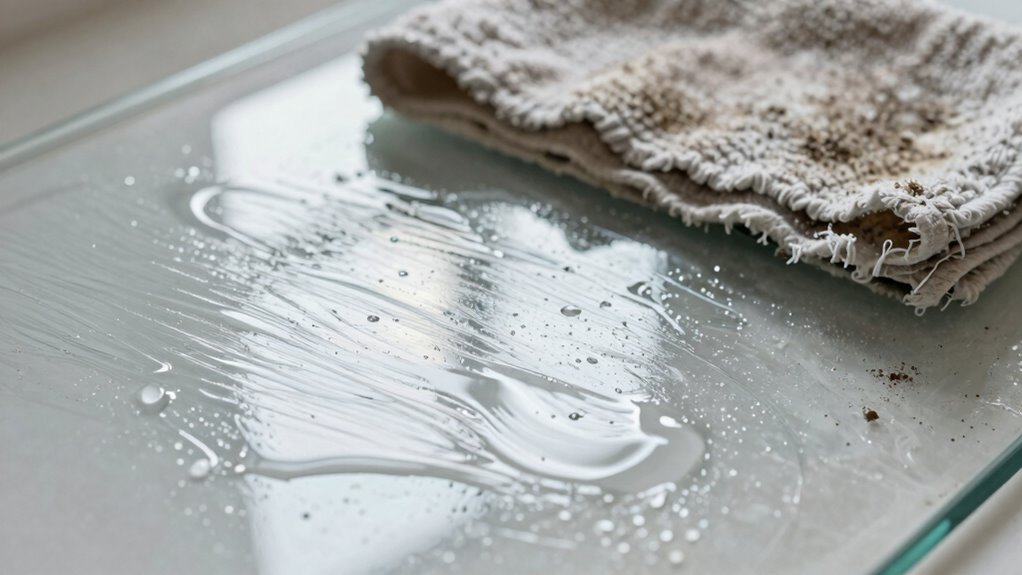
Dwell time, or the amount of time a cleaning solution remains on a surface, plays an essential role in determining how effective your cleaning efforts will be. It’s tempting to think that scrubbing harder or longer will automatically improve results, but in reality, the key lies in how long the cleaning agents are allowed to work. When you give a solution adequate dwell time, you’re allowing it to engage fully with the dirt, grime, or bacteria, which often leads to better cleaning than extra scrubbing alone. This is because dwell time influences surface compatibility and chemical reaction rates, two key factors in cleaning efficiency. Recognizing the importance of chemical reactions can help you optimize your cleaning process and achieve better results more efficiently. Additionally, understanding surface compatibility ensures that cleaning methods are tailored to different materials, preventing damage while maximizing cleanliness. Being aware of dwell time can also help in choosing the right cleaning agents for specific surfaces, ensuring safety and effectiveness. Moreover, adjusting dwell time based on surface type can significantly improve cleaning outcomes without the need for excessive scrubbing. Knowing how cleaning chemistry interacts with different materials also helps in selecting appropriate solutions and avoiding unintended damage or residue.
Frequently Asked Questions
Does Dwell Time Vary for Different Types of Cleaning Solutions?
Yes, dwell time varies for different cleaning solutions because it directly impacts cleaning efficacy. You need to take into account solution compatibility with the surface and the specific dirt or stain you’re tackling. Some solutions work best with longer dwell times to break down grime effectively, while others act quickly. Adjusting dwell time based on the solution guarantees ideal results, preventing damage and ensuring thorough cleaning.
Can Longer Dwell Time Damage Certain Surfaces or Materials?
Longer dwell times can damage surfaces if they’re sensitive or incompatible with the cleaning solution. You might assume more contact equals better cleaning, but surface sensitivity and material compatibility matter. Overexposing delicate materials like wood or certain plastics can cause discoloration, corrosion, or deterioration. Always check manufacturer guidelines and test in small areas first. Using the right dwell time guarantees effective cleaning without risking damage to vulnerable surfaces.
How Is Optimal Dwell Time Determined for Specific Stains?
You determine ideal dwell time by observing stain absorption and the chemical reaction needed for breakage. Start by applying the cleaner and waiting briefly to see how the stain responds—if it’s absorbed or starts to lift, you’ve found a good dwell time. Adjust this based on stain severity and material sensitivity, ensuring the chemical reaction is effective without damaging the surface. Always follow manufacturer recommendations for best results.
Does Dwell Time Impact the Environmental Safety of Cleaning Products?
Yes, dwell time impacts the environmental safety of cleaning products. Longer dwell times with eco-friendly formulas guarantee stains are broken down effectively, reducing the need for harsh chemicals. This minimizes the risk of toxic residue left behind, making cleaning safer for both you and the environment. Proper dwell time allows eco-friendly products to work efficiently, preventing overuse and helping you avoid harmful substances that could compromise safety or sustainability.
Are There Tools That Help Control or Measure Dwell Time Effectively?
Yes, you can find automation tools and measurement techniques to control and track dwell time effectively. Automated timers and digital monitoring systems help you set precise dwell times, ensuring ideal cleaning results. Measurement techniques like surface swabbing or using sensors provide real-time feedback on contact time. These tools improve consistency, reduce guesswork, and enhance cleaning efficiency, making it easier to achieve thorough sanitation without unnecessary scrubbing.
Conclusion
So, next time you’re cleaning, remember that a little extra dwell time can make all the difference—sometimes more than scrubbing harder. It’s a coincidence how patience with dwell time often leads to surprisingly better results without extra effort. When you let cleaning solutions do their job, you might just find your surfaces cleaner and your work easier. It’s a simple trick that turns cleaning into a more effective, less laborious task—who knew patience could be so powerful?
Fall Picks
fall essentials
As an affiliate, we earn on qualifying purchases.