
You need both air treatment and surface cleaning because odors often come from multiple sources. Air treatments, like filters or ozone generators, target airborne particles, but they won’t reach deep into fabrics or porous surfaces. Surface cleaning removes the actual odor-causing dirt and grime, preventing smells from rebounding. By combining both methods, you get long-lasting freshness. If you want to understand how to tackle stubborn smells effectively, keep exploring these strategies.
Key Takeaways
- Some odors originate from both airborne particles and embedded sources, requiring simultaneous treatment.
- Surface cleaning removes the physical source of odors, preventing ongoing emission.
- Air treatment reduces airborne odor molecules, providing immediate relief.
- Embedded odors in porous materials need deep cleaning alongside air purification for long-term results.
- Combining both methods addresses odor sources and airborne particles, ensuring comprehensive freshness.
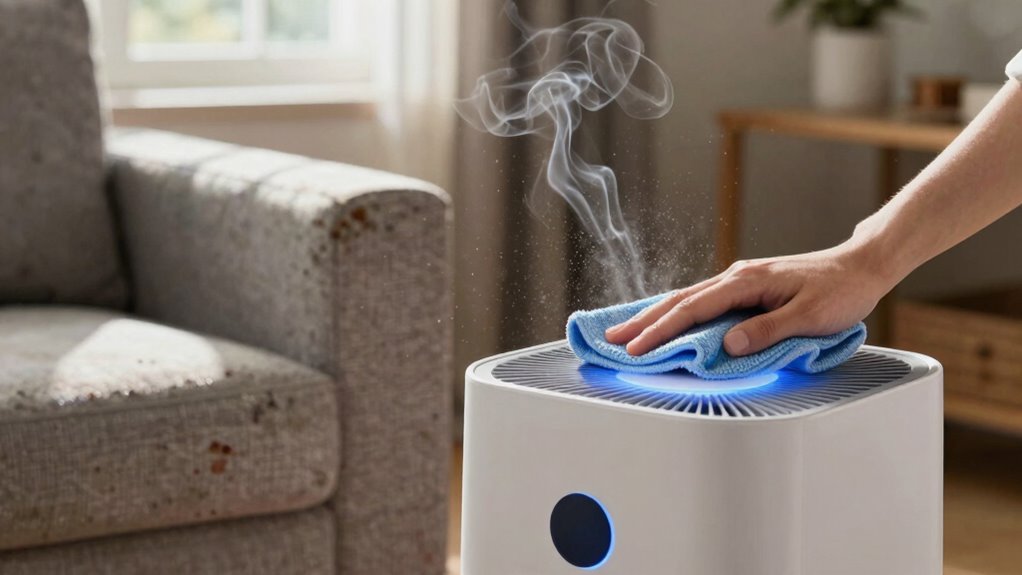
Odors can quickly diminish the comfort and freshness of any space, whether it’s your home, office, or vehicle. When unpleasant smells linger, it’s tempting to reach for air fresheners or sprays to mask the scent. However, relying solely on scent masking doesn’t address the root cause of the odor. Instead, you need a combination of air treatment and surface cleaning to effectively eliminate the smell. Air treatment targets the airborne particles responsible for odors, while surface cleaning removes the source itself. Together, they create a comprehensive approach that restores freshness and prevents odors from returning.
Effective odor removal requires combining air treatment with surface cleaning to eliminate the root cause.
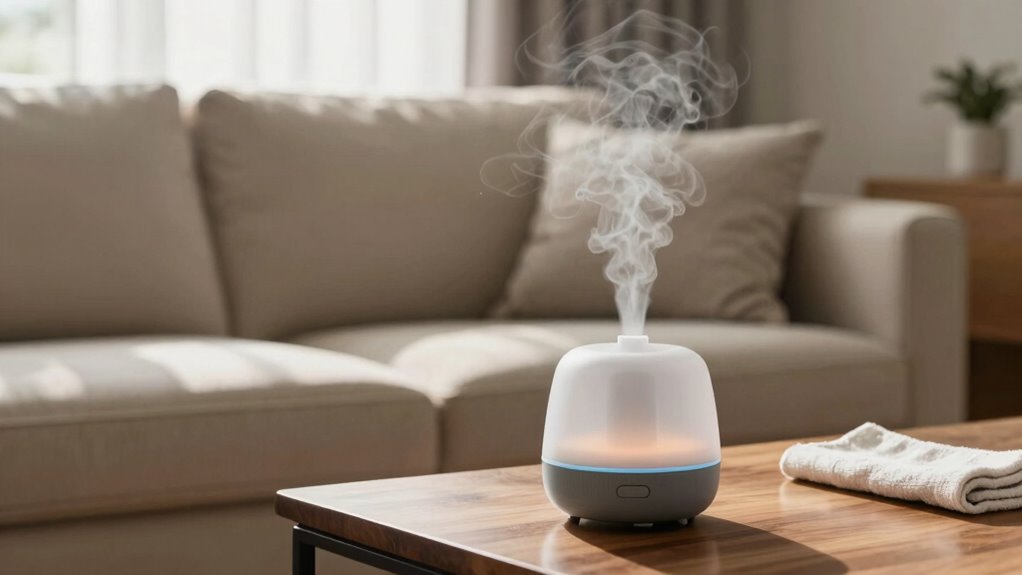
Odor absorption plays a crucial role in air treatment. Devices like activated charcoal filters or ozone generators actively pull in and trap odor molecules from the air, reducing their presence. These methods are especially useful for persistent or strong smells that don’t respond well to masking. Scent masking, on the other hand, temporarily hides unpleasant odors with fragrances, but it doesn’t eliminate the source. When you only mask odors, the underlying cause remains, and the smell can come back once the masking scent fades. That’s why combining odor absorption with surface cleaning is essential. Surface cleaning removes the source of the odor — whether it’s bacteria, mold, pet dander, or food residues — ensuring the smell doesn’t re-emerge.
Cleaning surfaces thoroughly is often overlooked but is just as important as air treatment. Dirt, grime, and organic matter trapped on surfaces can continuously emit odors, making the air treatment less effective over time. Using disinfectants, degreasers, or specialized cleaning agents helps break down these odor-causing substances. Once surfaces are clean, the air treatment can do its job more effectively, as there’s less ongoing source of smell. Without this step, odors can linger despite air filtration, as new molecules keep off-gassing from unclean surfaces. Additionally, understanding odor sources helps in selecting the most effective cleaning methods to prevent recurrence. Incorporating proper cleaning techniques can significantly reduce the chances of odors returning, especially in high-traffic or high-moisture areas. Addressing embedded odors often requires more intensive cleaning strategies to remove odors that have penetrated deeply into fabrics or porous materials. Regular maintenance and deep-cleaning methods can help sustain a fresh environment over time.
In many cases, odor issues aren’t just airborne but deeply embedded in fabrics, carpets, or upholstery. In such situations, surface cleaning must extend to deep-cleaning methods like steam cleaning or extraction. These techniques help remove embedded smells and prevent them from reappearing. Combining surface cleaning with targeted air treatment ensures that both the source and airborne particles are addressed, giving you a truly fresh environment. Relying on one method alone often results in only temporary relief, but together, they create a more lasting solution to stubborn odors. Recognizing odor penetration is key to choosing the most effective cleaning and treatment strategies for lasting freshness.
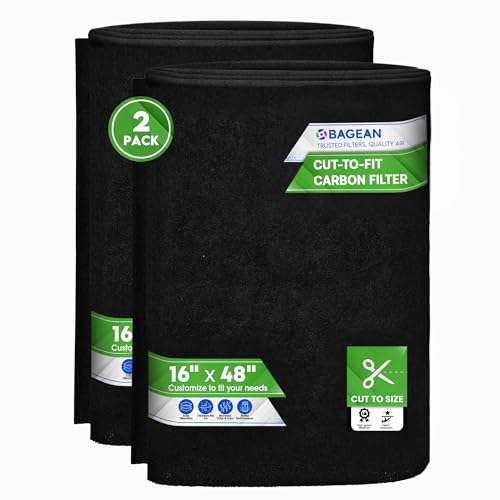
Bagean Cut to Fit Activated Carbon Filter Sheet 16” x 48” Carbon Air Filter
- Freshens Air: Removes odors for a clean environment
- Highly Absorbent: Made from coconut shell carbon
- Enhanced Odor Removal: Extra carbon for superior odor elimination
As an affiliate, we earn on qualifying purchases.
As an affiliate, we earn on qualifying purchases.
Frequently Asked Questions
Can Air Treatment Alone Eliminate Stubborn Odors?
No, air treatment alone often can’t eliminate stubborn odors completely. While it can help with odor absorption and mask unpleasant scents temporarily, surface cleaning is essential for removing the source of the smell. You need both approaches because odors cling to surfaces and materials, making it difficult for air treatment alone to fully eliminate them. Combining surface cleaning with air purification ensures a more thorough and lasting odor removal.
How Long Does Surface Cleaning Take to Remove Odors?
Think of surface cleaning as watering a stubborn garden weed; it usually takes about 30 minutes to an hour to effectively remove odors, depending on the severity. During this cleaning duration, you’re engaging in odor absorption, breaking down and lifting odor-causing particles from surfaces. Rushing through it won’t work—thoroughness guarantees the odor’s gone, leaving your space fresh. Patience and proper cleaning are your best tools.
Are Certain Odors Resistant to Surface Cleaning?
Yes, some odors resist surface cleaning because they’re absorbed into porous materials or deeply embedded. Odor absorption makes it harder to remove smells with cleaning alone. Chemical masking can temporarily hide odors but doesn’t eliminate them. To effectively tackle resistant odors, you need a combination of surface cleaning to remove residues and air treatment to neutralize airborne molecules, ensuring long-lasting freshness.
Do Air Purifiers Remove All Types of Odors?
Air purifiers don’t remove all types of odors because their effectiveness depends on the air quality and odor sources. They excel at neutralizing airborne smells like smoke or pet odors but struggle with strong, embedded surface smells. To fully eliminate persistent odors, you need to combine air treatment with surface cleaning. Addressing both the air quality and odor sources guarantees a more thorough and lasting odor removal.
Can Combined Treatment Prevent Odor Recurrence?
Think of your space as a battlefield where odors lurk. Combining air treatment and surface cleaning acts as your strongest defense, preventing odor recurrence. Odor absorption traps lingering smells, while chemical neutralization destroys their source. This dual approach guarantees no scent escapes, keeping your environment fresh longer. By attacking odors from both the air and surfaces, you create a lasting clean that stops odors in their tracks before they return.
Conclusion
You see, tackling odors is like battling a stubborn fortress—you can’t just attack the surface or just clear the air. When you combine air treatment and surface cleaning, you’re wielding a powerful duo that clears away the invisible enemies hiding in every corner. Think of it as sweeping away the clouds of a storm and sealing the cracks—they work together to restore fresh, clean air and surfaces. Together, you’re turning chaos into calm, making your space smell and feel brand new.