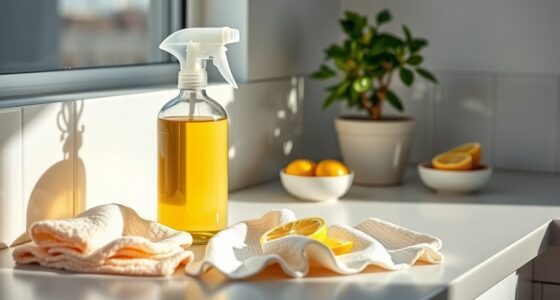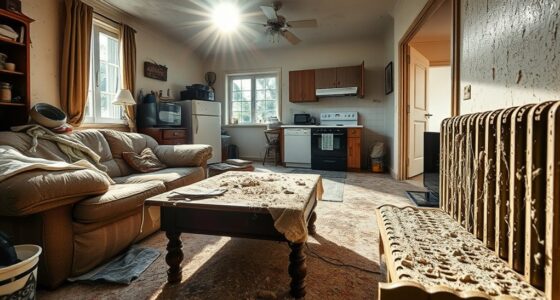
Deep cleaning involves thoroughly scrubbing hidden dirt, grime, and buildup in overlooked areas, such as behind furniture or inside appliances, using special tools and agents. It’s more than just quick dusting or surface wiping; it targets stubborn stains, mold, and allergens to sanitize your space effectively. Tasks like washing curtains or cleaning vents count, while quick spot-cleaning or simple vacuuming usually don’t. Want to know the full details? Keep exploring to get the complete picture.

Get cleaning gear delivered free — and shop member deals
- Fast, free delivery on millions of items
- Access to Prime Big Deal Days deals on October 6–7
- Prime Video, Amazon Music and more included
Key Takeaways
- Deep cleaning targets hidden, stubborn dirt in areas like grout, vents, and behind furniture, unlike surface cleaning or quick dusting.
- It involves using specialized tools and cleaning agents for thorough removal of grime, not just wiping or vacuuming surfaces.
- Tasks like cleaning inside appliances, washing curtains, or scrubbing tiles qualify as deep cleaning; regular spot cleaning does not.
- Deep cleaning is a periodic, detailed process aimed at sanitation and extending item lifespan, beyond routine chores.
- Simple cleaning routines such as wiping counters or vacuuming only surface dirt don’t count as deep cleaning.
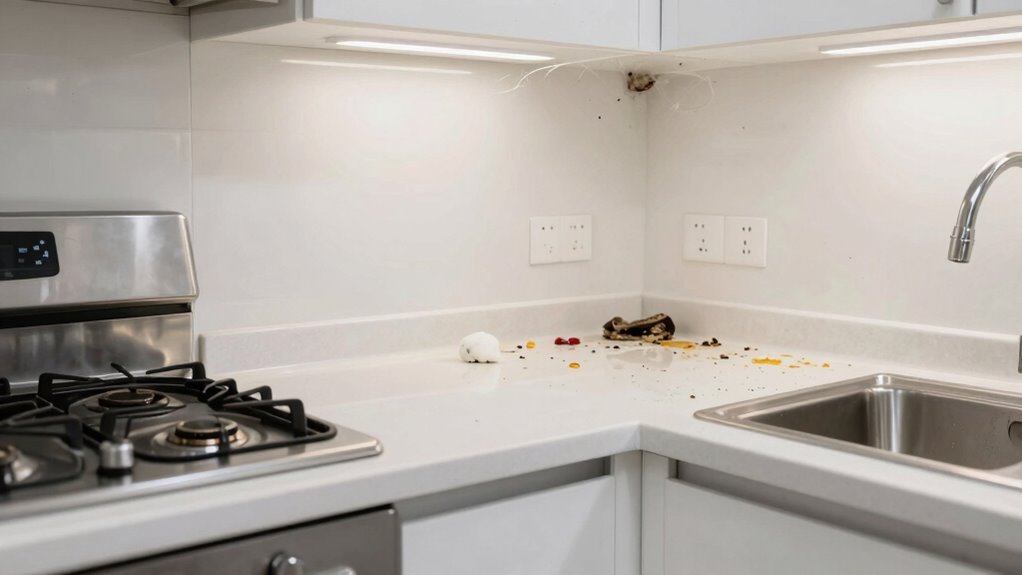
Ever wonder what truly qualifies as deep cleaning? It’s a good question, especially since the term gets thrown around a lot. Deep cleaning isn’t just about tidying up or doing the usual chores; it’s about thoroughly removing dirt, grime, and buildup from places you might overlook during regular cleaning sessions. For example, vacuuming carpets is a key part of deep cleaning because it pulls out embedded dirt, dust, and allergens that regular sweeping or surface vacuuming might miss. It’s not enough to just run the vacuum over the surface; you need to go slow, make multiple passes, and consider using attachments to reach deep into the fibers. That’s what makes it a true deep clean. Similarly, washing windows isn’t just about making them look clear and shiny. It involves removing stubborn smudges, dirt, and streaks that accumulate over time, especially around edges and corners. Using the right cleaning solutions and tools ensures that your windows aren’t just superficially clean but thoroughly spotless, allowing more light and a clearer view.
However, many people mistakenly think deep cleaning means simply decluttering or wiping down surfaces quickly. While those tasks are necessary, they don’t qualify as deep cleaning. Deep cleaning requires a focused, detailed approach to areas that tend to gather dirt and grime. For example, scrubbing the grout in your bathroom tiles or cleaning behind heavy furniture involves effort and attention that typical cleaning doesn’t require. These tasks take time and often need special cleaning agents, brushes, or tools to really get the job done. It’s also not just about cleaning once; deep cleaning is often a periodic effort to maintain a healthier environment and extend the life of your belongings. Additionally, understanding the difference between surface cleaning and deep cleaning can help you prioritize tasks and achieve a truly sanitized space. Knowing what constitutes thorough cleaning techniques can ensure you’re not only cleaning but truly disinfecting your home. Regularly incorporating deep cleaning methods can also prevent the buildup of allergens and bacteria, improving indoor air quality. Incorporating proper cleaning tools and supplies is essential for achieving the best results during deep cleaning routines. Recognizing these distinctions can save time and effort in the long run, ensuring a healthier living environment.
What usually doesn’t count as deep cleaning are quick dustings or spot-cleaning routines that leave behind hidden dirt and allergens. For example, wiping down kitchen counters or vacuuming just the surface of your rugs doesn’t qualify unless you go beyond the surface. Deep cleaning is about tackling the unseen, the accumulated, and the stubborn. It’s a thorough process that might involve washing curtains, cleaning inside appliances, or cleaning vents and air ducts. These tasks often require more effort and specialized techniques but are essential for truly fresh, sanitized spaces. So, next time you consider deep cleaning, remember it’s about the thorough, detailed work that transforms your space from merely tidy to genuinely clean. This attention to detail not only enhances cleanliness but also contributes to better indoor air quality by removing trapped dust, mold, and other pollutants.
As an affiliate, we earn on qualifying purchases.
Frequently Asked Questions
How Often Should Deep Cleaning Be Scheduled?
You should schedule deep cleaning at least twice a year, aligning with seasonal cleaning schedules. For high-traffic or dusty areas, consider more frequent sessions, like quarterly cleanings. Regular cleaning maintains hygiene, but deep cleaning targets hidden dirt and grime. Adjust your cleaning frequency based on your home’s needs, lifestyle, and allergies. Seasonal cleaning helps prepare your space for different weather changes and guarantees your home stays fresh and sanitized year-round.
Can Deep Cleaning Eliminate All Bacteria and Germs?
Deep cleaning markedly reduces bacteria and germs but can’t eliminate all of them completely. You should focus on surface sanitization and air purification to minimize health risks. Regular deep cleaning helps remove dirt and microbes, but some bacteria may still linger, especially in hard-to-reach areas. Combining deep cleaning with good hygiene practices and proper ventilation enhances safety, making your space healthier and more hygienic.
Is Deep Cleaning Necessary for Homes With Pets?
Deep cleaning isn’t just a luxury; it’s a necessity when you have pets. Pet hair and odor removal often require intensive efforts to truly refresh your home. Without deep cleaning, pet dander can fill the air like a thick fog, impacting air quality and causing allergies. Regular deep cleaning helps eliminate stubborn dirt, hair, and smells, making your home healthier and more comfortable for both you and your furry friends.
What Tools Are Essential for Effective Deep Cleaning?
For effective deep cleaning, you need essential tools like vacuum cleaners with HEPA filters, microfiber cloths, and scrub brushes. Chemical agents like disinfectants are vital for sanitizing surfaces thoroughly. Specialized equipment such as steam cleaners and carpet extractors help reach deep grime. These tools guarantee you remove dust, dirt, and bacteria efficiently, making your space truly clean and healthy. Proper tools make deep cleaning more effective and less time-consuming.
Does Deep Cleaning Remove Stubborn Stains Permanently?
Deep cleaning can often remove stubborn stains permanently, especially when you target surface stains with the right chemical treatments. Imagine scrubbing a coffee spill on your carpet with a specialized solution, and the stain vanishes completely. While some stains may fade over time, proper deep cleaning with effective chemical treatments markedly increases your chances of permanent removal, leaving your surfaces looking fresh and spotless.
Conclusion
Remember, a clean home is a happy home, but knowing what counts as deep cleaning makes all the difference. While scrubbing behind appliances or washing windows often falls into the deep clean category, tidying up daily clutter usually doesn’t. Think of deep cleaning as giving your space a fresh start—sometimes you need to go beyond surface level. As the saying goes, “A stitch in time saves nine,” so tackle the deep clean now to keep your home sparkling and stress-free.
Fall Picks
fall essentials
As an affiliate, we earn on qualifying purchases.