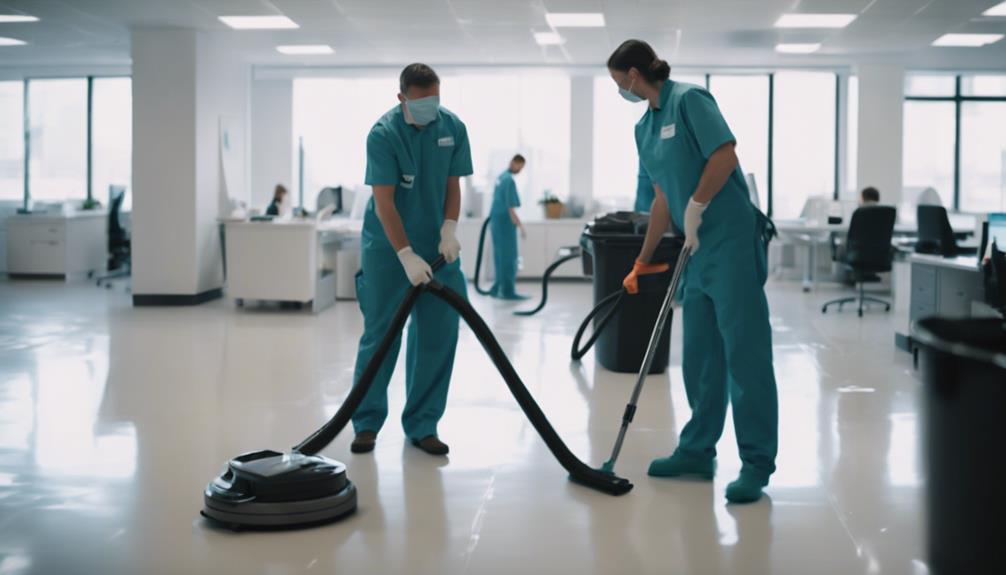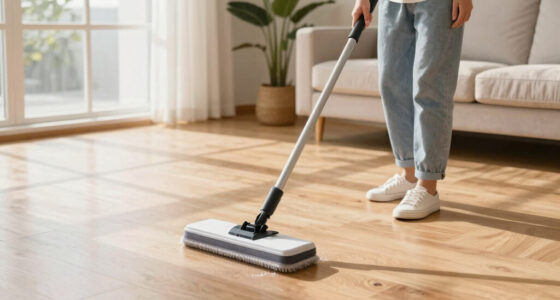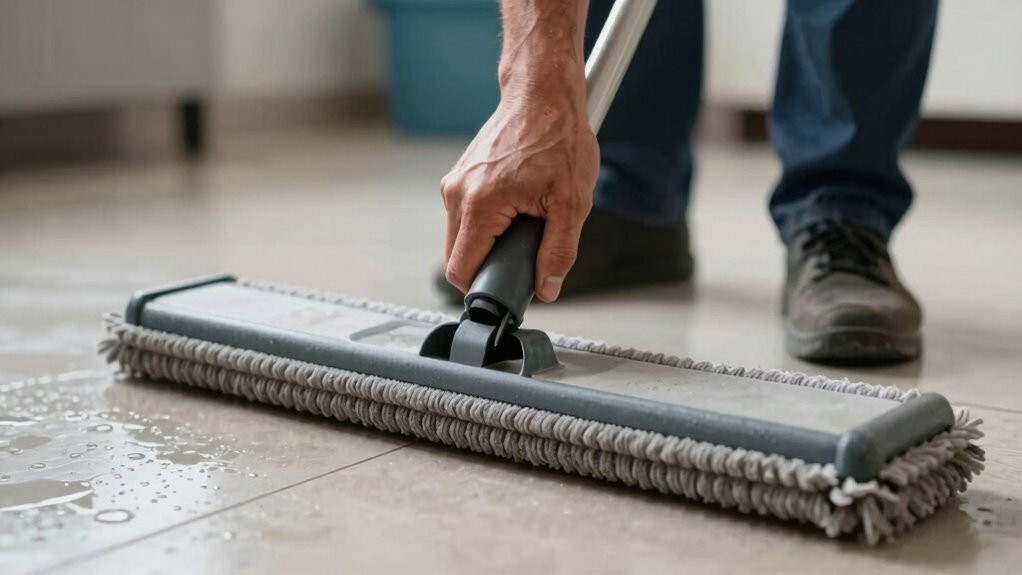

Using heavy, poorly designed cleaning tools can quickly drain your strength, causing fatigue and increasing the risk of strain or injury. When tools aren’t ergonomic, you’ll find yourself exerting more effort and taking more breaks, which slows down your work and risks missed spots. This hidden multiplier of effort makes cleaning harder over time. If you want to discover how proper tool choices can protect you and improve your results, keep exploring.
Key Takeaways
- Heavier cleaning tools increase physical strain, leading to faster fatigue and reduced efficiency.
- Ergonomic design minimizes muscle and joint stress, improving comfort and reducing injury risk.
- Fatigue from prolonged use causes rushed work and missed spots, compromising cleaning quality.
- Balancing tool weight and ergonomic features enhances user control, efficiency, and long-term health.
- Selecting lightweight, well-designed tools supports sustainable cleaning practices and prevents musculoskeletal issues.
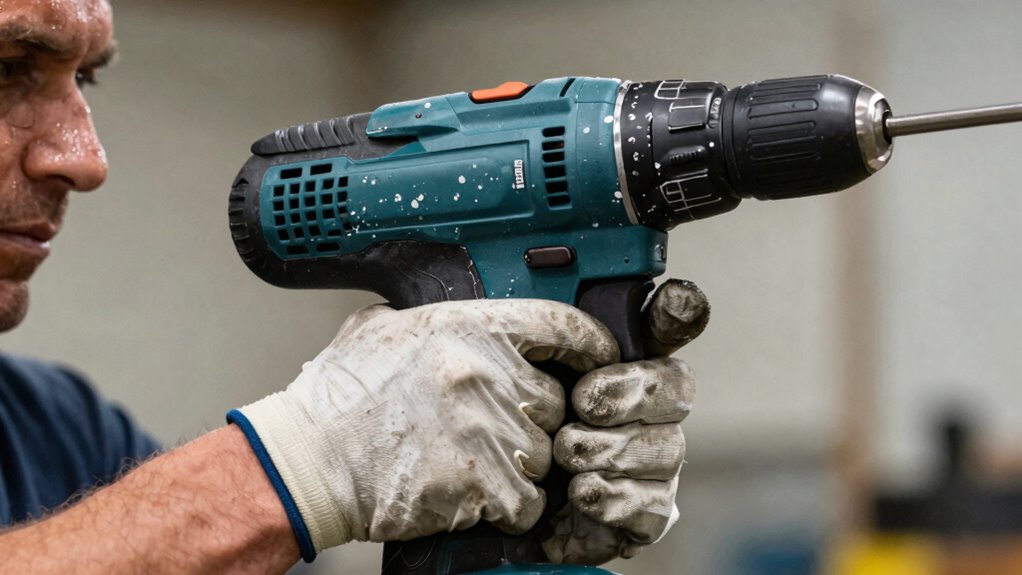
When choosing a tool, weight plays a vital role in how comfortably and efficiently you can work over extended periods. Heavier tools can drain your strength faster, leading to quicker fatigue, which directly impacts cleaning efficiency. If a tool feels bulky or heavy, you might find yourself making more stops, taking longer breaks, or rushing through tasks just to get them done. This can also increase the risk of strain or injury, especially if proper ergonomics are not considered. On the other hand, lighter tools tend to promote better user comfort, allowing you to maintain steady, controlled movements without feeling overwhelmed by weight. When your tools feel manageable, you can focus more on the task itself rather than fighting against the weight, resulting in more thorough, effective cleaning. Tool weight is an often overlooked factor that significantly influences overall performance and safety.
Ergonomics plays a crucial role here. A well-designed, ergonomically balanced tool reduces strain on your muscles and joints, which is especially important during long cleaning sessions. When a tool is ergonomically optimized, it aligns with your natural movement patterns, decreasing the effort needed to maneuver it. This directly enhances user comfort, making the process less tiring and more sustainable over time. Good ergonomic design also minimizes awkward postures or repetitive motions that could lead to discomfort or injury. So, investing in tools with thoughtful ergonomic features isn’t just about comfort—it’s about ensuring you can maintain consistent cleaning quality without risking your health. Additionally, ergonomic considerations can help prevent musculoskeletal injuries, which are common among frequent cleaners.
Fatigue is often the invisible enemy in cleaning jobs. Even if a tool isn’t excessively heavy, prolonged use can lead to tired muscles and decreased concentration. When you’re fatigued, your cleaning efficiency drops because you may cut corners or rush through steps. Over time, this can result in missed spots or incomplete sanitation. The key is selecting tools that strike a balance: lightweight enough to prevent rapid fatigue but sturdy enough to handle the cleaning tasks effectively. Incorporating ergonomic features into your tools further reduces the physical toll, helping you stay alert and thorough throughout your work. Remember, the goal isn’t just to finish quickly but to do so with quality and safety in mind.
In the end, understanding the relationship between tool weight, ergonomics, and fatigue helps you make smarter choices. By prioritizing lightweight, well-designed tools that support your natural movements, you enhance cleaning efficiency while maintaining user comfort. This approach not only makes your tasks easier and faster but also safeguards your health, ensuring that your cleaning routines remain sustainable and effective over the long run.

Holikme 7 Pack Deep Cleaning Brush Set, Scrub Pads with Scraper Tip for Pool Walls, Bathroom, Grout, Floor, Bike, Tub, Shower, Kitchen Surface (Green)
- Pack Size: 7-piece cleaning brush set
- Variety of Brushes: Includes scrub, tile, groove, and scouring pad brushes
- Ergonomic Design: Comfortable grip for easy cleaning
As an affiliate, we earn on qualifying purchases.
As an affiliate, we earn on qualifying purchases.
Frequently Asked Questions
How Does Tool Weight Affect Long-Term Injury Risk?
Heavier tools increase your risk of long-term injuries since they strain your muscles and joints over time. Poor tool design that ignores weight can lead to fatigue and repetitive strain injuries. To prevent this, choose ergonomically designed tools that are lightweight yet effective. By prioritizing proper tool design, you help protect your body from long-term harm, making injury prevention easier during prolonged tasks.
What Ergonomic Features Reduce Cleaning Fatigue Effectively?
Imagine cutting your cleaning fatigue in half—ergonomic design makes that possible. Features like adjustable handles, cushioned grips, and balanced weight distribution enhance handheld comfort, reducing strain with every scrub. These ergonomic features target key pressure points, preventing fatigue from building up. By prioritizing ergonomic design, you not only boost efficiency but also protect yourself from long-term discomfort. Don’t overlook these features—your comfort and health depend on them.
Are Lightweight Tools Always Better for Cleaning Tasks?
Lightweight tools aren’t always better for cleaning tasks because user comfort depends on more than just weight. While lightweight tools reduce fatigue and make handling easier, they might lack the durability or power needed for tougher jobs. You should consider ergonomic design features that support comfort and efficiency, ensuring the tool fits well in your hand and minimizes strain, regardless of its weight. Ultimately, choose a tool that balances weight, comfort, and performance for your specific cleaning needs.
How Can Proper Ergonomics Improve Cleaning Efficiency?
Proper ergonomics boost your cleaning efficiency by encouraging good posture awareness and ensuring grip comfort. When you maintain proper posture, you reduce fatigue and prevent strain, allowing you to work longer without discomfort. A comfortable grip helps you control tools better, making cleaning quicker and more thorough. By paying attention to ergonomics, you’ll find your movements smoother, less tiring, and your overall cleaning performance improves markedly.
What Are Signs of Ergonomic Strain During Cleaning?
They say “listen to your body,” and during cleaning, signs of ergonomic strain are clear. You might notice muscle tension, especially in your shoulders, neck, or back. Poor posture leads to fatigue and discomfort. If you feel soreness or stiffness, it’s time for posture correction and a break. Recognizing these signs early helps prevent injury, keeps you efficient, and guarantees your cleaning routine remains sustainable and safe.
Conclusion
By understanding how tool weight, ergonomics, and fatigue intertwine, you realize that easier cleanup isn’t just about the tool itself but how you handle it daily. When your tools fit well and feel lighter, your effort becomes smoother, making cleaning less tiring and more efficient. It’s no coincidence—small changes in ergonomics can considerably boost your comfort and productivity. So, invest in the right tools; your body will thank you, and the cleaning gets easier every time.