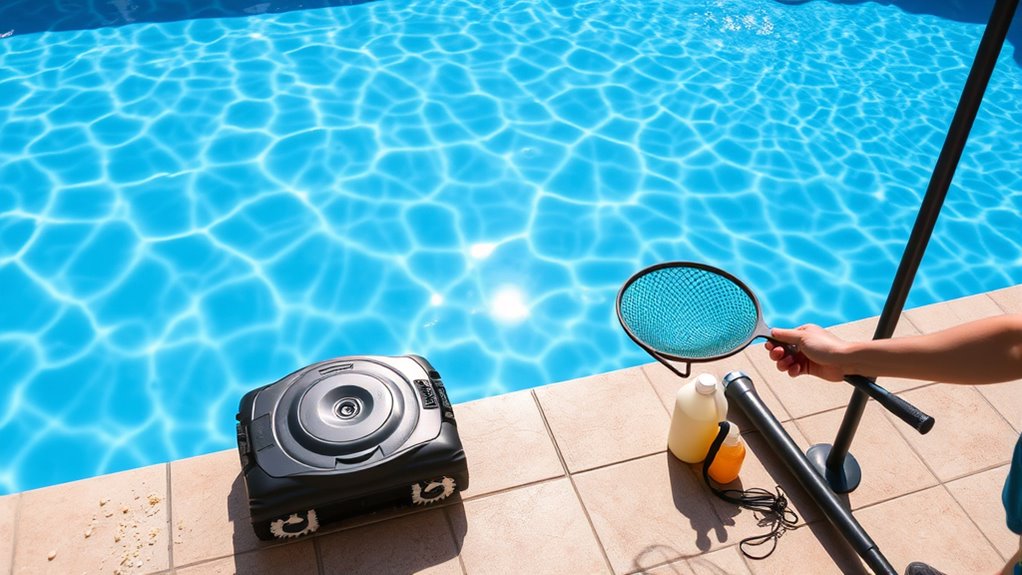

Even with automatic pool cleaners handling debris, you still need to manage water chemistry, inspect and maintain equipment, and monitor water levels. Regularly test and balance pH, alkalinity, and sanitizer levels to keep water safe and clear. You also need to skim surface debris, clean and replace filters, and check for leaks or damage. Staying on top of these tasks guarantees your pool stays in great shape—continue to explore for more tips on effective pool maintenance.

Get cleaning gear delivered free with Prime
- Fast, free delivery on millions of items
- Prime Video, Amazon Music and more included
- Member-only deals all year
Key Takeaways
- Regularly test and adjust water chemistry to maintain optimal pH, alkalinity, and sanitizer levels.
- Inspect and clean pool filters, skimmers, and pump components weekly for proper operation.
- Skim the pool surface daily to remove floating debris and prevent algae growth.
- Monitor water levels and top off to ensure effective circulation and equipment protection.
- Check for leaks or damage in hoses and pool equipment, repairing or replacing parts as needed.
Regularly Checking and Balancing Water Chemistry
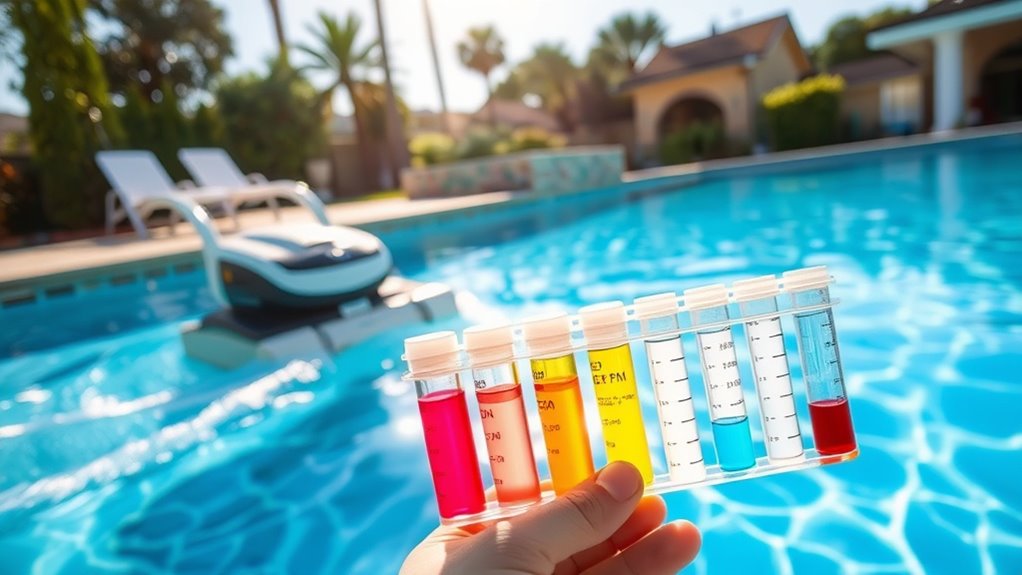
Regularly checking and balancing your pool’s water chemistry is essential to keep the water clean and safe. Consistent water testing helps you monitor levels of pH, alkalinity, and sanitizer, ensuring everything stays within proper ranges. Chemical balancing involves adjusting these levels as needed, which prevents issues like algae growth, cloudy water, or skin irritation. Use testing kits or electronic testers to get accurate readings, and add chemicals like chlorine or pH adjusters to correct imbalances promptly. Maintaining proper water chemistry is a crucial part of pool maintenance, helping to extend the life of your automatic cleaner and ensuring a healthier swimming environment. By staying proactive with water testing and chemical balancing, you minimize strain on your automatic cleaner and maintain a healthier swimming environment. Regular maintenance keeps your pool inviting and safe, allowing you to enjoy it without worry about water quality problems.
Inspecting and Maintaining Pool Equipment
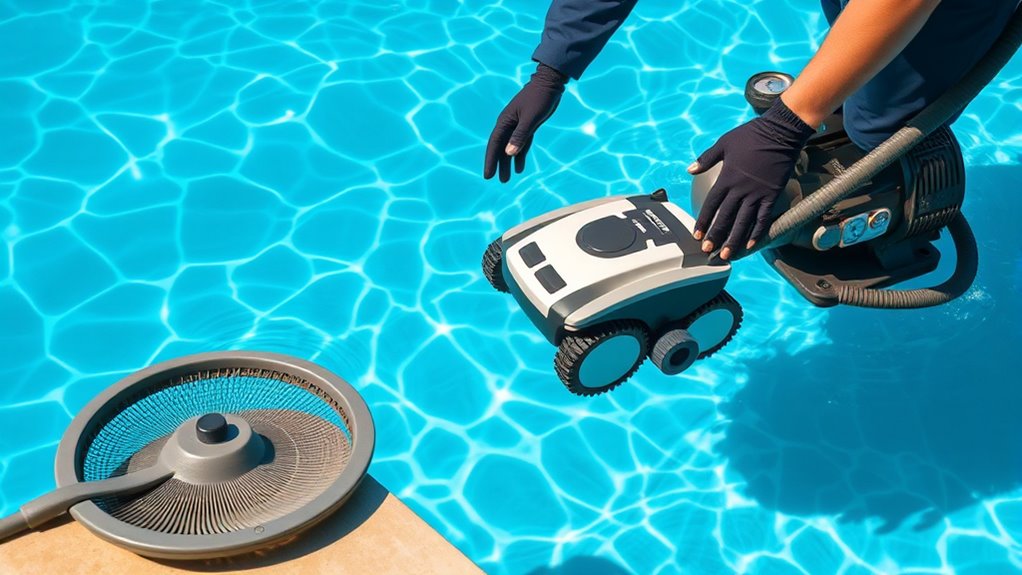
Regularly inspecting your pool equipment guarantees everything runs smoothly and prevents costly repairs. You should follow an equipment inspection schedule, check the pump’s operation, and keep the filter system clean. Staying on top of these tasks helps your automatic cleaner work more effectively and extends the life of your equipment. For optimal performance, consider the contrast ratio of your equipment, which influences the clarity and detail of your pool visuals. Additionally, understanding the importance of professional equipment can lead to better maintenance practices and longer-lasting systems. Regularly monitoring for signs of equipment spoilage, such as unusual noises or leaks, can also prevent unexpected breakdowns and ensure your pool remains in top condition. Recognizing the benefits of self-watering technology can help you implement more efficient maintenance routines and prolong equipment lifespan. Incorporating vetted pool reviews can help you select reliable products and maintenance tools.
Equipment Inspection Schedule
To keep your automatic pool cleaner functioning effectively, establishing a consistent inspection schedule is essential. Regularly check your pool cover for tears or debris that can lead to algae buildup. Inspecting equipment like filters and skimmers helps prevent issues before they escalate, ensuring algae prevention and crystal-clear water. Create a routine to examine your equipment at least once a week. Additionally, maintaining proper postpartum care is vital for overall family well-being, especially during the transition to parenthood. Regularly reviewing your pool maintenance routines can also prolong the lifespan of your equipment and improve overall pool health. Incorporating essential oils for pool safety can provide natural antimicrobial benefits that support a clean and healthy swimming environment. Staying informed about family photoshoot fails can help you avoid unexpected mishaps during family gatherings around the pool. Incorporating insights from celebrity transformations can inspire innovative ways to update your pool area and enjoy a more luxurious experience.
Checking Pump Functionality
Making certain your pool pump functions properly is crucial for maintaining clear, healthy water. Start by listening for unusual pump noise, which can indicate issues like cavitation or worn bearings. Check for leaks or loose connections around the pump, as these can affect performance. Regularly inspect the pump’s strainer basket and remove any debris to prevent blockages. A malfunctioning pump can cause chemical imbalance, leading to cloudy water or algae growth, so address problems promptly. Keep an eye on pool equipment for signs of wear or damage, and perform routine checks to ensure everything operates smoothly. Make sure the pump runs smoothly and consistently during operation. If you notice persistent noise or reduced flow, it’s time to troubleshoot or call a professional. Maintaining proper system efficiency can help prevent unnecessary strain on your pump and other components. Keeping your pump in good condition helps maintain proper circulation, which is essential for overall pool health and water clarity. Ensuring proper pump maintenance can also extend the lifespan of your equipment and prevent costly repairs. Additionally, staying informed about AI safety developments can help pool technology evolve with enhanced security features. Regular cleaning and servicing of the pump can prevent internal component failures, preserving efficiency and reducing downtime.
Filter System Maintenance
Inspecting and maintaining your pool’s filter system is essential for keeping water clean and clear. Regular checks prevent algae buildup and ensure proper chemical balancing. Clean your filter regularly by removing debris and rinsing it thoroughly. Monitor pressure levels; high pressure indicates a dirty filter. Keep an eye on the flow rate to avoid strain on your pump. Proper filter maintenance helps prevent algae growth and maintains ideal chemical balance. Using high-quality filters can extend the life of your system and improve overall filtration efficiency. This is especially important because filter media can become clogged or degraded over time, reducing effectiveness. Regular filter system maintenance can also help identify potential issues early, saving you time and costly repairs. Additionally, staying informed about the latest textile art techniques can inspire innovative ways to approach your pool decor. Maintaining your filter system is also crucial for the longevity of your pool equipment and to minimize energy consumption. Use this table to understand key filter tasks:
| Task | Purpose | Frequency |
|---|---|---|
| Clean filter | Remove debris and algae | Weekly |
| Check pressure | Detect clogging | Weekly |
| Replace media | Maintain filtration efficiency | Annually |
| Inspect seals | Prevent leaks | Monthly |
| Backwash system | Remove trapped dirt | When pressure rises |
Consistent maintenance keeps your pool sparkling, and understanding how filter system maintenance impacts overall pool health can help you stay on top of your pool care routine.
Skimming and Removing Surface Debris

Regularly skimming the pool’s surface is essential for keeping debris like leaves, insects, and dirt from sinking to the bottom or clogging your automatic cleaner. Use a leaf net or skimmer to remove floating debris daily, especially during windy or fall months. This not only improves water clarity but also helps with algae control by reducing organic material that fuels algae growth. Prompt leaf removal prevents buildup that can lead to stains or cloudy water. Additionally, it lessens the strain on your automatic cleaner, allowing it to focus on deeper dirt and debris. Consistent surface skimming keeps your pool looking inviting and reduces the need for chemical treatments, ensuring your pool stays cleaner and healthier with less effort. Incorporating routine maintenance practices, such as setting regular schedules, can help you stay consistent with your pool maintenance routine. Regular debris removal also supports the overall health and wellness benefits of a clean pool environment by reducing bacteria and germs. Proper filter system maintenance enhances the efficiency of your automatic cleaner and maintains optimal water quality. Furthermore, understanding the effectiveness of cleaning methods can help you choose the best tools and techniques for your pool’s specific needs.
Cleaning and Replacing Filters

Regularly cleaning your filters guarantees your automatic cleaner works efficiently. You should check and clean them at least once a month, or more often if your pool gets heavy use. When filters become worn or damaged, replacing them promptly keeps your system running smoothly. Consistent maintenance helps prevent costly repairs and prolongs filter lifespan.
Subheading 1: Filter Cleaning Frequency
Since filters play a crucial role in keeping your pool water clean, it’s important to clean or replace them regularly. How often you do so depends on usage and water conditions. In weekly pool cover maintenance, check filters for debris and dirt buildup, especially if debris enters when the cover is off. Regular cleaning prevents clogging, ensuring your automatic cleaner functions effectively. Keep an eye on chemical dosing levels too, as proper chemical balance reduces the strain on filters. If you notice decreased flow or cloudy water despite routine cleaning, it’s time to replace the filters. Maintaining the right cleaning schedule prolongs filter life and keeps your pool water clear and inviting. Consistent filter care is essential for ideal pool performance.
Subheading 2: Replacing Worn Filters
Over time, even with consistent cleaning, filters can become worn out and lose their effectiveness. When this happens, filter replacement is necessary to maintain ideal debris removal and water quality. Worn filters may crack, clog, or become less efficient at trapping dirt and debris, which can strain your automatic cleaner and pump. Regularly inspect your filters for signs of damage or excessive wear. If you notice tears, holes, or a significant buildup that won’t wash away, it’s time to replace them. Proper filter replacement ensures your pool stays clean and clear. Keep a few spare filters on hand for quick swaps. This simple maintenance step keeps your automatic cleaner working efficiently and reduces the workload on your pool’s filtration system.
Monitoring Water Levels and Circulation

Are you keeping an eye on your pool’s water levels and circulation? Proper monitoring guarantees your automatic cleaner works efficiently and maintains water balance. Low water levels can disrupt circulation and reduce chlorine effectiveness, risking algae growth. Regularly check and top off your pool to keep levels steady. Circulation is essential for even chlorine distribution and algae prevention. Use the table below to understand key factors:
| Factor | Ideal Range | Impact of Imbalance |
|---|---|---|
| Water Level | Mid-skimmer height | Poor skimming, equipment damage |
| Circulation Rate | 8-10 hours per day | Stagnant areas, algae buildup |
| Chlorine Dosage | 1-3 ppm | Ineffective sanitation, algae risk |
| pH Balance | 7.2-7.6 | Reduced chlorine efficiency |
| Debris Removal | Regular cleaning | Maintains circulation, prevents clogs |
Tracing and Repairing Leaks or Damage
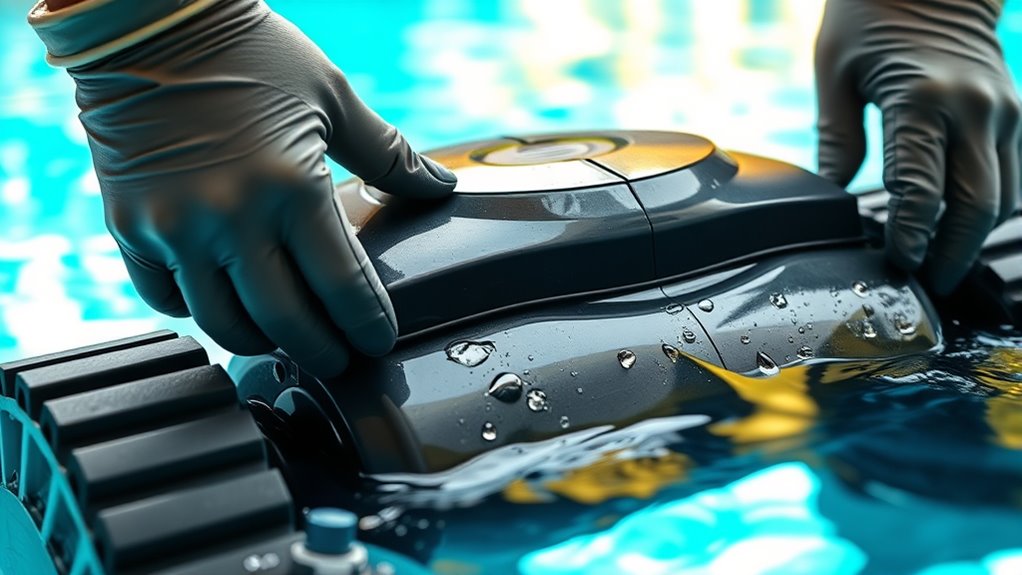
Leaks or damage to your pool’s automatic cleaner can compromise its performance and lead to costly repairs if not addressed promptly. You need to carefully trace the source of leaks or damage to prevent further issues. Look for signs like water loss, wet spots, or mold around the cleaner. Common problems include cracked hoses, damaged seals, or worn-out parts. To fix these issues, you may need to patch leaks or repair cracks in hoses or the cleaner’s body. Regular inspection helps identify small issues before they escalate. Consider these steps:
- Checking hoses and connections for cracks
- Patching leaks with appropriate sealants
- Repairing cracks on the cleaner’s body or parts
Addressing damage early keeps your cleaner functioning efficiently and extends its lifespan.
Frequently Asked Questions
How Often Should I Manually Test My Pool’S Water Chemistry?
You should test your pool’s water chemistry at least twice a week to maintain proper chemical balance. Regular testing guarantees your chlorine, pH, alkalinity, and other levels stay within ideal ranges, preventing issues like algae growth or corrosion. Stick to a consistent testing schedule, especially during hot weather or heavy usage, to keep your pool safe, clean, and inviting. Don’t forget, regular manual testing is key even with automatic cleaners in place.
What Signs Indicate My Pool Equipment Needs Repair or Replacement?
You’ll notice signs like strange noises, such as unusual pump noise troubleshooting, or if your pool cover maintenance becomes difficult, indicating your equipment might need repair or replacement. Watch for water flow issues, leaks, or if your pump struggles to prime. These clues suggest it’s time to examine your pool equipment. Staying attentive helps ensure smooth operation, preventing bigger problems down the line and keeping your pool in top shape.
How Can I Prevent Algae Growth Despite Automatic Cleaning?
To prevent algae growth, you need to focus on algae prevention and chemical balancing. Regularly test your water and adjust your pH and chlorine levels to keep the water disinfected and less inviting for algae. Even with automatic cleaners, brushing the walls and skimming debris helps remove spores before they settle. Consistent maintenance guarantees your pool stays clear and algae-free, reducing the need for costly treatments later.
What Are the Safest Methods for Manually Cleaning Pool Filters?
Imagine your pool filter as a guardian of crystal-clear waters. To keep it brave and effective, prioritize pool filter safety by turning off the pump before cleaning. Use gentle manual cleaning techniques, like a soft brush or sponge, to remove debris without damaging delicate parts. Wear gloves for hygiene, and rinse thoroughly. These simple steps guarantee your filter stays healthy, so your pool remains a sparkling oasis.
How Do I Identify and Fix Subtle Leaks in My Pool System?
To identify subtle leaks in your pool system, use detection techniques like checking for wet spots, listening for hissing sounds, or performing dye tests around fittings and seals. Once you locate the leak, apply repair strategies such as tightening fittings, replacing worn seals, or patching small cracks. Regular inspections help catch leaks early, saving water and preventing costly damage. Stay vigilant and act promptly to maintain a healthy, efficient pool system.
Conclusion
Even with automatic cleaners doing most of the work, maintaining your pool still requires some manual effort—think of it as tending a garden that constantly needs your attention. Regularly checking water chemistry, inspecting equipment, and removing debris guarantees your pool stays clean and inviting. By staying proactive, you’ll keep your pool sparkling like a gem, ready for your next swim. Remember, a little effort now saves you from bigger headaches later.
Fall Picks
fall essentials
As an affiliate, we earn on qualifying purchases.