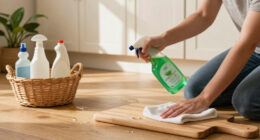
One common mistake is not following manufacturer’s dilution guidelines, which can lead to ineffective cleaning or wasted products. You might use too much cleaner, risking damage or safety issues, or too little, leaving surfaces unclean. Mixing solutions improperly can cause inconsistent results and environmental harm. Poor ventilation or skipping safety gear increases health risks. To avoid these pitfalls and achieve better results, it’s essential to understand proper dilution techniques and safety practices. Keep exploring to learn more.

Get cleaning gear delivered free with Prime
- Fast, free delivery on millions of items
- Prime Video, Amazon Music and more included
- Member-only deals all year
Key Takeaways
- Failing to follow manufacturer’s dilution guidelines leads to ineffective cleaning or wasted chemicals.
- Over-diluting or under-diluting solutions compromises cleaning quality and surface safety.
- Using inaccurate measuring tools causes inconsistent dilution and cleaning results.
- Neglecting proper ventilation during cleaning increases health risks from airborne chemicals.
- Storing concentrated cleaners improperly can result in accidental spills or health hazards.
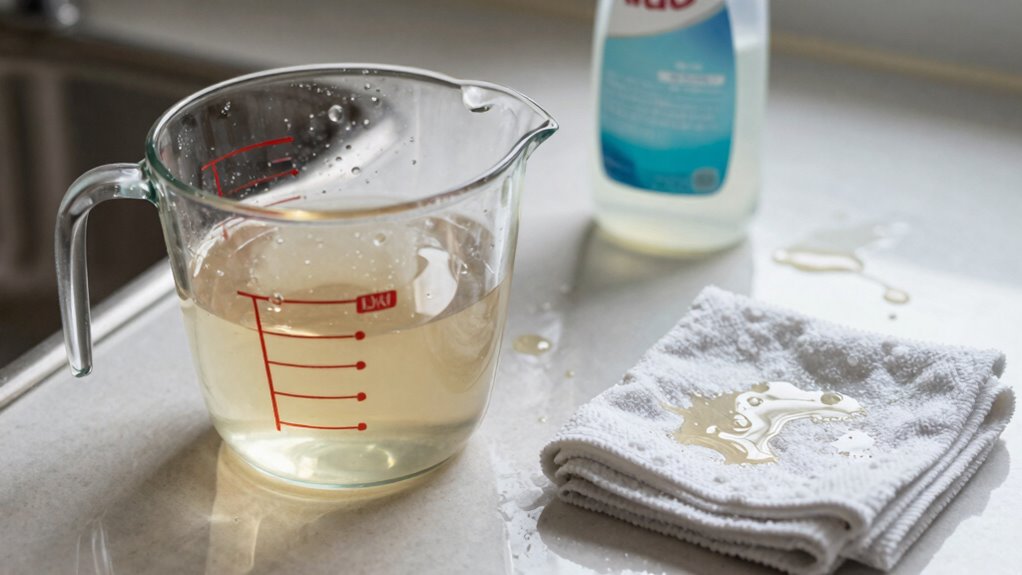
Have you ever wondered if you’re diluting your cleaning solutions correctly? Many people overlook this step, assuming the instructions are straightforward, but improper dilution can lead to ineffective cleaning or unnecessary waste. One common mistake is using too much or too little cleaning solution, which can compromise the job’s quality and increase your expenses. To avoid this, it’s crucial to measure carefully and follow the manufacturer’s guidelines. When you’re considering eco-friendly alternatives, the importance of accurate dilution becomes even more critical. These options often have concentrated formulas, meaning you need to mix them precisely to maximize their effectiveness while minimizing environmental impact. Proper dilution not only guarantees your surfaces get cleaned effectively but also helps you reduce chemical runoff, supporting your efforts to be more environmentally responsible. Additionally, understanding the role of ventilation can help disperse any airborne chemicals, contributing to healthier indoor air quality. Ensuring proper air circulation during cleaning is essential to maintain good indoor air quality and reduce potential health risks. Using proper ventilation during and after cleaning can also mitigate potential health risks associated with airborne chemicals. Safety precautions are essential when handling cleaning solutions, especially concentrated ones. Always read labels thoroughly and wear protective gear like gloves and goggles if recommended. Incorrect dilution can lead to stronger chemicals in your environment, risking skin irritation or respiratory issues. It’s also helpful to keep a dedicated measuring cup** or bottle for mixing cleaning solutions to prevent accidental overuse or spills. Additionally, storing concentrated cleaners out of reach of children or pets is a safety necessity. When you’re experimenting with eco-friendly alternatives, be extra cautious, as some natural ingredients can cause allergic reactions or irritations if not handled properly. Proper safety precautions ensure you protect yourself and your loved ones while maintaining an effective cleaning routine, and understanding standard dilution ratios** can help you achieve consistent results.
Products Worth Considering

Google Nest Cam Indoor/Outdoor Battery Security Camera

Bose TV Speaker Compact Soundbar with Bluetooth and HDMI-ARC, Black

Shark NV752 Rotator Powered Lift-Away TruePet Upright Vacuum, Bordeaux
As an affiliate, we earn on qualifying purchases.
Frequently Asked Questions
How Can I Tell if My Cleaning Solution Is Too Concentrated?
You can tell your cleaning solution is too concentrated if it leaves streaks or residue during stain removal or odor control. If surfaces feel sticky or smell overly strong, it’s a sign you’re using too much cleaner. Test a small area first, and if it’s difficult to wipe away or if the smell is overpowering, dilute the solution more. Proper dilution guarantees effective cleaning without causing damage or leaving residues.
What Are the Signs of Over-Dilution in Cleaning Products?
If your cleaning product seems to vanish into thin air, you’re likely over-diluting. Signs include poor cleaning performance, streaks, or a strange smell—like the solution’s trying to tell you it’s chemically unsafe. Over-dilution messes with pH levels, compromising chemical safety and effectiveness. Remember, a weak solution isn’t just ineffective; it can also lead to misjudging cleaning needs, making your efforts futile and your surfaces unclean.
Are There Specific Tools That Help With Proper Dilution?
Yes, you can use measuring tools like graduated cups or syringes to guarantee accurate dilution. Additionally, dilution charts are handy references that guide you on the correct ratios for different cleaning products. By combining these tools, you reduce the risk of over- or under-dilution, ensuring effective cleaning and safe use. Always double-check measurements and follow chart instructions for the best results.
How Often Should I Check the Dilution Ratio During Cleaning?
You should check the dilution ratio regularly during cleaning, especially if you’re using mixing techniques that involve multiple solutions. It’s best to verify the ratio every time you prepare a new batch or if you’re changing cleaning tasks. Store your cleaning solutions in clearly labeled containers and follow storage tips to prevent accidental dilution mistakes. Consistent checks guarantee effective cleaning and help avoid over or under-dilution, keeping your surfaces safe and clean.
Can Improper Dilution Damage Surfaces or Appliances?
Improper dilution can definitely harm surfaces and shorten appliance longevity. When cleaning solutions are too concentrated, they can cause surface damage or corrosion, while overly diluted solutions might be ineffective, prompting repeated cleaning and potential wear. To maintain surface safety and protect your appliances, always follow manufacturer instructions, measure carefully, and check your dilution ratios regularly. Correct dilution ensures effective cleaning without risking damage or reducing appliance lifespan.
Conclusion
Avoid the pitfalls of improper dilution like a cautious sailor steering clear of rocky shores. When you measure carefully and follow instructions, you’re guiding your cleaning journey smoothly, avoiding the chaos of over- or under-concentrated solutions. Just as a master chef balances flavors, your attention to dilution ensures sparkling results without waste or damage. Keep these habits in mind, and you’ll steer clear of common mistakes, turning everyday cleaning into a breeze—your own well-charted course to a spotless home.