
TL;DR
Prime for Young Adults — start your free trial
Fast free delivery, streaming and member deals for eligible 18–24 year olds.
Try it freeAs an affiliate, we earn on qualifying purchases.
Shredded paper is often rejected from recycling bins due to contamination and processing issues. Experts warn consumers to check local guidelines before recycling shredded documents to avoid contamination and recycling failures.
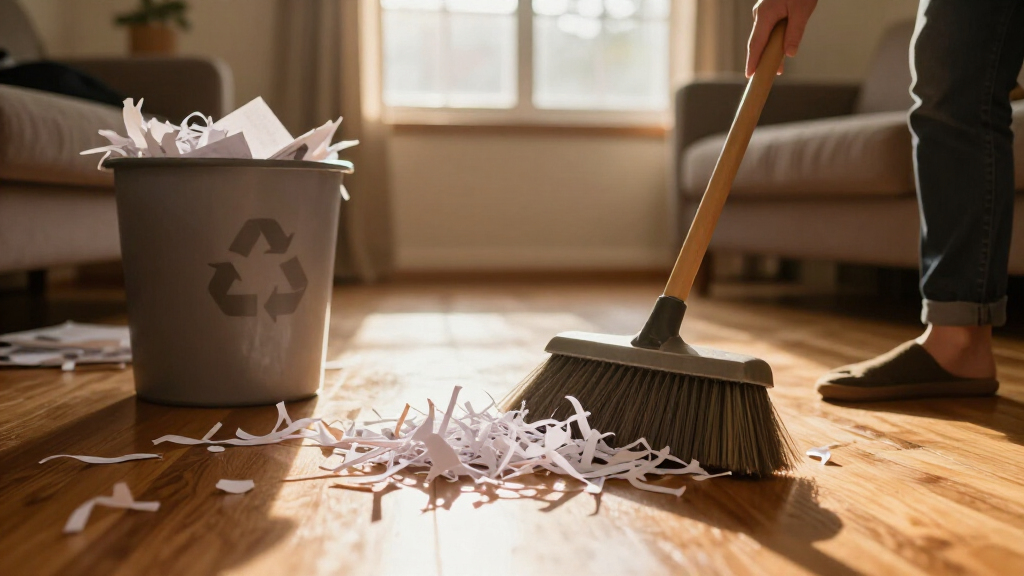
Many households are surprised to learn that **shredded paper frequently cannot be accepted in curbside recycling bins**, despite common assumptions that all paper products are recyclable. This issue is gaining attention as recycling programs report higher rejection rates of shredded paper, prompting questions about the reasons behind this widespread problem. The key confirmed fact is that most local recycling facilities do not accept shredded paper due to contamination and processing challenges, which can lead to recycling contamination and increased costs.
Recycling experts and waste management authorities confirm that shredded paper often causes problems in recycling streams. The primary issue is that shredded paper tends to fall apart easily, creating small fragments that are difficult to separate during processing. These tiny particles can contaminate other recyclable materials, such as plastics and metals, leading to entire batches being rejected or sent to landfills. Additionally, shredded paper is more likely to blow away or scatter during collection, increasing litter and contamination risks. Many recycling programs specify that shredded paper should be placed in sealed paper bags or containers before disposal, but even then, acceptance varies widely by location.
Some municipalities and private recycling services explicitly state that shredded paper is not accepted in curbside bins, citing the difficulty in sorting and cleaning. According to the Recycling Partnership, shredded paper can clog sorting machinery, which is designed for larger, intact paper products. As a result, many facilities have adopted policies to exclude shredded paper altogether, despite the environmental benefits of recycling paper waste. The trend signal indicates rising public interest in understanding proper recycling methods for shredded paper, especially as more people work from home and generate more confidential documents to shred.
Implications for Household Recycling Practices
This development matters because improper disposal of shredded paper can undermine recycling efforts, leading to increased waste sent to landfills and higher processing costs. For consumers, it highlights the importance of checking local guidelines before tossing shredded documents into the bin. Failure to do so could result in contamination of other recyclable materials, delays in processing, and even fines or penalties in some jurisdictions. Environmental advocates emphasize that understanding these nuances helps maximize recycling efficiency and reduce landfill overflow, which is critical amid rising waste management challenges worldwide.
As an affiliate, we earn on qualifying purchases.
Growing Confusion Over Shredded Paper Recycling Rules
The issue of shredded paper recycling has gained attention amid broader concerns about waste reduction and sustainable disposal. Historically, shredded paper was considered recyclable as part of regular paper waste, but recent reports from waste facilities indicate a shift in acceptance policies. The trend signal suggests increased public searches and media coverage about what can and cannot be recycled, reflecting confusion among consumers. This confusion is compounded by inconsistent guidelines across municipalities, with some accepting shredded paper if properly contained, while others outright reject it. The lack of a unified standard has contributed to increased contamination and processing problems at recycling centers.
While the trend is clear, the exact reasons for the rejection of shredded paper are still being investigated by waste management authorities. Industry insiders point to machinery limitations and contamination risks, but specific policy decisions vary widely. The rising interest in the topic indicates that more consumers are seeking clarity on how to dispose of shredded documents responsibly, especially as document shredding becomes more common for privacy and security reasons.
Unconfirmed Reasons Behind Recycling Policy Changes
While it is confirmed that shredded paper is often rejected due to contamination and machinery issues, the precise reasons for policy shifts across different regions are still unclear. It is not yet confirmed whether these changes are driven by technological limitations, cost considerations, or environmental policies. Additionally, the extent to which shredded paper recycling could be improved with new technology remains unverified. Ongoing investigations by waste management authorities aim to clarify these points, but definitive explanations have not yet been published.
Future Policies and Public Guidance on Shredded Paper
Expect further updates from local and national waste agencies as they analyze the impact of shredded paper on recycling systems. Authorities may develop new guidelines or pilot programs to safely recycle shredded paper, possibly involving specialized collection or processing methods. Meanwhile, consumers are advised to stay informed by checking local recycling rules and to consider alternative disposal methods, such as composting or secure destruction for sensitive documents. Increased research and technological development could eventually lead to more inclusive recycling options for shredded paper.
Key Questions
Can I recycle shredded paper in my curbside bin?
Most recycling programs do not accept shredded paper in curbside bins due to contamination and machinery issues. Check your local guidelines for specific instructions.
How should I dispose of shredded paper properly?
If accepted, shredder waste should be placed in sealed paper bags or containers. Otherwise, consider composting or secure destruction for sensitive documents.
Why do recycling centers reject shredded paper?
Shredded paper can clog sorting machinery, cause contamination, and scatter during collection, complicating the recycling process.
Are there any technological solutions to recycle shredded paper?
Some innovations are being explored, but widespread solutions are not yet available. Ongoing research aims to improve processing methods for shredded paper.
Will guidelines change in the future?
It is possible that new policies or technologies will allow better recycling of shredded paper, but no definitive timeline has been announced.
Source: rss
Fall yard work Picks
leaf blowers
As an affiliate, we earn on qualifying purchases.