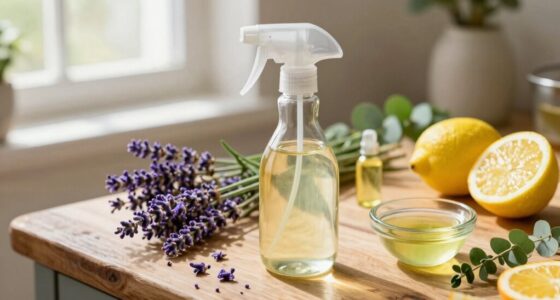

Plant-based cleaning products effectively use natural ingredients to clean surfaces and reduce exposure to synthetic chemicals. They’re gentle on the environment and often free from artificial fragrances and dyes. However, they may struggle with stubborn stains, heavy grime, or bacteria, requiring multiple applications or stronger cleaners. Allergies or sensitivities can still be an issue, so checking labels is essential. To discover how to make the most of these eco-friendly options, keep exploring what they do best—and where they fall short.
Get ready for Prime Big Deal Days — try Prime free
Exclusive member deals on October 6–7, plus fast free delivery. Cancel anytime.
As an affiliate, we earn on qualifying purchases.
Key Takeaways
- Effective for everyday cleaning and light stains but may struggle with heavy-duty grime or stubborn bacteria.
- Generally free from synthetic fragrances and dyes, reducing chemical exposure risks.
- Biodegradability and eco-friendliness depend on ingredient sourcing and formulation practices.
- Natural ingredients can cause allergies or skin irritation; careful label review is essential.
- Multiple applications or additional disinfectants might be necessary for deep cleaning or disinfecting surfaces.

Despite their benefits, plant-based cleaning products aren’t without drawbacks. One common concern is allergen potential. Because these cleaners contain natural ingredients like citrus extracts, essential oils, and plant extracts, they can trigger allergic reactions in sensitive individuals. If you or someone in your household has allergies or respiratory issues, it’s essential to review ingredient labels carefully. While these products are generally free from synthetic fragrances and dyes, natural ingredients can still cause skin irritation or allergic responses. Testing a small area first can help prevent unwanted reactions.
Another limitation is that plant-based cleaners might not be as potent against certain types of stains or bacteria as chemical-heavy counterparts. For stubborn grime, mold, or heavy-duty cleaning, some natural formulas may require multiple applications or additional scrubbing. They often lack the strong disinfectant properties of traditional chemical disinfectants, so if disinfection is your primary goal, you might need to supplement with a specific antimicrobial product. Additionally, the biodegradability of ingredients can vary between brands, influencing their overall environmental benefits. It’s also worth noting that some natural ingredients, while eco-friendly, can still have potential environmental impacts if not sourced sustainably.
plant-based all-purpose cleaner for light stains
As an affiliate, we earn on qualifying purchases.
As an affiliate, we earn on qualifying purchases.
Frequently Asked Questions
Are Plant-Based Cleaners as Effective as Traditional Chemical Cleaners?
Plant-based cleaners can be just as effective as traditional chemical cleaners, especially for everyday messes. They often feature a natural scent that’s pleasant and less harsh. Plus, you’ll benefit from a lower environmental impact since they break down more easily and contain fewer toxic ingredients. However, for stubborn stains or heavy-duty cleaning, some plant-based options might need a little extra effort or multiple applications.
How Long Do Plant-Based Cleaning Products Last on Shelves?
Plant-based cleaning products typically last on shelves for about one to two years, depending on their ingredients and packaging. You should check the shelf stability and expiration dates printed on the label for the most accurate information. Proper storage in a cool, dry place can help prolong their shelf life. Always use products before the expiration date to guarantee effectiveness and safety.
Can Plant-Based Cleaners Eliminate Tough Stains and Grime?
Surprisingly, plant-based cleaners often can’t tackle the toughest stains and grime, defying their eco-friendly reputation. Their biodegradability concerns mean they’re gentle, but that also limits their power against stubborn messes. Plus, scent preferences matter—if you prefer a strong aroma, these might fall short. While they’re excellent for light cleaning, don’t expect them to replace heavy-duty solutions when dealing with serious dirt or grime buildup.
Are Plant-Based Cleaning Products Safe for Pets and Children?
Yes, plant-based cleaning products are generally safe for pets and children when used as directed. They’re designed with pet safety and children’s health in mind, avoiding harsh chemicals that could cause harm. However, it’s still essential to keep pets and kids away from freshly cleaned surfaces until they’re dry. Always read labels carefully to confirm the product is non-toxic and suitable for your household’s safety needs.
Do Plant-Based Cleaners Cause Any Allergic Reactions?
Plant-based cleaners can cause allergic reactions if you have sensitivities to allergenic ingredients or natural irritants. While generally safer than chemical cleaners, some ingredients like essential oils or botanical extracts might trigger reactions in sensitive individuals. To reduce risks, check labels carefully, test a small area first, and choose products formulated for sensitive skin. With proper care, you can enjoy the benefits of plant-based cleaners without worry.
Conclusion
So, as you explore plant-based cleaning products, remember that their eco-friendly appeal often coincides with impressive stain-fighting power. While they’re great for your home and the planet, don’t expect them to tackle every tough grime with ease. Sometimes, the coincidence of gentle ingredients and effective cleaning can surprise you—just like discovering that what’s good for the environment can also be good for your cleaning routine. Embrace the balance, and you might just find your perfect match.
Fall yard work Picks
leaf blowers
As an affiliate, we earn on qualifying purchases.