
To clean hard water deposits safely, try eco-friendly methods like vinegar and baking soda. Spray vinegar-based solutions on surfaces after use to prevent buildup, or soak fixtures in vinegar overnight to dissolve mineral deposits. Using baking soda with vinegar creates a fizzy scrub that lifts grime naturally. Installing water softening filters also helps reduce mineral content. These gentle techniques are effective and eco-conscious, and if you keep exploring, you’ll discover even more sustainable tips for maintaining your fixtures.

Get cleaning gear delivered free — and shop member deals
- Fast, free delivery on millions of items
- Access to Prime Big Deal Days deals on October 6–7
- Prime Video, Amazon Music and more included
Key Takeaways
- Use vinegar and baking soda for natural, chemical-free mineral deposit removal and soap scum cleaning.
- Install water softening filters or showerheads to reduce mineral content before reaching fixtures.
- Regularly wipe surfaces with vinegar-based sprays to prevent mineral buildup naturally.
- Soak fixtures in vinegar overnight to dissolve stubborn mineral deposits safely and effectively.
- Maintain a routine of natural cleaning to extend fixture lifespan and minimize harsh chemical use.
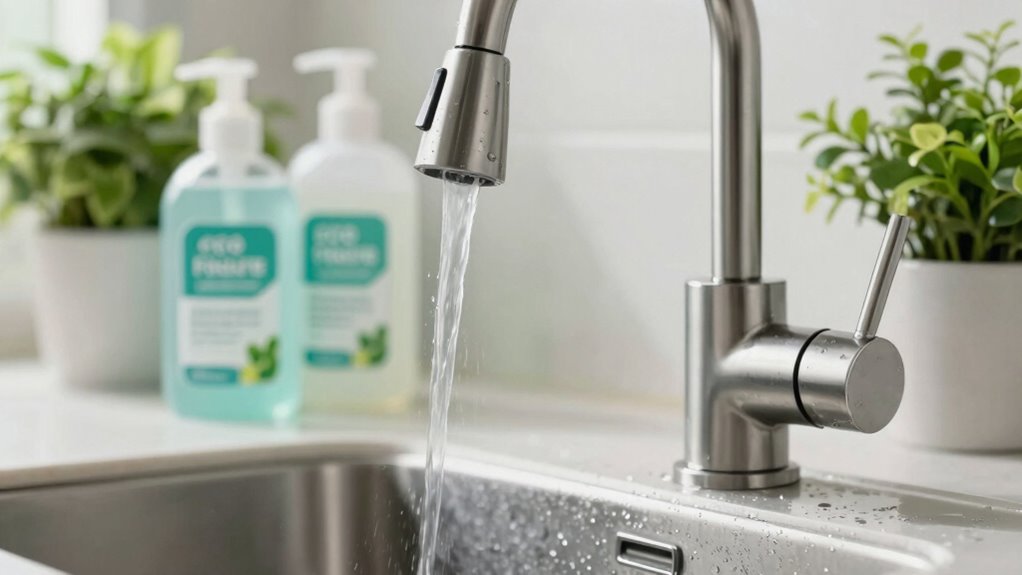
Hard water can leave unsightly mineral deposits and soap scum on your fixtures and surfaces, but switching to eco-friendly cleaning methods makes a difference for both your home and the environment. One effective approach is water softening, which reduces the minerals—mainly calcium and magnesium—that cause hard water problems. You can install a water softener system that uses natural salt or potassium, which replaces mineral ions with sodium or potassium ions. This process prevents mineral buildup from forming on your fixtures, making cleaning easier and less frequent. Plus, softer water improves the efficiency of your soap and detergent, reducing the need for harsh chemicals.
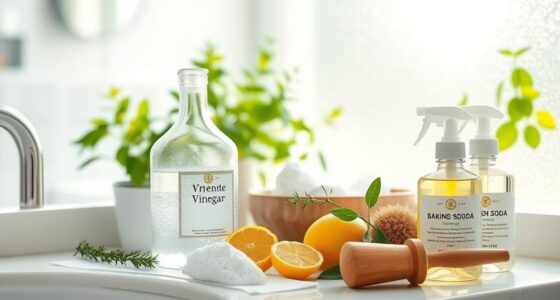
When tackling existing mineral buildup, natural removal methods work well without the need for abrasive cleaners. Vinegar, for example, is a powerhouse for mineral buildup removal because acetic acid dissolves calcium and magnesium deposits. You simply soak a cloth or sponge in white vinegar and apply it to affected areas. Let it sit for 15-30 minutes, then scrub gently with a soft brush or cloth. For tougher deposits, you can heat the vinegar slightly to increase its effectiveness. This method not only cleans but also deodorizes surfaces, leaving your fixtures sparkling without the use of toxic chemicals. Using natural mineral removal techniques can further enhance your cleaning routine. Incorporating hard water prevention strategies like water softeners can reduce the frequency of cleaning and extend the life of your fixtures.
Baking soda is another eco-friendly staple that works hand-in-hand with vinegar. Creating a paste of baking soda and water allows you to scrub away soap scum and mineral deposits on sinks, tubs, and tiles. When combined with vinegar, it creates a fizzy reaction that lifts mineral deposits and grime. This natural cleaning duo is safe for your plumbing and the environment, and it avoids the harsh fumes of chemical cleaners. For showerheads and faucets plagued with mineral buildup, remove them and soak in vinegar overnight, then scrub away any remaining deposits. Regularly preventing mineral buildup helps maintain your fixtures and reduces the need for deep cleaning.
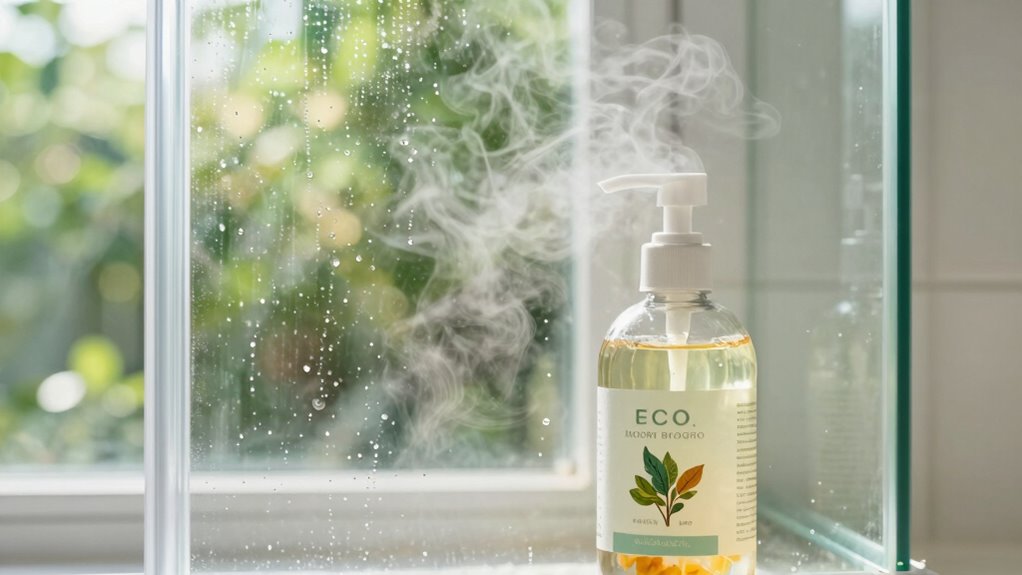
Maintaining your fixtures with regular, eco-friendly cleaning prevents the buildup from becoming stubborn. Wiping down surfaces with a vinegar-based spray after each use discourages mineral deposits from settling in. Using natural cleaning solutions also extends the lifespan of your fixtures, as harsh chemicals can corrode finishes over time. You can also add a water softening showerhead or filter to reduce mineral content before it even reaches your fixtures, making mineral buildup removal and hard water cleaning much easier. Incorporating water softening techniques can significantly reduce mineral deposits and the need for frequent cleaning. Consistent maintenance is key to preserving the appearance and functionality of your fixtures over time.
Choosing eco-friendly solutions for hard water issues isn’t just good for your home; it’s a responsible choice for the planet. Water softening minimizes the need for frequent scrubbing, and natural mineral buildup removal keeps your surfaces gleaming without toxic residues. By integrating these methods into your routine, you create a cleaner, healthier environment while protecting your plumbing and reducing your ecological footprint.
eco-friendly hard water stain remover
As an affiliate, we earn on qualifying purchases.
As an affiliate, we earn on qualifying purchases.
Frequently Asked Questions
Are There Natural Remedies for Preventing Hard Water Buildup?
Yes, you can prevent mineral deposits from hard water buildup naturally. Water softening methods like using baking soda or vinegar help break down mineral deposits and reduce their accumulation. Installing a natural water softener, such as a salt-free system, can also prevent mineral buildup without harsh chemicals. Regularly cleaning fixtures with these solutions keeps mineral deposits at bay and maintains your plumbing’s health, making your home more eco-friendly.
How Often Should Eco-Friendly Hard Water Treatments Be Applied?
You should treat your water softening systems every three to six months to keep mineral deposits at bay. Remember, “A stitch in time saves nine,” so regular application prevents buildup and extends equipment lifespan. Consistent eco-friendly treatments help manage hard water effectively without harsh chemicals. Keep an eye on your appliances and fixtures—if you notice signs of mineral deposits, it’s time for another treatment to maintain peak performance.
Can Eco-Friendly Cleaning Products Remove Mineral Stains Effectively?
Yes, eco-friendly cleaning products can effectively remove mineral stains through natural chemical reactions. They often contain plant-based acids or enzymes that break down mineral deposits, making stain removal easier without harsh chemicals. When you use these products, you activate safe chemical reactions that lift stains without damaging surfaces or harming the environment. With consistent use, you’ll find mineral stains become less noticeable, maintaining a clean, eco-friendly home.
Are Homemade Solutions Safe for All Types of Plumbing?
Homemade solutions can be safe for your plumbing if you understand chemical reactions and plumbing compatibility. You should avoid highly acidic or alkaline mixtures that could damage pipes, especially if they’re made of sensitive materials. Test small amounts first, and opt for gentle ingredients like vinegar or baking soda. Always research your plumbing type and consider consulting a professional to prevent unintended damage from homemade cleaning solutions.
What Are the Long-Term Benefits of Eco-Friendly Hard Water Cleaning?
Did you know that eco-friendly cleaning methods can reduce water waste by up to 30%? By choosing environmentally conscious hard water cleaning, you lower your environmental impact and promote healthier ecosystems. Additionally, these methods boost cost efficiency over time by reducing the need for harsh chemicals and frequent repairs. Long-term, you’ll enjoy cleaner fixtures, healthier plumbing, and a smaller carbon footprint, making your home both sustainable and economical.
Conclusion
Choosing eco-friendly hard water cleaners is like tending a delicate garden—you must be gentle yet effective. I once tried a natural vinegar solution on my stubborn showerhead, and to my surprise, it sparkled without harsh chemicals. Studies show that sustainable cleaning methods can cut chemical runoff by up to 80%. By embracing gentle, eco-conscious products, you’re not only saving your fixtures but also nurturing our planet’s health—one clean surface at a time.
Fall Picks
fall essentials
As an affiliate, we earn on qualifying purchases.