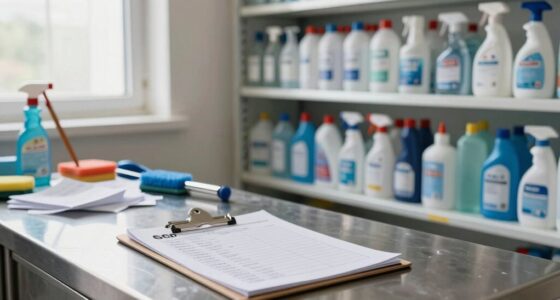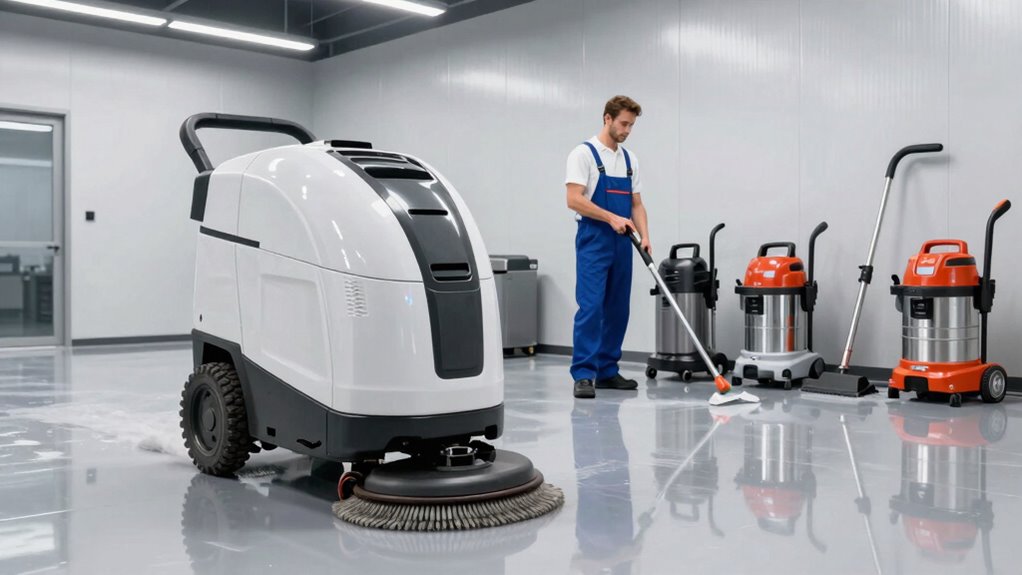

To decide whether to rent, buy, or outsource cleaning equipment, assess your cleaning needs, budget, and how often you’ll use the tools. If your requirements are occasional or short-term, renting might be best since it offers flexibility and includes maintenance. Buying suits ongoing needs and gives you long-term control, but you’ll handle upkeep. Outsourcing lets professionals manage specialized equipment, ensuring it’s current and effective. Exploring these options further helps you make smarter choices for your operations.

Get cleaning gear delivered free — and shop member deals
- Fast, free delivery on millions of items
- Access to Prime Big Deal Days deals on October 6–7
- Prime Video, Amazon Music and more included
Key Takeaways
- Assess cleaning frequency, complexity, and specific requirements to determine if equipment investment or outsourcing is more practical.
- Compare costs and responsibilities of purchasing, renting, and outsourcing, considering long-term maintenance and operational needs.
- Stay informed on technological advances to decide if renting or outsourcing provides access to the latest innovations.
- Consider environmental sustainability and industry trends to choose eco-friendly and future-proof cleaning solutions.
- Evaluate resource availability, budget, and expertise to select the most efficient and cost-effective option for your needs.

When it comes to maintaining a clean and professional space, choosing the right approach for your cleaning equipment can make a significant difference. Whether you decide to rent, buy, or outsource, understanding your needs and resources is essential. Modern cleaning technology offers a wide range of options, from high-tech scrubbers to advanced vacuums, which can influence your decision. If your cleaning requirements are frequent and specialized, investing in equipment may be worthwhile. However, if your needs are sporadic or temporary, renting can be a cost-effective solution. Outsourcing cleaning services lets you leverage professional expertise and the latest technology without the burden of maintenance and storage.
Your choice should also consider the maintenance schedules associated with different options. Buying equipment means you’re responsible for regular upkeep to ensure it operates efficiently and lasts longer. This includes routine checks, repairs, and adhering to manufacturer recommendations for maintenance. If you’re not prepared to handle these schedules, investing in equipment might prove costly and time-consuming. On the other hand, rental agreements often include maintenance as part of the package, saving you effort and unexpected expenses. When outsourcing, the cleaning service manages all maintenance, allowing you to focus on your core operations.
Another factor is the pace of technological advancement. Cleaning technology evolves rapidly, and purchasing equipment means you might need frequent upgrades to stay current. Renting can give you access to the latest innovations without the upfront investment, especially if your cleaning needs change over time. Outsourcing also ensures you benefit from the latest technology, as professional cleaning companies continually update their equipment to meet industry standards. Incorporating advanced cleaning equipment powered by innovations like 3D scanning and printing can further enhance cleaning efficiency and effectiveness. Staying informed about technological innovation in cleaning can help you make smarter decisions about your cleaning methods and investments. Additionally, understanding industry trends can help you anticipate future needs and adapt accordingly. Being aware of biodiversity and conservation principles can also guide environmentally sustainable choices in cleaning practices and equipment. Furthermore, keeping up with emerging cleaning technologies can provide a competitive advantage and improve overall service quality.
industrial carpet cleaning machine rental
As an affiliate, we earn on qualifying purchases.
As an affiliate, we earn on qualifying purchases.
Frequently Asked Questions
How Do Maintenance Costs Impact Rental or Purchase Decisions?
Maintenance costs considerably influence your decision by affecting overall expenses. Conduct a thorough cost analysis, including maintenance schedules, to compare rental and purchase options. If maintenance costs are high and frequent, renting might be more cost-effective, saving you from unexpected expenses. Conversely, if maintenance is manageable and long-term use is planned, buying could be better. Always weigh ongoing maintenance costs against initial investment to make informed choices.
Are There Environmental Considerations for Renting Versus Buying Cleaning Equipment?
Renting cleaning equipment often reduces environmental impact because it minimizes manufacturing waste and promotes reuse, aligning with sustainability practices. Buying may lead to higher resource consumption over time due to manufacturing and disposal. Consider the equipment’s lifespan, energy efficiency, and your company’s environmental policies. By choosing rental options when possible, you support more sustainable practices, reduce waste, and lower your carbon footprint, making it a greener choice overall.
What Are the Legal Liabilities Associated With Outsourcing Cleaning Services?
When outsourcing cleaning services, you’re responsible for ensuring legal compliance and that the contractor has liability insurance. If accidents or damages occur, liability insurance protects you from financial loss. You also need clear contracts outlining liability and compliance with safety regulations. Regularly verify that the cleaning company adheres to legal standards, minimizing your legal liabilities. Proper oversight helps manage risks and keeps your business compliant with legal requirements.
How Does Equipment Lifespan Influence the Decision to Buy or Rent?
Your equipment lifespan plays a vital role in deciding whether to buy or rent. If the equipment has high durability and a long lifespan, buying becomes a cost-effective solution because it amortizes the initial investment over time. Conversely, if the equipment’s lifespan is short or usage is infrequent, renting offers a flexible and cost-efficient option. This way, you maximize durability benefits while managing costs effectively.
What Training Is Required for Operating Specialized Cleaning Equipment?
Operating specialized cleaning equipment is like wielding a mighty tool—you need proper training to avoid chaos. You should complete operator certification courses and understand safety protocols thoroughly. This training covers equipment operation, maintenance, and emergency procedures, ensuring safety and efficiency. Without it, you risk accidents or damage, making proper preparation essential. Invest in this training; it’s the key to mastering your equipment confidently and safely.
Conclusion
Ultimately, choosing whether to rent, buy, or outsource your cleaning equipment depends on your specific needs and budget. Weigh the costs, frequency of use, and maintenance requirements to make the best decision. Remember, “A stitch in time saves nine,” so investing wisely now can save you headaches later. By evaluating your situation carefully, you’ll keep your space spotless without breaking the bank or wasting resources.
Fall Picks
fall essentials
As an affiliate, we earn on qualifying purchases.