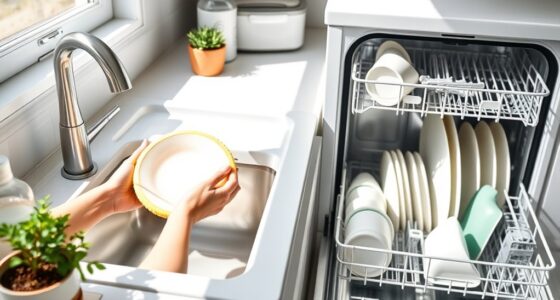

DIY cleaners can save you money and reduce your exposure to harsh chemicals, making them a popular choice for routine cleaning. They use eco-friendly ingredients like vinegar and baking soda, which are gentle on surfaces and the environment. However, they may not always disinfect effectively or handle stubborn stains, and their shelf life can be short. If you want to know how to get the most out of homemade solutions and avoid common pitfalls, keep exploring this topic.
Get ready for Prime Big Deal Days — try Prime free
Exclusive member deals on October 6–7, plus fast free delivery. Cancel anytime.
As an affiliate, we earn on qualifying purchases.
Key Takeaways
- DIY cleaners are cost-effective and eco-friendly but may have limited effectiveness for stubborn stains or heavy disinfecting.
- They are gentle on surfaces and skin but can cause damage to delicate materials like natural stone or hardwood.
- Homemade solutions often have shorter shelf lives and require proper storage, affecting their potency over time.
- Success depends on trial and error, as DIY cleaners may not work reliably across all cleaning tasks.
- They are best suited for routine cleaning and deodorizing, not as a complete substitute for commercial disinfectants.

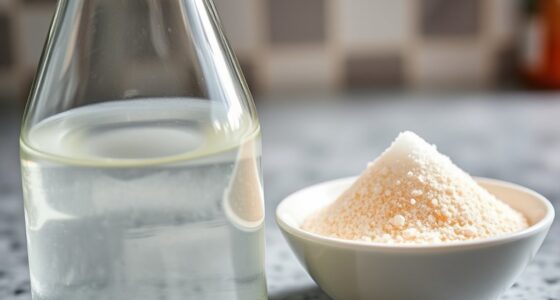
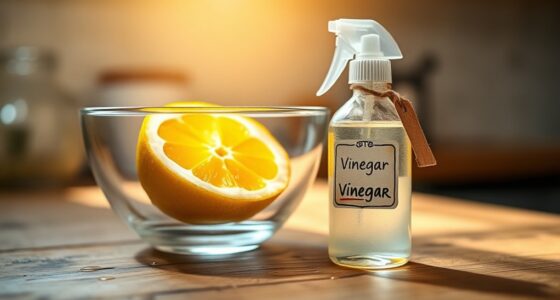
Many people turn to DIY cleaners to save money or avoid harsh chemicals, but while homemade solutions can be effective, they also come with certain drawbacks. When you opt for DIY cleaning products, you often look for eco friendly ingredients that are gentle on your skin and the environment. Common items like vinegar, baking soda, and lemon juice are popular because they’re natural and readily available. These ingredients are not only eco friendly but also cost effective methods to maintain your home’s cleanliness. Using such ingredients allows you to avoid the synthetic chemicals found in many commercial cleaners, which can be harmful to both your health and the planet.
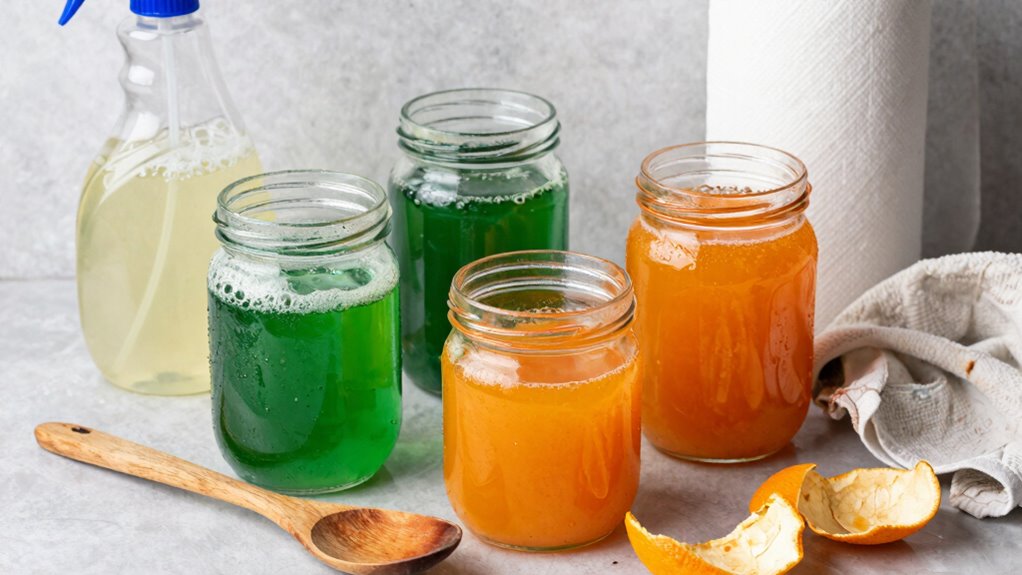
DIY cleaners with natural ingredients are budget-friendly and eco-conscious options for safe home cleaning.
However, relying on DIY cleaners isn’t always as straightforward as it seems. While they can be budget-friendly, you might find that their effectiveness isn’t consistent across all cleaning tasks. For example, homemade solutions may work well for light surface cleaning or deodorizing but fall short when it comes to disinfecting or tackling stubborn stains. You may need to use multiple recipes or combine ingredients, which can be time-consuming and sometimes confusing if you’re not experienced. Additionally, some eco friendly ingredients, like vinegar, can damage certain surfaces such as natural stone or hardwood. This means you need to be cautious and do a bit of research before applying a homemade cleaner to delicate surfaces.
Another drawback is that DIY cleaners often lack the preservatives and stabilizers found in commercial products, which can lead to shorter shelf lives or reduced potency over time. If you make a large batch, you might find it loses effectiveness before you can use it all. Plus, some homemade solutions can produce strong odors or residue that require additional rinsing or airing out, which adds to your cleaning time. It is also worth noting that the effectiveness of homemade solutions can vary depending on the ingredients used and storage conditions. indoor air quality can be impacted if improper cleaning methods introduce fumes or residues into your living space. Using safe cleaning techniques can help mitigate this issue and ensure a healthier environment.
Ultimately, the decision to use DIY cleaners depends on your priorities. If you’re looking for cost effective methods and want to minimize your exposure to chemicals, they can be a good option—so long as you’re aware of their limitations. They work best for routine cleaning tasks and minor deodorizing, but for heavy-duty disinfecting or stubborn stains, commercial products might be more reliable. You also have to be prepared for some trial and error as you figure out which recipes suit your surfaces and needs. In the end, DIY cleaners can be a valuable part of your cleaning arsenal, but they’re not always a complete substitute for store-bought solutions.
eco-friendly homemade all-purpose cleaner
As an affiliate, we earn on qualifying purchases.
As an affiliate, we earn on qualifying purchases.
Frequently Asked Questions
How Long Do Homemade Cleaners Typically Last Before Needing Replacement?
Homemade cleaners generally last about one to three months, depending on their ingredients. Their shelf life depends on storage tips like keeping them in airtight containers, away from sunlight, and at cool temperatures. You should check for changes in smell, color, or consistency before use. If you notice mold, separation, or a foul odor, it’s time to replace them. Proper storage helps extend their effectiveness and safety.
Are DIY Cleaners Safe for Pets and Children?
DIY cleaners can be safe for pets and children when you choose ingredients carefully. Think of it like walking a tightrope — you need balance to avoid hazards. For example, using vinegar and baking soda is generally safe, but mixing certain chemicals can pose risks. Always research pet safety and chemical exposure, and keep homemade solutions out of reach. When in doubt, consult a vet or expert for peace of mind.
Can DIY Cleaning Solutions Replace Commercial Products Entirely?
DIY cleaning solutions can replace commercial products for simple tasks, especially when made with natural ingredients. You’re likely to avoid harsh chemicals and reduce chemical reactions that might irritate your skin or damage surfaces. However, DIY cleaners may lack the potency or consistency of commercial options, making them less effective for tough stains or deep cleaning. Always test your homemade solutions and consider the specific cleaning needs before replacing all commercial products.
What Are Common Mistakes to Avoid When Making DIY Cleaners?
When making DIY cleaners, avoid common mistakes like ingredient substitutions that alter effectiveness or safety. Stick to tested recipes, and don’t skip storage tips—use airtight containers to preserve potency. Also, measure ingredients carefully to prevent dilution or overpowering scents. Ignoring these points can lead to ineffective cleaning or potential hazards, so pay attention to proper ingredient use and storage for safe, efficient homemade solutions.
How Effective Are DIY Cleaners on Stubborn Stains and Mold?
DIY cleaners can be quite effective on stubborn stains and mold when you use eco-friendly ingredients like vinegar, baking soda, and tea tree oil. These DIY cleaning hacks help break down mold and lift tough stains naturally. However, for deeply ingrained or extensive mold, you might need stronger commercial options. Always test a small area first, and make sure proper ventilation for safety when tackling stubborn issues with homemade solutions.
Conclusion
While DIY cleaners can seem like a shining beacon of savings and control, they often hide pitfalls like incomplete cleaning or potential damage. Think of them as a double-edged sword—offering empowerment but risking more harm than good if not used wisely. Ultimately, weighing the pros and cons helps you decide if the DIY route is a shining star or a cautionary tale. Remember, sometimes the brightest ideas need a careful touch.
NFL season / tailgating Picks
team gear
As an affiliate, we earn on qualifying purchases.