To keep your retail store clean and welcoming, follow a daily checklist that covers floor maintenance, disinfecting high-touch surfaces like door handles and counters, and ensuring hygiene stations are stocked and clean. Focus on high-traffic zones and entry points, using mats and effective cleaning solutions. Remind staff and customers about hygiene practices, like hand sanitizing, and frequently sanitize checkout areas. Staying on top of these tasks will help maintain safety and a positive shopping environment; explore further to master each step.
Key Takeaways
- Prioritize cleaning high-traffic zones, entryways, and aisles with sweeping, mopping, and slip-resistant mats.
- Regularly disinfect high-touch surfaces like door handles, checkout counters, and shopping carts.
- Maintain hygiene stations with hand sanitizers, soap, and paper towels, and monitor their replenishment.
- Ensure restrooms are clean, hygienic, and well-stocked to promote customer and staff hygiene.
- Encourage staff to follow proper disinfection routines and promote hygiene practices among customers.
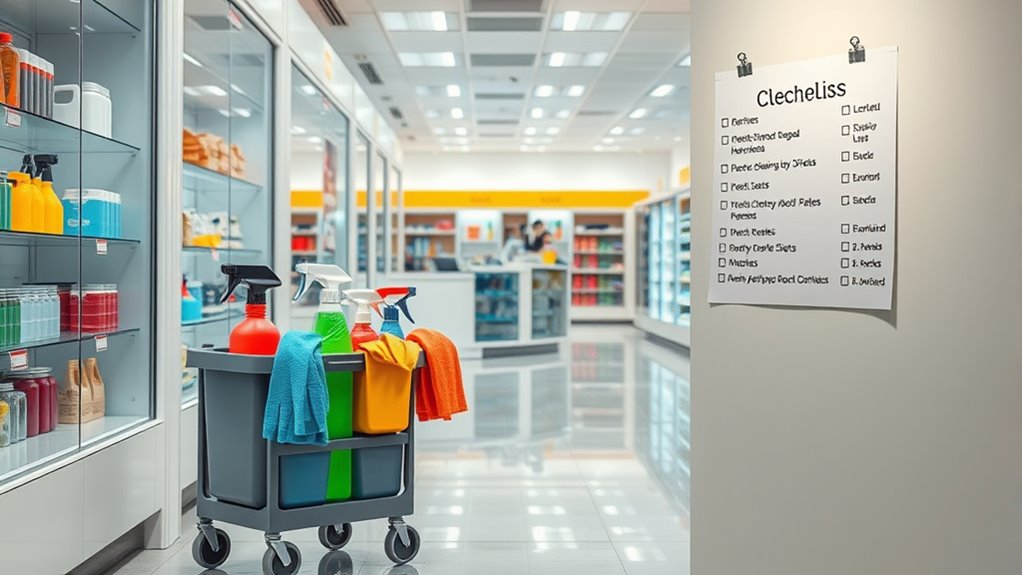
Maintaining a clean retail store is essential for creating a welcoming environment and ensuring customer safety. When you focus on daily cleaning routines, you not only enhance the store’s appearance but also promote good hygiene and reduce the risk of accidents. One of the most critical areas to prioritize is floor maintenance. Your floors are the first thing customers see and walk on, so keeping them spotless and well-maintained is crucial. Regular sweeping and mopping remove dust, dirt, and debris that can accumulate throughout the day. Use appropriate cleaning solutions that are effective yet gentle on your flooring material to prevent damage over time. Pay special attention to high-traffic zones, entryways, and aisles, since these areas tend to gather the most dirt and can pose slip hazards if not properly cleaned. Using slip-resistant mats at entrances can also help trap dirt and moisture, making your floor maintenance routine more manageable.
In addition to cleaning the floors, you need to focus on customer hygiene. Ensuring that customers have access to hand sanitizers and clean restrooms demonstrates your commitment to their health and safety. Regularly disinfect high-touch surfaces such as door handles, checkout counters, and shopping carts, which are hotspots for germs. Encourage staff to wipe down these surfaces frequently during the day. Keeping the store’s environment hygienic isn’t just about appearance; it’s about reducing the spread of germs and making shoppers feel safe. Make sure your cleaning schedule includes checking and replenishing supplies like soap and paper towels in restrooms, so hygiene stations are always operational. Also, remind staff to promote good customer hygiene practices, such as using hand sanitizer upon entry or exit.

Lysol Disinfectant Spray, Household Essential Cleaning Supplies, Multi-Purpose Room Spray, Antibacterial Sanitizer Spray, Upholstery Deodorizer, Home and Bathroom, Crisp Linen,19 Fl Oz (Pack of 12)
LYSOL DISINFECTANT SPRAY: This household essential is tested and proven to kill 99.9% of viruses and bacteria, including…
As an affiliate, we earn on qualifying purchases.
As an affiliate, we earn on qualifying purchases.
Frequently Asked Questions
How Often Should High-Touch Surfaces Be Disinfected?
You should disinfect high-touch surfaces at least several times daily to maintain proper touchpoint sanitation. The disinfection frequency depends on store traffic and activity; busier times may require more frequent cleaning. Regularly sanitizing touchpoints like door handles, checkout counters, and handrails helps prevent the spread of germs. Make sure to use effective disinfectants and follow manufacturer instructions to guarantee thorough touchpoint sanitation and keep your store safe for customers and staff.
What Cleaning Supplies Are Safest for Customer Areas?
You should choose cleaning supplies that prioritize cleaning product safety and are specifically labeled as safe for customer areas. Opt for disinfectants approved by health authorities that are effective yet gentle, avoiding harsh chemicals that could cause irritation or harm. Always read labels carefully, follow manufacturer instructions, and confirm the disinfectants are suitable for high-traffic, customer-facing spaces to maintain a safe and welcoming environment.
How Do I Handle Spills During Business Hours?
When a spill occurs during business hours, you should act quickly to guarantee spill management and customer safety. First, alert nearby customers to prevent accidents. Then, put on gloves, if available, and use absorbent materials or spill kits to contain and clean the spill thoroughly. Make sure to dry the area completely before reopening it, reducing slip hazards and maintaining a safe environment for everyone.
Are There Eco-Friendly Cleaning Options Recommended?
Yes, you should use eco-friendly products for cleaning. They’re made from sustainable ingredients, reducing chemical impact on the environment. Look for certifications like Green Seal or EPA’s Safer Choice to guarantee effectiveness and eco-friendliness. Incorporate sustainable practices by using reusable cloths and mopping with water-based solutions. These choices help maintain a clean store while supporting environmental responsibility, creating a healthier space for your customers and staff.
What Training Is Needed for Staff on Cleaning Protocols?
You need to implement thorough employee training programs focused on staff cleaning procedures. guarantee your staff understands proper sanitation techniques, safety protocols, and eco-friendly practices. Regular training sessions help reinforce these protocols and keep everyone updated on any new cleaning standards. By doing so, you promote a clean, safe environment and ensure your team performs cleaning tasks efficiently and consistently, maintaining high standards and reducing health risks.
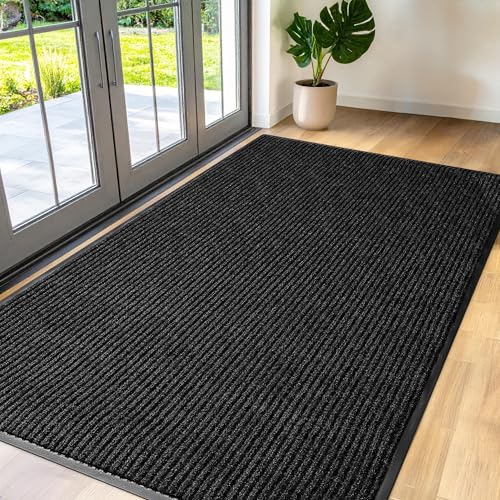
Large Door Mat 3' x 5' Charcoal, Heavy Duty Commercial Floor Mat, Industrial Floor Mat for High Traffic Areas, Or Business Entryway Nonslip Rubber Backing.
Commercial Grade Floor Protection – Durable 3×5 ft mat for garages, workspaces, entryways, and high-traffic commercial areas.
As an affiliate, we earn on qualifying purchases.
As an affiliate, we earn on qualifying purchases.
Conclusion
By sticking to this daily cleaning checklist, you keep your retail store spotless and inviting. It’s easy to overlook the small details, but neglecting them can turn a tidy store into a messy one in no time. Think of your space as a reflection of your professionalism—clean and organized on the outside, smooth and efficient on the inside. Stay consistent, and you’ll create a welcoming environment that customers notice and appreciate every day.

Blulu 2 Pack Automatic Hand Sanitizer Dispenser with Stand and Drip Catcher and Refillable Bottle Stand Sanitizing Station for Restaurants, Schools, Churches
Product Packaging: the set contains 2 white soap dispensers and 2 black brackets (a total of 2 sets…
As an affiliate, we earn on qualifying purchases.
As an affiliate, we earn on qualifying purchases.

Mr. Clean All Purpose Cleaner, Floor Cleaner for Mopping Home, Bathroom, & Kitchen, Cleaning Liquid for Mop & Bucket, Cleaning Supplies, Multi-Surface Dilutable, Gain, 41oz
2X Concentrated* *vs. Mr. Clean Original
As an affiliate, we earn on qualifying purchases.
As an affiliate, we earn on qualifying purchases.