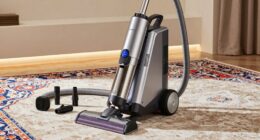
HEPA filters are essential for cleaning crews working in environments where air safety is critical, like hospitals, labs, and cleanrooms, as they trap tiny particles and prevent contamination. In less sensitive spaces, such as regular commercial or residential areas, standard filters may suffice, and marketing hype might overstate HEPA’s benefits. To guarantee you’re truly protecting health and safety, understanding when HEPA is necessary helps you make smarter choices. Keep exploring to learn more.
Key Takeaways
- HEPA filters are essential for cleaning crews in hospitals, laboratories, and cleanrooms to prevent contamination and ensure safety.
- In general cleaning of homes or commercial spaces, high-quality filters may suffice without needing HEPA.
- Proper training and maintenance of HEPA equipment are crucial to maximize safety benefits.
- Marketing claims can overstate HEPA benefits in non-critical environments; evaluate actual safety needs.
- Use HEPA filters where airborne pathogens, allergens, or dust pose significant health risks for effective contamination control.

Have you ever wondered how cleaning crews effectively eliminate tiny airborne particles and allergens? The answer lies in the use of advanced air filtration systems, especially HEPA filters. These filters are designed to trap particles as small as 0.3 microns, including dust, pollen, pet dander, mold spores, and even some bacteria. When used properly, HEPA filters considerably improve indoor air quality, making environments safer and healthier for everyone. However, knowing when HEPA filtration is truly necessary versus when it’s just a marketing ploy is essential.
HEPA filters trap tiny particles, improving air quality and safety in critical environments.
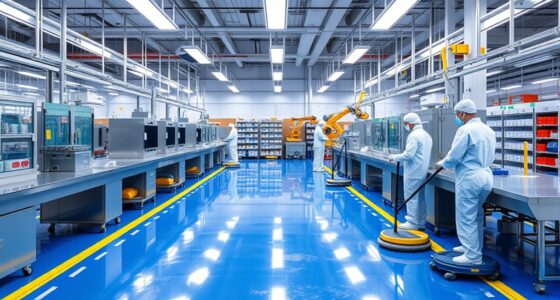
In situations like hospitals, laboratories, or cleanrooms, HEPA filtration isn’t optional — it’s a critical safety protocol. These environments demand the highest standards of air cleanliness because even tiny contaminants can cause serious health issues or compromise sensitive processes. For cleaning crews working in such settings, incorporating HEPA filters into vacuums, air purifiers, or ventilation systems is indispensable. It’s not just about marketing; it’s about safeguarding health and guaranteeing compliance with safety regulations. Proper air filtration reduces the risk of cross-contamination and helps maintain sterile conditions, which are indispensable in these high-stakes environments.
In contrast, for general cleaning tasks in homes or commercial spaces, the necessity of HEPA filters becomes less clear. Some companies promote HEPA as a must-have feature to attract customers, but it’s not always justified. In these cases, good quality filters that remove larger particles and regular cleaning practices often suffice. Overemphasizing HEPA’s benefits in these settings can be a marketing tactic that inflates costs without genuine safety gains. As a cleaning professional, you should assess the specific needs of each environment before recommending or using HEPA filtration systems.
Safety protocols play a key role here. When working in environments with airborne pathogens, allergens, or dust that can trigger allergies or respiratory issues, HEPA filtration becomes an essential part of your safety protocol. It’s not just about clean surfaces but also about controlling the air you breathe while working. Proper training on how to handle HEPA equipment, maintaining filters, and understanding their limitations helps guarantee these safety protocols are effective. Additionally, understanding airborne particles and their impact on health informs better decision-making about filtration needs.
Ultimately, HEPA filters are indispensable in certain settings where health risks are high, but in everyday environments, their value should be evaluated against actual needs. By understanding when HEPA is necessary and when it’s just marketing, you can make smarter choices that prioritize safety without overspending. In the end, the goal remains the same: creating cleaner, safer spaces through informed, effective cleaning practices.

Medify MA-40 Air Purifier with True HEPA H13 Filter | 1,793 ft² Coverage in 1hr for Smoke, Wildfires, Odors, Pollen, Pets | Quiet 99.9% Removal to 0.1 Microns | White, 1-Pack
MAXIMUM COVERAGE: Cleans large spaces up to 1,793 sq ft in one hour, 896 sq ft in 30…
As an affiliate, we earn on qualifying purchases.
As an affiliate, we earn on qualifying purchases.
Frequently Asked Questions
How Often Should HEPA Filters Be Replaced in Cleaning Equipment?
You should replace HEPA filters in cleaning equipment every 6 to 12 months, depending on usage and filter lifespan. Regularly check the filter for dirt buildup or reduced airflow, which indicates it’s time for a replacement. Following a consistent replacement schedule guarantees peak filtration performance and maintains indoor air quality. Keep an eye on manufacturer recommendations for specific equipment, as some filters may need more frequent changes based on environmental conditions.
Are HEPA Filters Effective Against All Types of Airborne Pathogens?
Did you know HEPA filters can trap 99.97% of particles 0.3 microns or larger? While they’re highly effective against many airborne viruses, they’re not foolproof for all pathogens. Their filtration efficiency varies depending on the virus size and type. For example, some ultrafine particles or certain airborne bacteria might slip through, so it’s essential to combine HEPA filtration with other safety measures for thorough protection.
What Training Is Needed for Cleaning Crews Using HEPA Equipment?
You need proper training on HEPA maintenance and understanding certification requirements before using HEPA equipment. This includes learning how to handle, clean, and replace filters safely to prevent contamination. Make sure your team is certified in relevant safety standards, like OSHA or EPA guidelines, to meet industry regulations. Regular training updates help your crew maintain equipment effectively and ensure they follow best practices for airborne pathogen control.
Can HEPA Filtration Improve Indoor Air Quality Beyond Cleaning Needs?
Yes, HEPA filtration can improve indoor air quality beyond just cleaning needs by efficiently capturing airborne particles like allergens, dust, and microbes. You guarantee air quality by using HEPA filters with high filtration efficiency, which reduces contaminants more effectively. This results in healthier indoor environments, especially for sensitive populations. Incorporating HEPA filtration into HVAC systems or portable air cleaners ensures continuous air quality improvement, beyond routine cleaning efforts.
What Are the Cost Differences Between HEPA and Standard Filters?
HEPA filters tend to be more expensive than standard filters upfront, often costing two to five times more. You’ll also face higher ongoing costs for filter maintenance and replacement. Additionally, HEPA filters can increase energy consumption because they require more power to operate efficiently. While the initial investment is higher, their superior air quality benefits may justify the cost, especially in environments needing thorough filtration.

Atrix VACOMEGASECRH Omega Supreme Cleanroom Vacuum, 1-Gallon, Black
CLEANROOM CERTIFIED VACUUM – The industrial cleanroom vacuum is designed to be used in cleanrooms. The VACOMEGASECRH model…
As an affiliate, we earn on qualifying purchases.
As an affiliate, we earn on qualifying purchases.
Conclusion
So, next time you’re choosing cleaning equipment, remember—HEPA filters aren’t just a marketing gimmick; they’re your shield against unseen dangers. When health and safety are on the line, investing in HEPA isn’t optional—it’s essential. Think of it as your secret weapon, transforming your cleaning routine from mere maintenance into a fortress of protection. Don’t settle for less; let HEPA be the hero that keeps your space safe and spotless.

PuroAir 240 HEPA Air Purifiers for Home Large Rooms – Covers Up To 1,000 Sq Ft – Filters Up To 99.9% of Pollutants, Smoke, Pollen, Dust – Quiet HEPA Air Filter – Air Purifiers for Bedroom
Cleaner Air in Minutes: PuroAir is proven to filter the pollutants lurking in your home’s air. This large…
As an affiliate, we earn on qualifying purchases.
As an affiliate, we earn on qualifying purchases.
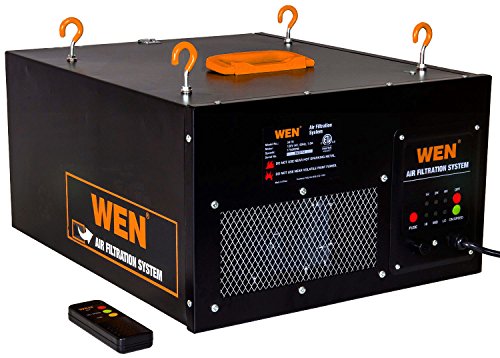
WEN 3410 3-Speed Remote-Controlled Air Filtration System (300/350/400 CFM), Basic w/ RF Remote (400 CFM) , Black
Includes a 1-micron filter and a 5-micron pre-filter, both of which can be easily replaced
As an affiliate, we earn on qualifying purchases.
As an affiliate, we earn on qualifying purchases.