Carpet extractor PSI measures the pressure at which water and cleaning solution are injected into the carpet fibers. Getting this number right is key to cleaning effectively without damaging the carpet or causing oversaturation. Too high, and you risk fiber damage; too low, and dirt may stay embedded. Understanding how to adjust PSI guarantees you get thorough cleaning while preserving your carpet’s integrity. Keep exploring to discover how mastering PSI can elevate your cleaning results.
Key Takeaways
- PSI measures the pressure at which water and cleaning solutions are injected into carpet fibers, crucial for effective cleaning.
- Proper PSI ensures dirt removal without damaging fibers or causing oversaturation.
- Too low PSI results in incomplete cleaning; too high can harm carpet fibers and reduce longevity.
- Adjusting PSI according to carpet type and soil level optimizes cleaning results.
- Maintaining correct PSI extends equipment lifespan and improves overall cleaning efficiency.
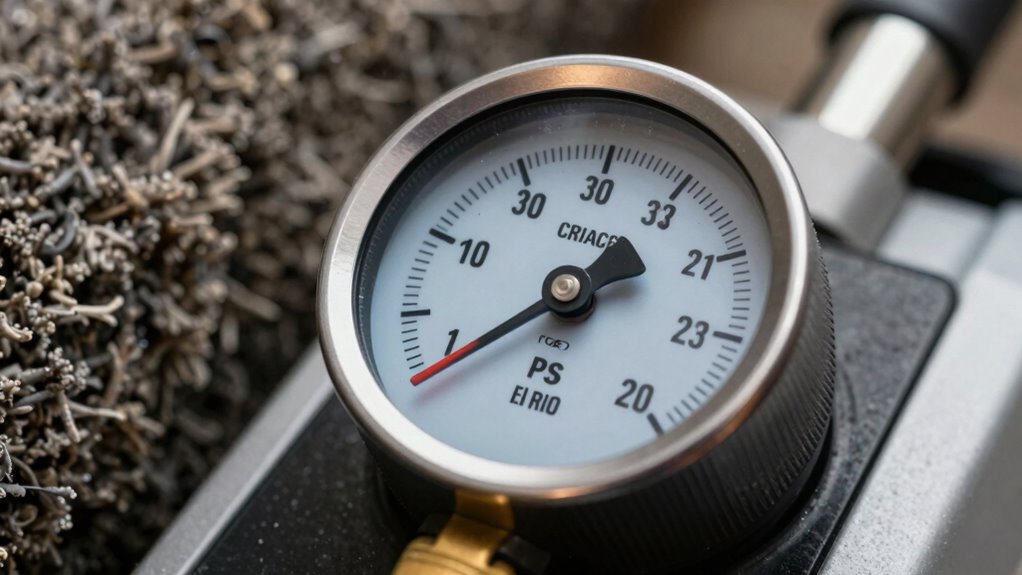
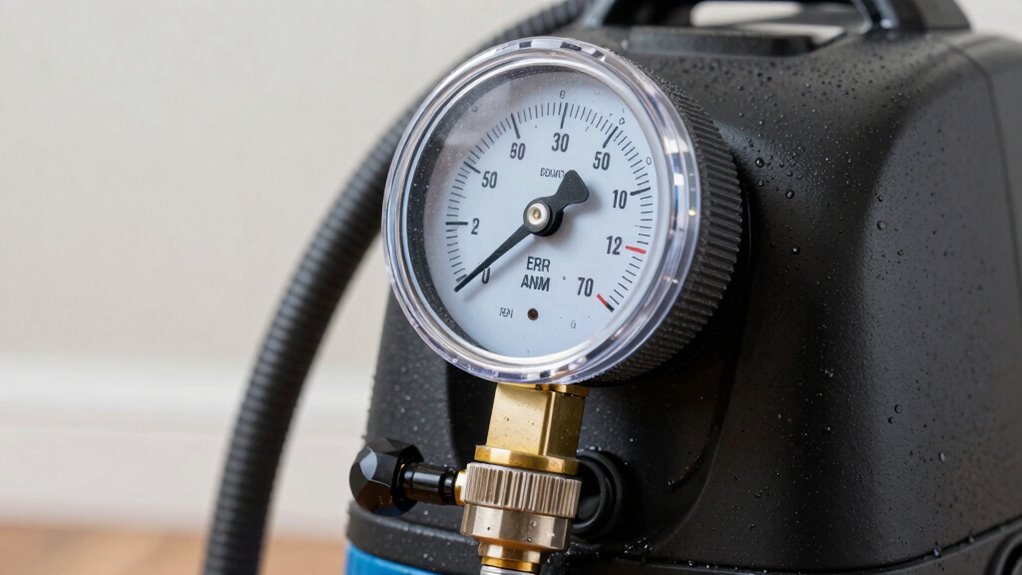
Understanding the significance of PSI in carpet extractors is essential for achieving effective cleaning results. PSI, or pounds per square inch, measures the pressure at which water and cleaning solution are forced into the carpet fibers during cleaning. When it comes to industrial cleaning, having the right PSI ensures that dirt, grime, and stains are thoroughly removed without damaging the carpet. If you’re using a carpet extractor with too low a PSI, you might find that dirt remains embedded, leading to less effective cleaning and potentially faster re-soiling. Conversely, too high a PSI can cause fiber damage or oversaturation, which could result in moisture retention and mold growth. Mastering the appropriate PSI level helps you strike the balance between deep cleaning and carpet preservation.
Maintaining the correct PSI isn’t just about getting the job done; it’s also critical for equipment maintenance. Properly calibrated pressure reduces wear and tear on your carpet extractor, extending its lifespan. When equipment runs at suitable PSI, components like pumps, hoses, and seals experience less strain, decreasing the likelihood of breakdowns and costly repairs. Regularly checking and adjusting the PSI ensures your machine operates efficiently, saving you time and money in the long run. An often-overlooked aspect of equipment maintenance is understanding how PSI interacts with other settings, such as water temperature and extraction vacuum. All these elements work together to deliver a thorough clean, so knowing how to fine-tune the pressure according to your specific cleaning needs is paramount. Additionally, understanding the pressure regulation features of your equipment can help you optimize cleaning performance and prevent damage.
Frequently Asked Questions
How Does PSI Affect Cleaning Time Efficiency?
Higher PSI improves your cleaning time efficiency by allowing deeper penetration into carpet fibers, effectively removing dirt and cleaning residue faster. With increased PSI, your extractor can loosen stubborn debris, reducing the number of passes needed. This means you spend less time on each area, making your cleaning process more effective. Just guarantee you balance PSI to avoid damaging delicate carpet fibers while achieving ideal cleaning results.
Can Higher PSI Damage Delicate Carpets?
Yes, higher PSI can damage delicate carpets if you’re not careful. You need to take into account carpet fiber sensitivity because excessive pressure might weaken or tear fragile fibers. Additionally, make certain your cleaning equipment durability can handle high PSI without malfunctioning. Using the right settings and equipment for sensitive carpets helps prevent damage, so always adjust PSI accordingly to protect your carpets while achieving effective cleaning.
What Is the Ideal PSI Setting for Deep Cleaning?
For deep cleaning, you should set your carpet extractor’s PSI to around 500-600. This range provides enough vacuum strength to remove embedded dirt without risking damage to delicate carpets. Adjusting PSI according to your carpet’s durability helps prevent over-extraction that could harm fibers. Always test in a small, hidden area first to ensure thorough cleaning while maintaining your carpet’s integrity and avoiding unnecessary wear.
Does PSI Influence Water Consumption During Extraction?
Ever wonder if pressure levels affect water use during extraction? Yes, higher PSI can increase water consumption because more pressure pushes more water into the carpet fibers, requiring extra effort to extract it all. Conversely, lower PSI uses less water but might not clean as thoroughly. Balancing pressure levels guarantees you use water efficiently without sacrificing cleaning power. So, adjusting PSI based on your needs helps optimize water use and cleaning results.
How Often Should PSI Be Adjusted During a Cleaning Session?
You should adjust the PSI as needed during a cleaning session to guarantee effective soil removal without damaging your carpet. Keep an eye on detergent compatibility and machine maintenance, which can influence ideal PSI levels. If you notice poor agitation or residue, increase PSI slightly. Conversely, lower it if the carpet looks over-wet or if you’re dealing with delicate fibers. Regularly monitor and fine-tune your pressure for the best results.
Conclusion
Understanding carpet extractor PSI is key to achieving deep, effective cleaning. Did you know that a higher PSI can remove up to 50% more dirt and stains? This simple number markedly impacts your results, making your carpets look fresher and last longer. So, next time you choose your equipment, remember that PSI isn’t just a number—it’s a game-changer for cleaner, healthier carpets. Choose wisely, and see the difference it makes!