If you’re allergy-conscious, ‘HEPA’ means a filter that captures at least 99.97% of airborne particles as small as 0.3 microns, including pollen, pet dander, and mold spores. This high efficiency helps improve indoor air quality and can reduce allergy symptoms like sneezing and congestion. Not all filters labeled ‘HEPA’ are genuine, so verifying certification is essential. To learn more about choosing the right filters for your needs, keep exploring how HEPA impacts your health.

Get cleaning gear delivered free — and shop member deals
- Fast, free delivery on millions of items
- Access to Prime Big Deal Days deals on October 6–7
- Prime Video, Amazon Music and more included
Key Takeaways
- HEPA indicates filters that trap at least 99.97% of airborne particles, including common allergens.
- True HEPA filters are certified to meet strict standards, ensuring effective allergy symptom relief.
- Using HEPA filters can significantly improve indoor air quality and reduce allergy symptoms.
- Regular maintenance and filter replacement are crucial for sustained allergy relief.
- HEPA filters help create a healthier, more comfortable living environment for allergy-conscious individuals.
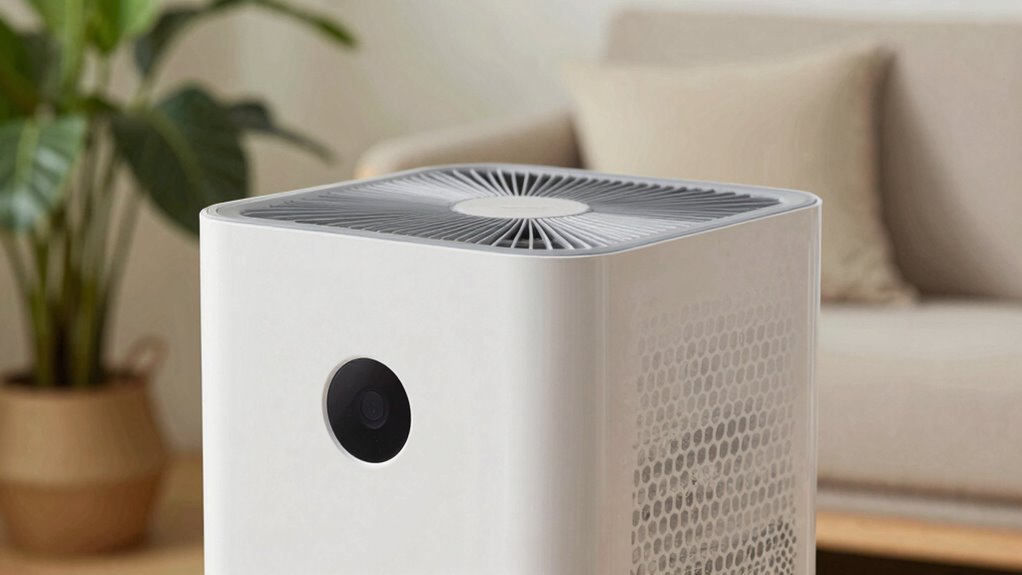
For allergy-conscious clients, choosing the right air filtration system can make a meaningful difference in their comfort and health. When you hear “HEPA,” it’s natural to wonder what exactly that means for your daily environment. HEPA, or High Efficiency Particulate Air, refers to a filter capable of capturing at least 99.97% of airborne particles that are 0.3 microns in size. This level of filtration is essential because many common allergens—like pollen, pet dander, mold spores, and dust mites—float through the air at sizes that HEPA filters are designed to trap effectively. When you select an air purifier with a true HEPA filter, you’re investing in a device that prioritizes air purifier effectiveness, making it easier to breathe and reducing the severity of allergy symptoms.
Understanding what HEPA means helps you make informed choices that directly impact allergy symptom relief. You’ll find that air purifiers equipped with HEPA filters can dramatically improve indoor air quality, especially in environments where allergens are prevalent. As allergens are captured and removed from the air, you’ll notice fewer sneezes, less congestion, and a reduction in itchy, watery eyes. This isn’t just about comfort; it’s about creating a healthier living space. Many allergy sufferers find that consistent use of a HEPA-equipped air purifier diminishes their need for medication or allergy treatments, providing a natural and effective way to manage symptoms.
It’s important to recognize that not all filters labeled “HEPA” are true HEPA filters. Some products might claim to be HEPA-like or HEPA-type, but only true HEPA filters meet the strict standards of 99.97% particle removal at 0.3 microns. When you’re shopping, verify that the filter is certified as true HEPA to guarantee maximum air purifier effectiveness. Keep in mind that the size of particles matters; many allergens are small enough to evade less efficient filters, but HEPA filters excel at capturing these tiny invaders. This capability directly translates into better allergy symptom relief because fewer allergens remain airborne, reducing the triggers that cause discomfort.
Being aware of filter standards helps you identify certified products that truly meet the high-efficiency criteria, ensuring you get the best value for your investment. Additionally, understanding filter efficiency can help you compare different models and select one that offers the best performance for your specific needs. Proper filter maintenance is also crucial, as a HEPA filter’s effectiveness diminishes over time if not replaced or cleaned regularly. Regularly checking and maintaining your air purifier ensures it continues to operate at peak performance. In the end, understanding what HEPA means for your air purifier helps you select a device that genuinely improves your indoor air quality. It’s a smart investment in your health, especially if allergies substantially impact your daily life. By choosing a true HEPA filter, you prioritize your well-being and create a cleaner, more comfortable environment where you can breathe easier and experience fewer allergy-related disruptions.
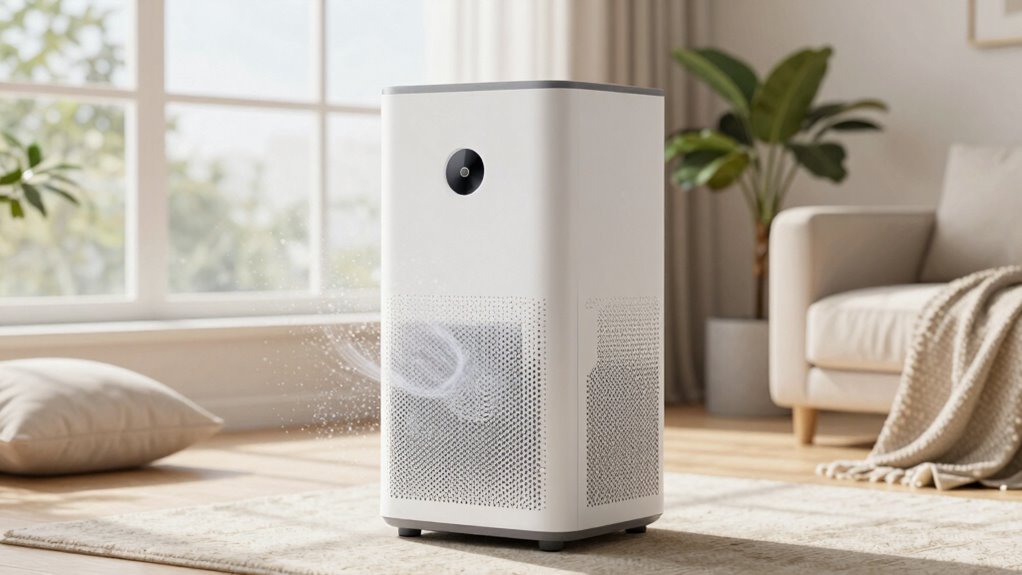
True HEPA air purifier for allergies
As an affiliate, we earn on qualifying purchases.
As an affiliate, we earn on qualifying purchases.
Frequently Asked Questions
How Does HEPA Filtration Compare to Other Air Purification Technologies?
HEPA filtration outperforms many air purification technologies because it captures at least 99.97% of particles as small as 0.3 microns. Different HEPA filter types, like true HEPA and HEPA-like filters, offer varying efficiencies, but true HEPA is most effective. When choosing an air purifier, consider its design—look for models with a proper HEPA filter to guarantee high-quality air cleaning and better allergy relief.
Are All HEPA Filters Equally Effective for Allergy Sufferers?
Not all HEPA filters are equally effective for allergy sufferers. You need to take into account HEPA maintenance and allergy-friendly design to guarantee maximum performance. A high-quality HEPA filter captures more allergens, dust, and pet dander, while regular maintenance prevents clogging and reduces loss of efficiency. Look for filters with allergy-friendly features, like sealed frames and easy-to-replace cartridges, to maximize allergen removal and breathe easier in your space.
How Often Should HEPA Filters Be Replaced for Optimal Performance?
You should replace HEPA filters every 6 to 12 months for peak performance. Regular filter maintenance is essential to guarantee allergen removal and air quality. Check your device’s replacement schedule and follow manufacturer recommendations, as usage and environment can influence how often you need to change the filter. Staying consistent with these replacement schedules helps keep your air clean and allergen-free.
Can HEPA Filters Remove Odors and Chemical Pollutants?
HEPA filters primarily target airborne particles like dust, pollen, and pet dander, so they’re not designed for chemical removal or odor elimination. However, some HEPA units include activated carbon filters that help absorb odors and chemical pollutants. If you want effective odor and chemical removal, look for air purifiers that combine HEPA filtration with activated carbon, ensuring cleaner air and a more pleasant environment.
Are Portable HEPA Air Purifiers Suitable for Large Spaces?
Portable HEPA air purifiers can be suitable for large spaces, but you need to take into account the room size they’re designed for. If the purifier’s rated for your space, it’ll effectively filter allergens and pollutants. Keep in mind, larger units might generate higher noise levels, which could be disruptive. To guarantee optimal performance, choose a portable HEPA air purifier that matches your room size and maintains acceptable noise levels for your environment.
Conclusion
So, next time you’re shopping for air filters, remember that “HEPA” isn’t just a fancy label to impress your friends. It’s your best shot at convincing allergy symptoms to take a hike. Don’t fall for hype—trust the filter that promises to catch more than just your breath. After all, in the fight against allergens, a HEPA filter isn’t just a luxury; it’s your new best friend—unless you prefer sneezing over clean air.
Fall Picks
fall essentials
As an affiliate, we earn on qualifying purchases.