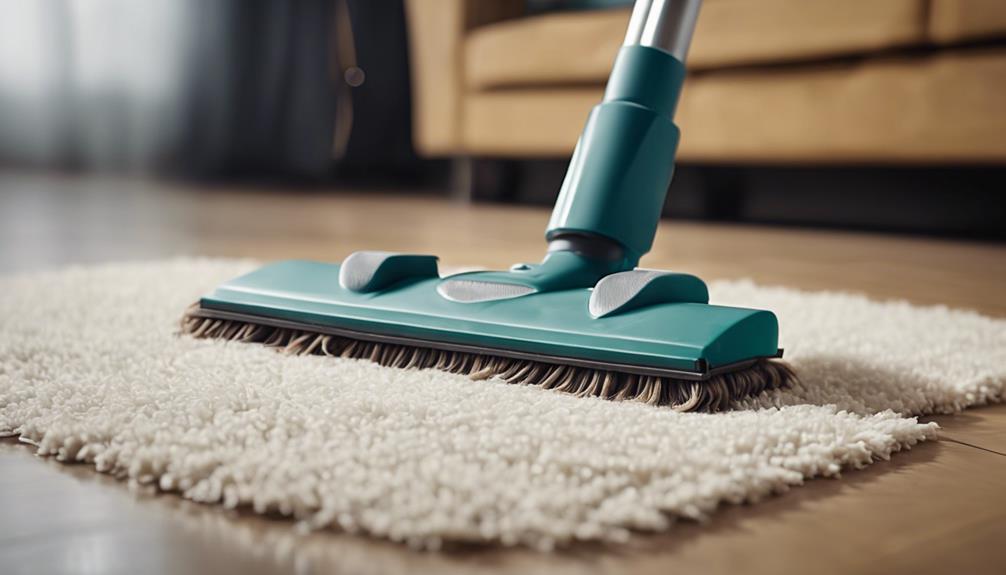
You notice some surfaces streak more because of their material properties and how they react to cleaning. Smooth, reflective surfaces like glass show streaks easily, while porous materials like wood hide them better. Using the wrong products, over-wetting, or not wiping properly can leave residues that create streaks. Environmental factors like humidity and heat also influence how surfaces dry, affecting streak formation. Keep exploring to discover more tips on achieving streak-free finishes on different surfaces.

Get cleaning gear delivered free with Prime
- Fast, free delivery on millions of items
- Prime Video, Amazon Music and more included
- Member-only deals all year
Key Takeaways
- Smooth, reflective surfaces like glass show streaks more prominently due to their high shininess.
- Residue from cleaning products left on surfaces causes streaks if not properly wiped away.
- Surface porosity influences how cleaning solutions interact, affecting streak formation.
- Over-saturating surfaces with liquids increases the likelihood of streaks during drying.
- Environmental factors like humidity and evaporation speed impact streak visibility and cleaning results.
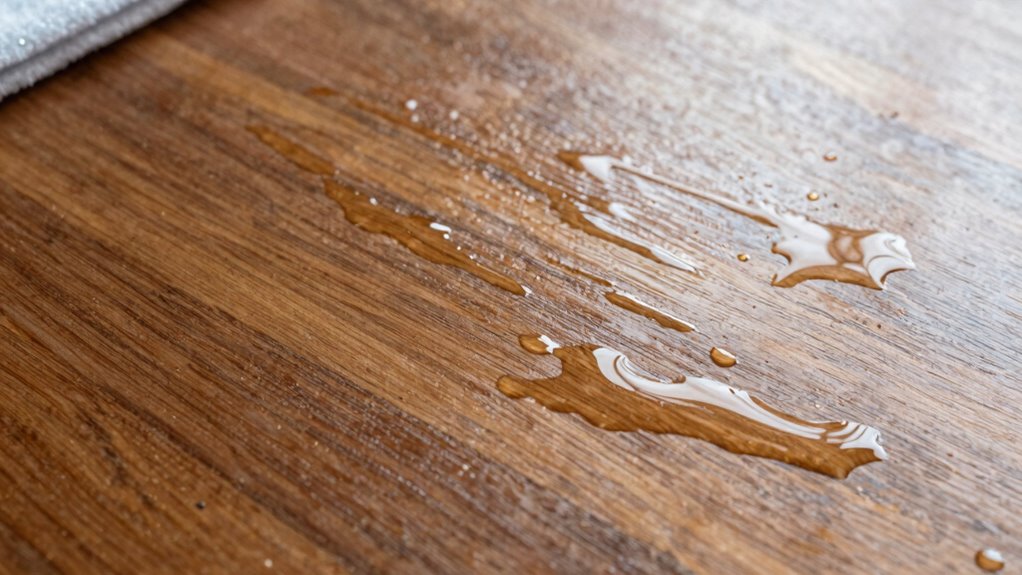
Surface streaking can be frustrating because it often indicates underlying issues with cleaning methods or surface conditions. When you notice streaks left behind after cleaning, it’s easy to assume you’re doing something wrong. But the truth is, the root cause often lies in the surface materials and the cleaning techniques you use. Different surfaces react differently to cleaning products and methods, which can lead to streaking if you’re not careful.
Start by considering the surface materials you’re working with. Glass, for example, tends to show streaks more prominently because of its smooth, reflective surface. If you use a cleaning spray that leaves behind residue or wipe too quickly, streaks are almost inevitable. On the other hand, surfaces like wood or tile might hide streaks better, but that doesn’t mean you won’t see them if your cleaning approach isn’t suitable. Certain materials are more sensitive to moisture or harsh chemicals, which can create streaks or haze. Knowing the specific needs of each surface will help you choose the right cleaning techniques for an effective finish. Additionally, understanding surface reactions to different cleaning agents can help prevent streaking and maintain the longevity of the surface. Using appropriate cleaning tools and techniques tailored to each surface can also reduce the likelihood of streaks forming. Being aware of cleaning solutions and their interactions with various materials can further improve your cleaning results. Furthermore, considering surface porosity can help you select the most suitable cleaning method for delicate or porous surfaces.
Consider surface materials to choose appropriate cleaning methods and avoid streaks and damage.
Your cleaning techniques play a crucial role in preventing streaking. Using too much cleaner or applying it unevenly can lead to leftover residue that dries with streaks. Always measure your cleaning solution carefully and avoid over-saturating surfaces. When you wipe, use a microfiber cloth or a squeegee designed for that surface type—it helps lift dirt and excess cleaner without spreading streaks. Also, pay attention to your wiping motion. Gentle, overlapping strokes tend to produce a more even, streak-free shine. If you’re using a spray, consider spraying onto the cloth rather than directly onto the surface to prevent excess liquid that can cause streaks as it dries. Being mindful of cleaning techniques can significantly improve your results and reduce streaking.
Temperature and humidity also influence streaking outcomes. Cleaning in high humidity or on hot surfaces can cause cleaning solutions to evaporate too quickly, leaving streaks behind. To combat this, clean during cooler, less humid times or ensure good ventilation. Additionally, avoid using abrasive tools or harsh chemicals on delicate surfaces, as these can damage the finish and make streaking worse. Being aware of environmental factors can make a significant difference in achieving a streak-free clean.
microfiber cleaning cloth for glass
As an affiliate, we earn on qualifying purchases.
As an affiliate, we earn on qualifying purchases.
Frequently Asked Questions
How Can I Prevent Streaks on My Specific Surface?
To prevent streaks on your surface, start by choosing the right cleaning tools for its texture—soft cloths work well for delicate surfaces, while microfiber towels are great for smoother ones. Use a gentle cleaning solution and avoid oversaturating the surface. Wipe in a consistent pattern, applying even pressure. Regularly rinse your cleaning tools and dry the surface thoroughly to prevent streaks caused by residual moisture or dirt buildup.
Are Certain Cleaning Products Better for Streak-Free Finishes?
Is there a secret to streak-free surfaces? Yes, choosing the right cleaning products makes all the difference. Look for streak-free formulas designed for your surface, and avoid harsh chemicals. Effective cleaning techniques, like using a microfiber cloth and ensuring proper surface preparation, help prevent streaks. When you combine the right product with proper technique, you’ll achieve a smooth, shiny finish every time, making your cleaning routine feel like a breeze.
Does the Weather Affect Streak Formation During Cleaning?
Yes, weather conditions can affect streak formation during cleaning. Humidity and temperature influence how cleaning products dry, making streaks more likely if the air is humid or if it’s hot and dry. Surface porosity also plays a role — porous surfaces absorb moisture differently, leading to streaks. To reduce streaks, clean in moderate weather, use appropriate products, and make certain the surface is dry and well-ventilated.
How Often Should I Clean Different Surfaces to Avoid Streaks?
Think of your cleaning routine as a dance—timing is everything. You should clean smooth surfaces like glass and countertops weekly to prevent streaks, while textured surfaces like tile or rough wood need less frequent attention, maybe biweekly. Use the right cleaning tools for each surface, and always follow up with a soft cloth for a streak-free finish. Regular cleaning keeps surfaces pristine and streaks at bay.
Can Improper Drying Cause Streaks on Surfaces?
Yes, improper drying can cause streaks on surfaces. When you don’t use the right cleaning techniques or rush the drying process, residual moisture can leave streaks, especially on smooth or glossy surface textures. To avoid this, use a clean, lint-free cloth and dry in a gentle, circular motion. Proper drying guarantees no water spots or streaks remain, keeping your surfaces looking spotless and streak-free.
Conclusion
Now that you know why some surfaces streak more than others, you’ll spot the difference next time you clean. Remember, surfaces with uneven textures or lingering residues are more prone to streaks, making your task trickier. Did you know that a study found 70% of streaks are caused by improper cleaning techniques? Keep this in mind, and you’ll achieve a streak-free shine every time, turning cleaning into a quick, satisfying win rather than a frustrating chore.
Halloween Picks
halloween
As an affiliate, we earn on qualifying purchases.