
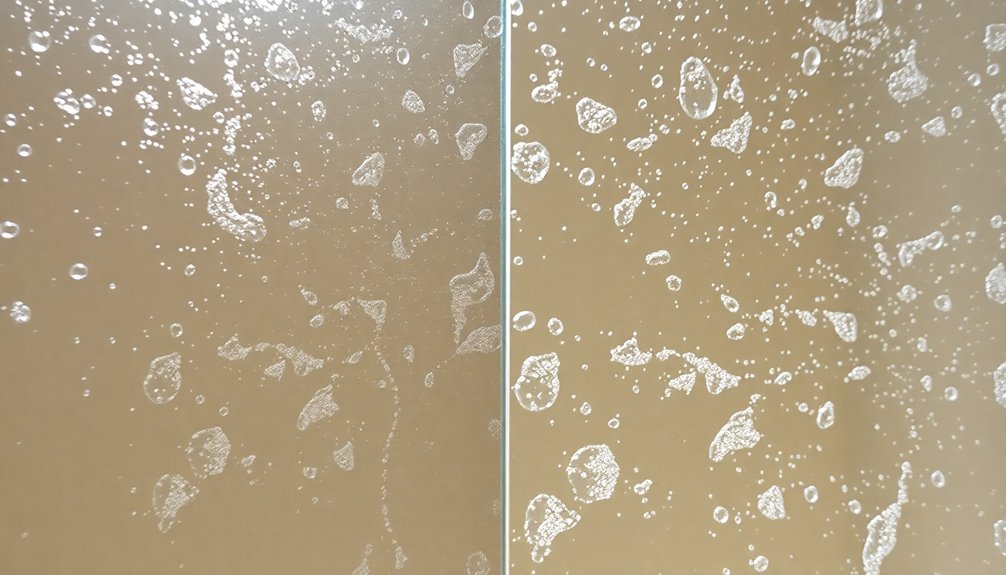
Some cleaning agents work better for hard water stains because they contain acidic ingredients, like vinegar or citric acid, that dissolve mineral deposits. These products often include chelating agents too, which bind to minerals and prevent redepositing. Surfactants are also important, as they reduce surface tension, helping the cleaner penetrate and lift residues. By using the right combination of ingredients, you can tackle stubborn stains effectively. Discover more about these powerful cleaners and how to use them effectively.
Open a free Amazon Business account
Business pricing, bulk buying and tax-exempt orders.
As an affiliate, we earn on qualifying purchases.
Key Takeaways
- Acidic cleaners, like vinegar and citric acid, effectively dissolve mineral deposits found in hard water stains.
- Surfactants in cleaning products reduce surface tension, improving penetration and residue lifting from surfaces.
- Chelating agents bind to minerals, preventing redeposition and enhancing cleaning efficiency against hard water stains.
- Enzymatic cleaners break down complex organic stains, complementing the action of acidic cleaners on mineral deposits.
- Foaming action in products like OxiClean allows for better coverage and removal of stains over larger areas.
Understanding Hard Water and Its Effects on Cleaning
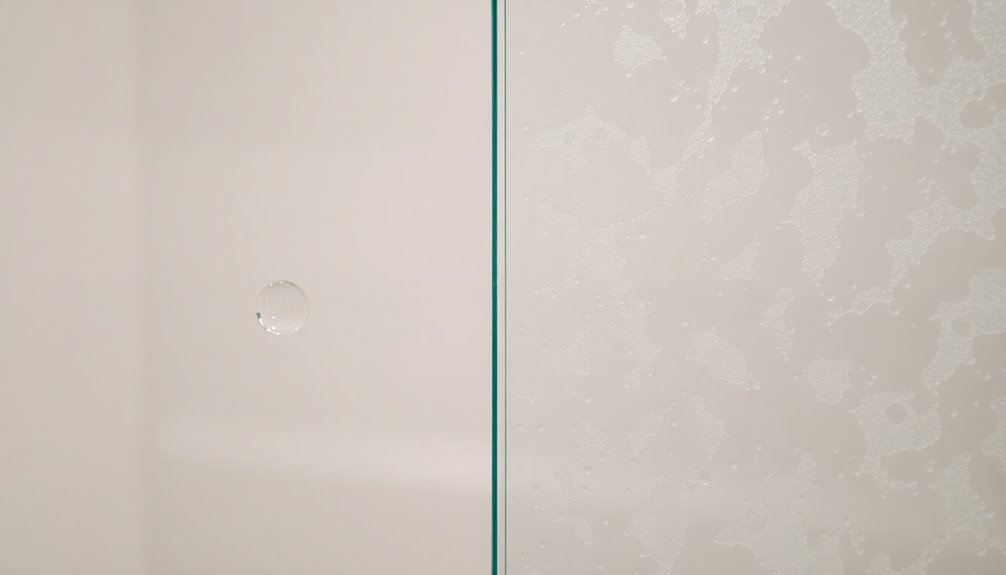
Hard water can be a real nuisance when it comes to cleaning. It's loaded with calcium and magnesium, leading to hard water buildup that complicates your cleaning routine.
These mineral deposits bind with surfactants in your cleaning agents, reducing their effectiveness and making it tougher to remove stains. You might notice soap scum forming, which signals that you need stronger or specialized cleaners.
Hard water mineral deposits can hinder cleaning effectiveness, leading to stubborn stains and the need for specialized cleaners.
Acidic cleaners, like those with citric acid or vinegar, work wonders against these stubborn stains. They can dissolve mineral deposits that alkaline cleaners struggle with.
If you're dealing with hard water, consider using higher temperatures during cleaning, as heat helps dissolve those pesky mineral deposits more easily, enhancing the cleaning power of your products. Additionally, using a vacuum with HEPA filters can help capture any dust and allergens released during the cleaning process.
The Chemistry Behind Effective Cleaning Agents

When tackling hard water stains, understanding the chemistry behind effective cleaning agents can make a significant difference in your results.
Many cleaning solutions contain acidic components like citric acid or vinegar, which dissolve mineral deposits, breaking their bonds and easing removal. Surfactants in these products reduce surface tension, allowing water to better penetrate and lift mineral residues from surfaces.
Enzymatic cleaners also play a role, breaking down complex stains into smaller particles for easier cleaning. The pH level is essential too; while alkaline cleaners target organic stains, acidic cleaners excel against hard water stains.
Some products, like OxiClean Foam-Tastic, use foaming action to enhance penetration, making scrubbing easier and more effective. Additionally, energy-saving features in cleaning agents can contribute to more efficient use of resources, aligning with eco-friendly practices.
Key Ingredients for Tackling Hard Water Stains
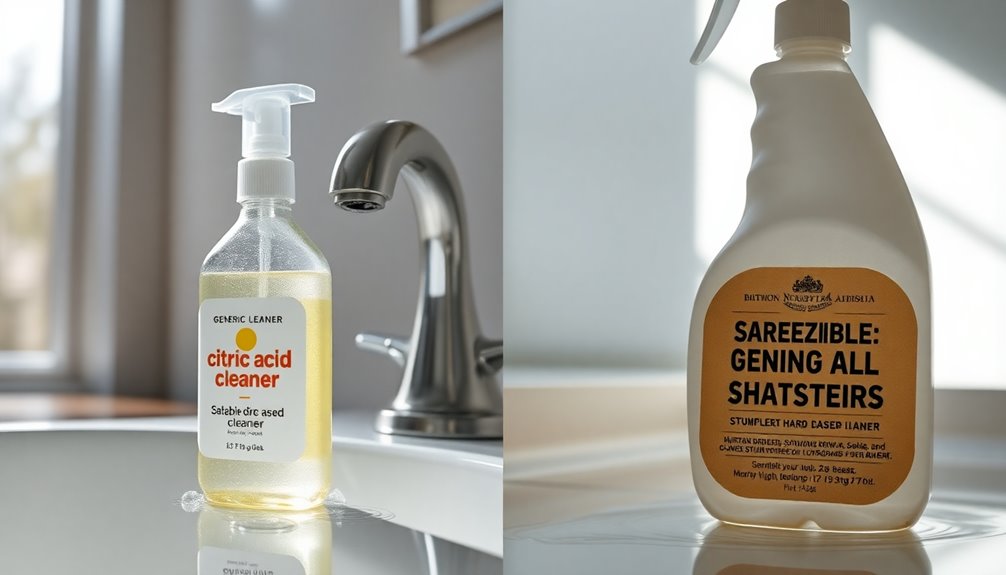
Understanding the chemistry behind cleaning agents sets the stage for choosing the right ingredients to tackle hard water stains.
First, look for acidic ingredients like white vinegar or citric acid; they effectively dissolve mineral deposits by breaking down calcium and magnesium buildup.
Acidic ingredients like white vinegar or citric acid are excellent for dissolving tough mineral deposits.
Next, consider chelating agents such as EDTA or phosphates, which bind to minerals, preventing redeposition on surfaces and enhancing cleaning effectiveness.
Additionally, mild abrasives like baking soda can provide mechanical scrubbing action to help remove stubborn deposits without scratching.
Finally, don't overlook surfactants, which reduce surface tension and allow products to penetrate stains more easily.
It's also important to ensure proper airflow around the unit while using cleaning agents to avoid any buildup of harmful pollutants in the air, just like maintaining air purifiers for optimal performance.
Together, these ingredients create a powerful arsenal against hard water stains, making your cleaning tasks much simpler.
Comparing Popular Cleaning Products for Hard Water
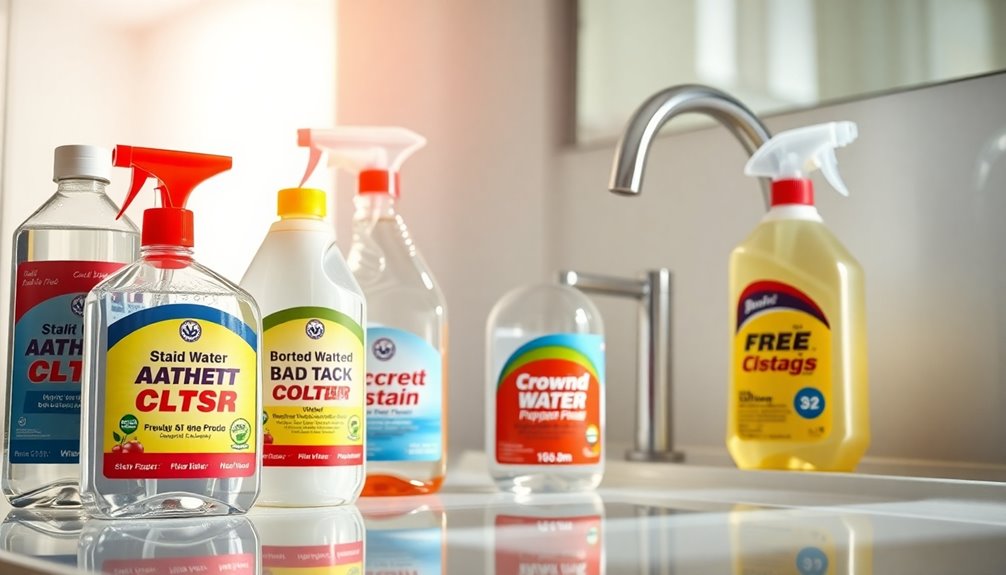
Choosing the right cleaning product can make a world of difference in tackling hard water stains effectively. Here's a quick comparison of popular cleaning products that can help you remove hard water stains:
| Product | Key Ingredients | Effectiveness |
|---|---|---|
| Shaklee Scour Off | Natural abrasives | Minimal scrubbing |
| Norwex Cleaning Paste | Eco-friendly formula | Quick stain removal |
| OxiClean Foam-Tastic | Foaming action | Great for large areas |
| Vinegar/Citric Acid | Acidic properties | Neutralizes minerals |
Testing different cleaning products can enhance your stain removal efforts, letting you find the best option for your specific challenges. Remember, some may require more elbow grease than others! Additionally, using acidic properties in cleaning agents can help effectively neutralize minerals found in hard water.
Tips for Preventing Hard Water Stains in Your Home
Hard water stains can be a persistent nuisance, but taking proactive steps can save you time and effort in the long run.
Start by regularly drying surfaces like sinks, showers, and countertops after use to prevent hard water buildup. Use a diluted vinegar solution for weekly wipes; it helps dissolve mineral deposits before they accumulate.
Regularly drying surfaces and using a diluted vinegar solution can effectively prevent hard water buildup.
Consider installing water softeners to filter out calcium and magnesium, providing long-term protection against stains while improving cleaning efficiency. Keep bathroom and kitchen fixtures clean to discourage stain adherence.
Finally, schedule periodic water tests to identify hard water levels in your home, allowing you to take proactive measures for removing stains and avoiding future issues. Additionally, maintaining a clean living space can further reduce the likelihood of hard water stains by minimizing the accumulation of dirt and grime.
Frequently Asked Questions
What Is the Best Cleaning Product for Hard Water Stains?
For tackling hard water stains, you'll find that products containing acidic ingredients, like vinegar or citric acid, work wonders.
Commercial options like CLR or OxiClean Foam-Tastic can effectively break down tough stains with their foaming action.
If you prefer something less commercial, try a homemade paste of baking soda and vinegar. It's easy to apply and can lift stubborn mineral deposits without much scrubbing.
Experiment to find what works best for you!
Why Do Detergents Perform Better in Hard Water?
Did you know that about 85% of homes in the U.S. have hard water?
Detergents perform better in hard water because they contain surfactants that bind to minerals, enhancing dirt removal. These surfactants work alongside chelating agents, which capture calcium and magnesium ions, preventing them from interfering with the cleaning process.
You'll find that using high-efficiency liquid detergents is especially effective, as they mix better and penetrate stains more efficiently.
What Do Professional Window Cleaners Use on Hard Water Stains?
When tackling hard water stains, professional window cleaners often turn to vinegar or vinegar-based solutions for their acidity, which effectively dissolves mineral deposits.
They might also use commercial products like CLR, specifically designed to break down these stains.
After applying the cleaning solution, you'll want to use a squeegee to remove residues without leaving streaks.
Some pros even mix baking soda and vinegar for a fizzy reaction that lifts stubborn stains.
Does CLR Really Work on Hard Water Stains?
Absolutely, CLR really works on hard water stains.
While some cleaners just smudge and spread the grime, CLR penetrates and dissolves those tough mineral deposits with its acidic formula.
You'll notice how easily it tackles stains on metal and porcelain surfaces, making your cleaning routine more efficient.
Just remember to apply it directly, let it sit, and rinse thoroughly.
You'll appreciate the results, but always follow safety guidelines to protect yourself and your surfaces.
Conclusion
In the battle against hard water stains, you've got the right cleaning agents on your side, like trusty soldiers armed with powerful weapons. Just as a painter chooses vibrant colors for a masterpiece, you can select the best products to restore shine to your surfaces. With a little prevention, you'll keep those pesky stains at bay, allowing your home to sparkle like a sunlit morning dew. Embrace the power of chemistry, and watch your cleaning routine transform!
Flea & tick season Picks
flea and tick prevention
As an affiliate, we earn on qualifying purchases.



![Pedestrian Walkways No Place For Chairs And Tables [WATCH] - NST Online](https://cleanerslink.com/wp-content/uploads/2026/09/pedestrian-walkways-no-place-for-chairs-and-tables-watch-nst-online-featured-260x140.jpg)
