
Heat helps certain cleaning jobs by speeding up chemical reactions, dissolving detergents better, and breaking down stubborn stains more quickly. It works well on surfaces like glass, ceramics, and some plastics. However, applying too much heat on delicate or sensitive surfaces can cause warping, discoloration, or damage. Knowing when and how to use heat is key to avoiding harm. If you’re curious about how to optimize heat use without risking damage, there’s more to discover.
Key Takeaways
- Heat accelerates chemical reactions and stain breakdown, making cleaning faster and more effective on compatible surfaces.
- Warm water improves detergent dissolution, enhancing cleaning efficiency on suitable materials.
- Excessive heat can damage sensitive surfaces like plastics, painted finishes, or delicate fabrics.
- Proper heat levels activate cleaning agents without causing warping, melting, or discoloration.
- Understanding material properties prevents heat from setting residues or causing surface deterioration.
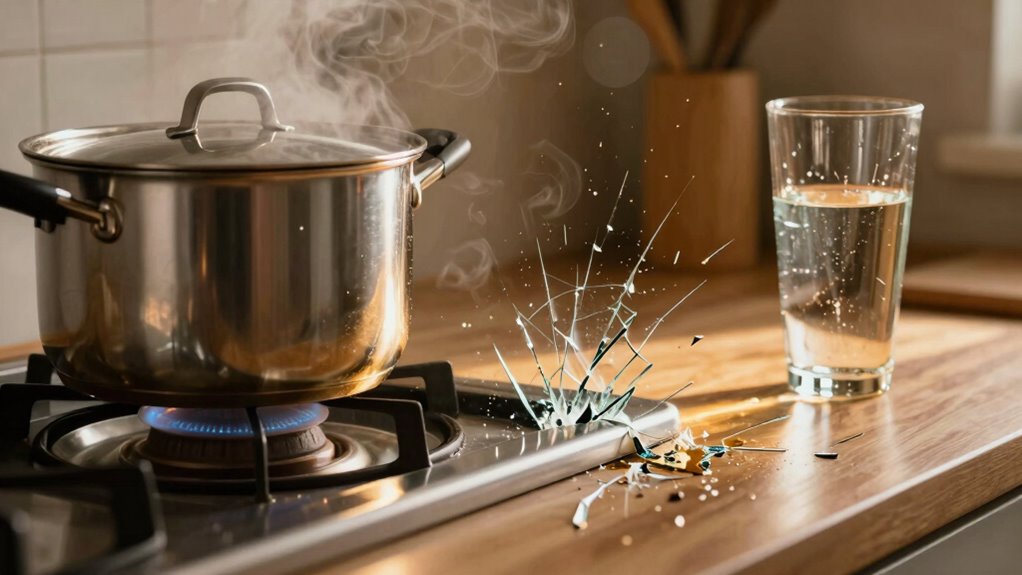
Heat is a powerful cleaning tool, but it’s not always your friend. When used correctly, it can accelerate chemical reactions, break down dirt, and loosen grime, making cleaning faster and more effective. However, if you don’t pay attention to surface compatibility, heat can cause more harm than good. Understanding when heat helps and when it hurts depends on a few key factors, especially how surfaces react to high temperatures and the chemistry involved.
Heat can boost cleaning efficiency but may damage sensitive surfaces—use it wisely and know your materials.
In many cleaning scenarios, heat boosts chemical reactions. For instance, warm water helps detergents dissolve more quickly, increasing their ability to lift dirt and grease. It also speeds up the breakdown of stubborn stains, turning complex grime into simpler, easier-to-remove compounds. When surfaces are compatible with heat, this process works seamlessly. Glass, ceramic, and certain plastics can handle moderate heat without damage, making them ideal candidates for hot water or steam cleaning. The increased temperature activates cleaning agents, making your efforts more efficient. Additionally, temperature tolerance varies among materials, highlighting the importance of selecting the appropriate heat level for each surface. Knowing the material properties can help prevent accidental damage during cleaning. Understanding heat transfer principles can further optimize your cleaning techniques and prevent unintended harm.
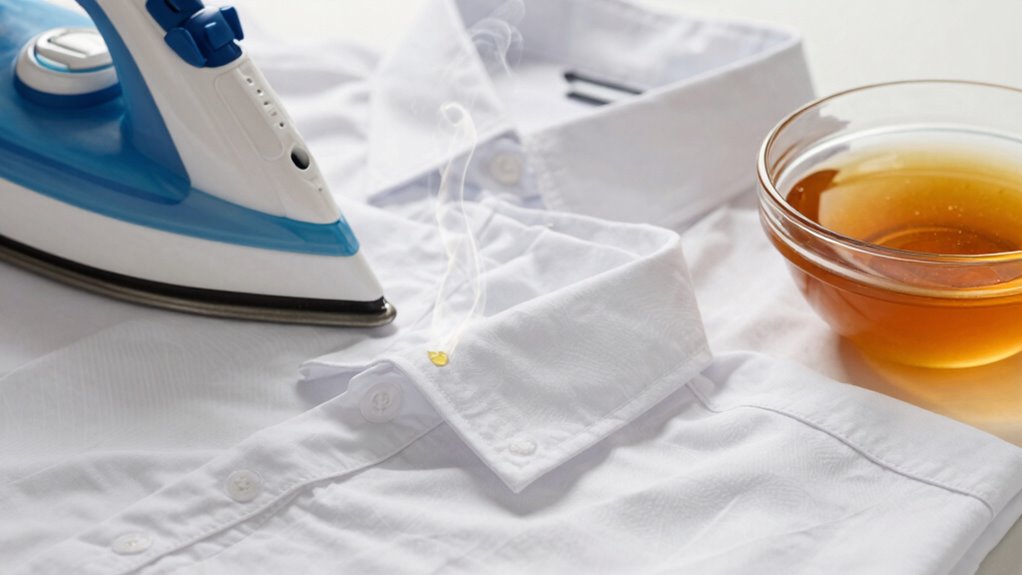
But not all surfaces respond well to heat. Some materials, like certain plastics, painted surfaces, or delicate fabrics, are sensitive to high temperatures. Applying heat to these surfaces can cause warping, discoloration, or deterioration. For example, heat can soften or melt plastics, ruin paint finishes, or weaken adhesives. In such cases, the chemical reactions that make cleaning effective can also trigger damage, especially if the surface isn’t compatible with elevated temperatures. That’s why it’s essential to know the surface’s tolerance before exposing it to heat—what works wonders on tile might ruin a synthetic fabric. Additionally, surface sensitivity varies widely among materials, which makes it crucial to understand the specific properties of what you’re cleaning.
Moreover, heat can sometimes hinder cleaning efforts if it causes residues to set or harden. For example, using excessive heat on certain adhesives or residues can cause them to cure or bond more tightly to the surface, making removal more difficult. The key is balancing the temperature to enhance chemical reactions without crossing the point where damage or increased adhesion occurs. This is especially true when dealing with sensitive materials or finishes that react unpredictably to heat. Furthermore, knowing the effects of heat on different materials can help prevent unintended damage and improve cleaning outcomes. Being aware of these interactions allows you to optimize your cleaning strategies and avoid costly mistakes.

Steam Cleaner, Portable Steamer for Cleaning with 16pcs Accessories, 6-Level Adjustable and 15s Heat-Up, Handheld Steam Cleaner for Home, Tile, Dirt, Grout, Grease, Car Detailing
- Fast Heat-Up Time: Heats in 15 seconds to 221°F
- High-Pressure Steam: Releases 3 bar pressure for deep cleaning
- Adjustable Steam Levels: Six intensity settings for versatile cleaning
As an affiliate, we earn on qualifying purchases.
As an affiliate, we earn on qualifying purchases.
Frequently Asked Questions
How Does Heat Affect the Longevity of Cleaning Tools?
Heat can reduce the longevity of your cleaning tools through heat-induced tool degradation. High temperatures cause materials like rubber and plastic to weaken or warp, shortening their lifespan. However, moderate heat can boost temperature-related cleaning efficiency, making your tools more effective. To extend their life, avoid exposing tools to excessive heat, and use the right temperature settings for each task, balancing cleaning power with tool durability.
Can Heat Damage Delicate Fabrics During Cleaning?
Yes, heat can damage delicate fabrics during cleaning. Excessive heat may cause heat-induced fabric fading, ruining the fabric’s color and appearance. It can also set stains, making them harder to remove later. To protect delicate fabrics, always check care labels and opt for lower temperatures. Using too much heat risks permanent damage, so being cautious helps maintain the fabric’s integrity and keeps your garments looking their best.
What Are the Safest Temperature Levels for Cleaning Electronics?
Cleaning electronics is like walking a tightrope—you need balance. Keep temperatures low, ideally between 60°F and 75°F, to prevent damage. Make sure your device’s temperature calibration is accurate before cleaning. Too hot, and you risk harming sensitive components; too cold, and cleaning efficacy drops. Using a soft cloth dampened with a gentle cleaner at these temperatures helps effectively remove dirt without risking harm, keeping your electronics safe and spotless.
Does Heat Influence the Toxicity of Cleaning Chemicals?
Yes, heat can influence the toxicity of cleaning chemicals by accelerating chemical reactions, which may increase toxicity levels. When you use higher temperatures, some chemicals can break down into more harmful substances or become more volatile, potentially releasing toxic fumes. Consequently, you should always follow the manufacturer’s guidelines, especially regarding temperature, to guarantee safety and prevent unintended chemical reactions that could elevate toxicity levels during cleaning.
How Can I Tell if My Surface Is Heat-Sensitive?
You can tell if your surface is heat-sensitive by performing simple temperature testing and observing surface sensitivity. Start by applying a small amount of heat in an inconspicuous area, then check for any discoloration, warping, or damage. If the surface reacts negatively, it’s heat-sensitive. Always test before using heat on delicate surfaces, and pay close attention to signs of heat damage, ensuring you protect your surfaces from potential harm.
Conclusion
Understanding when heat helps or hurts your cleaning efforts is like steering a tricky dance. When used correctly, heat can melt away grime and loosen stubborn stains, making your job easier. But push it too far, and you risk damaging surfaces or setting stains deeper. So, think of heat as a double-edged sword—you hold the power to make cleaning a breeze or a battle. Use it wisely, and your cleaning routine will shine brighter than ever.