TL;DR

Get cleaning gear delivered free with Prime
- Fast, free delivery on millions of items
- Prime Video, Amazon Music and more included
- Member-only deals all year
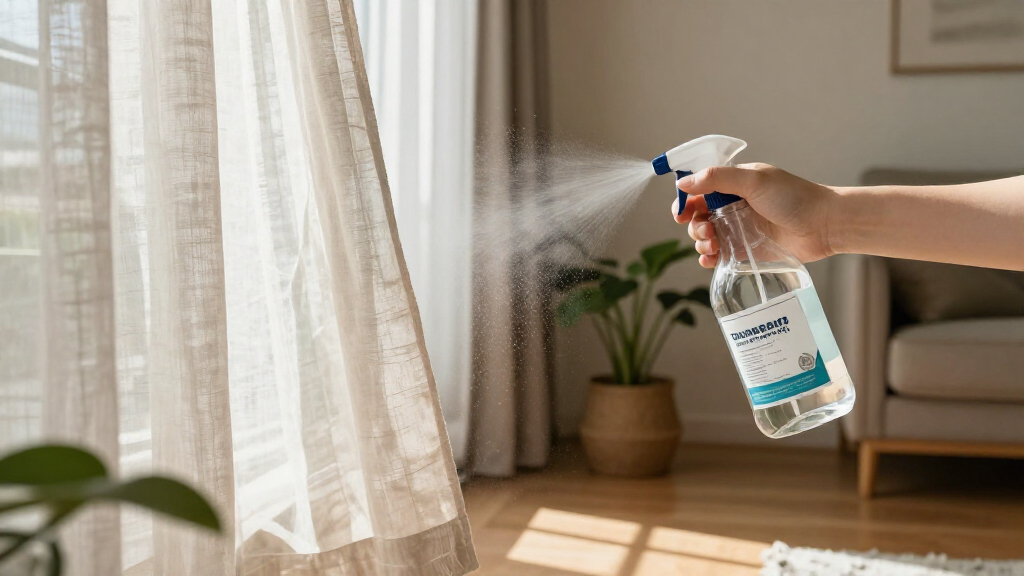
A Hunker report describes mixing ¼ cup of rubbing alcohol with 1 cup of distilled water for a light curtain-refreshing mist. The mixture may evaporate quickly, but it is not a substitute for washing or dry cleaning, and the report warns that rubbing alcohol is flammable and fabrics should be tested first.
Hunker has described a diluted rubbing-alcohol spray as an occasional way to freshen curtains after cleaning, using ¼ cup of rubbing alcohol and 1 cup of distilled water. The home-care guidance says the mixture can help fabrics dry quickly, but it does not replace cleaning and should be used cautiously because rubbing alcohol is flammable.
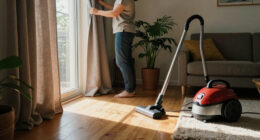
The suggested mixture uses one part rubbing alcohol to four parts distilled water. The report recommends putting it in a clean spray bottle and lightly misting curtains rather than soaking them. Before applying the spray, it advises vacuuming the fabric with an upholstery attachment to remove loose dust. Curtains should then be left to air-dry fully.
Adding fragrance is optional. Hunker says a person may add about 10 drops of essential oil to the bottle, but recommends testing the oil on an inconspicuous area first to check for stains or residue. If oil is included, the bottle should be shaken before each use so the ingredients are dispersed. The report says the alcohol smell should fade as the mixture evaporates, while added fragrance may leave a scent.
The guidance draws a distinction between refreshing and cleaning. It says the diluted spray is an occasional finishing touch, not a treatment for the source of a persistent or strong odor. Hunker advises following each curtain’s care label and checking with a dry cleaner before applying homemade spray to dry-clean-only drapes.
A Refresher Is Not A Cleaning Method
The distinction matters because a pleasant scent can make fabric seem cleaner without removing what caused an odor. Hunker cautions that fragrance added to the mixture may mask a smell rather than remove its source, and says the unfragranced solution does not leave a lasting fresh-linen scent. Curtains with persistent odors may need appropriate cleaning rather than another misting.
There are also practical safety and fabric-care concerns. The report warns that alcohol is flammable and says to spray only in a well-ventilated area, away from candles, heaters and other heat sources. Light application, a spot test and adherence to the care label reduce the risk of damaging fabric, but the source does not establish that the spray is suitable for every material or finish.
Products Worth Considering

Dyson V8 Cyclone Cordless Vacuum

eufy E25 Robot Vacuum and Mop Combo with HydroJet Roller Mop

Dyson Ball Animal 3 Corded Upright Vacuum
As an affiliate, we earn on qualifying purchases.
The Suggested Mix And Application
The Hunker report presents the spray as a simple alternative to commercial linen spray, aimed at stale-smelling rooms where curtains may have been overlooked during routine cleaning. Its proposed ingredients are rubbing alcohol, distilled water and a labeled spray bottle; essential oil is optional. The article does not describe laboratory testing or provide evidence that the mixture works on every type of curtain.
Its use instructions are specific: first remove loose dust by vacuuming, then apply a light mist without saturating the fabric and allow it to dry completely. The advice also calls for storing the bottle upright in a cool place away from heat, with the container labeled. These steps are part of the report’s DIY guidance, not a substitute for the curtain maker’s care instructions.
“Think of this solution as an alternative to a linen spray.”
— Hunker report
Fabric Compatibility And Results Vary
The report does not identify which curtain fabrics, dyes, coatings or finishes tolerate the mixture, nor does it give test results comparing the spray with other odor treatments. It recommends testing essential oil for stains or residue, but that advice does not establish that the alcohol-and-water mixture itself is safe for every fabric. Readers should follow the care label and seek a dry cleaner’s advice for dry-clean-only curtains.
The source also does not quantify how much odor the spray removes or how long any effect lasts. Its own description is limited: the alcohol evaporates quickly, while added fragrance may cover rather than eliminate the odor. The cause of any stale smell—and whether it calls for deeper cleaning—cannot be determined from the spray instructions alone.
Check Care Labels Before Spraying
Anyone considering the DIY mixture should first check the curtain’s care label, remove loose dust, and test a small, hidden area before treating a larger section. The report recommends using only a light mist, allowing the fabric to dry fully, and keeping the spray away from flames and heat. For dry-clean-only curtains, it advises consulting a dry cleaner before use.
If the odor continues, the next step is to address the curtains according to their cleaning instructions rather than relying on fragrance. The Hunker report does not announce a product launch or a new scientific finding; it offers household guidance, and no additional testing or follow-up findings are included in the supplied source material.
Key Questions
What is the suggested curtain spray mixture?
Hunker’s recipe uses ¼ cup of rubbing alcohol and 1 cup of distilled water in a clean spray bottle. Essential oil is optional.
Does the spray remove the cause of a stale odor?
Not necessarily. The report says added fragrance may mask the smell, and it describes the spray as an occasional refresher rather than a replacement for cleaning.
Can it be used on dry-clean-only curtains?
Hunker advises checking with a dry cleaner first before applying a homemade spray to dry-clean-only drapes.
What safety steps does the report recommend?
Use the spray in a well-ventilated area, away from candles, heaters and other heat sources. Rubbing alcohol is flammable. Store the labeled bottle upright in a cool place away from heat.
Should the curtains be soaked?
No. The report recommends a light mist, not soaking, followed by complete air-drying. It also suggests vacuuming first to remove loose dust.
Source: rss