Avoid using harsh chemicals like bleach or fabric softeners, as they can weaken microfiber fibers over time. Don’t wash too frequently or use high temperatures, which can damage or shrink the fabric. Be sure not to overload your washing machine—this reduces cleaning effectiveness and can cause fibers to fray. Also, skip high-heat drying; instead, opt for air drying or low heat. Neglecting proper maintenance quietly shortens microfiber’s lifespan. Keep going to discover more ways to protect your microfiber!

Get cleaning gear delivered free with Prime
- Fast, free delivery on millions of items
- Prime Video, Amazon Music and more included
- Member-only deals all year
Key Takeaways
- Using harsh chemicals or bleach can degrade microfiber fibers over time, reducing durability and softness.
- Washing microfiber too frequently or at high temperatures weakens fibers and accelerates fraying.
- Overloading the washing machine hampers effective cleaning and can cause dirt buildup, damaging fibers silently.
- Drying microfiber with high heat can shrink or melt fibers, diminishing performance and lifespan.
- Neglecting regular cleaning of laundry appliances transfers dirt and residues onto microfiber, impairing its quality.

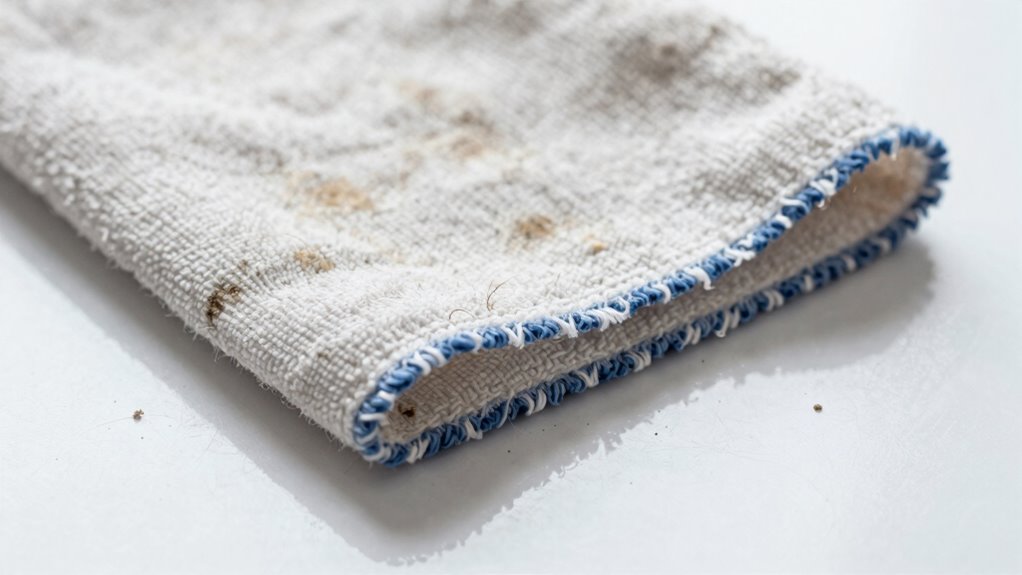
Microfiber is a popular fabric choice because of its softness and durability, but many people make simple mistakes when caring for it that can damage the material. One common error is believing cleaning myths that suggest harsh chemicals or frequent washing are necessary to keep microfiber looking new. These myths often lead to using bleach, fabric softeners, or strong detergents, which can break down the fibers over time. Instead, you should use gentle, microfiber-specific cleaning products that preserve the fabric’s integrity. Over time, improper cleaning methods can silently diminish material durability, making your microfiber less resilient and more prone to pilling or fraying. When you ignore these guidelines, you risk shortening the lifespan of your microfiber items without realizing it.
Proper microfiber care prevents damage, pilling, and fraying, helping your fabrics stay soft and durable longer.
Another mistake is washing microfiber too frequently or at high temperatures. Many assume that hot water kills germs and keeps the fabric spotless, but high heat can weaken the fibers and cause them to lose their soft feel. You should opt for cold or warm water, and only wash microfiber when necessary. Overloading the washing machine also hampers effective cleaning, as the fabric needs enough room to move freely. If you cram too many items in, dirt and debris can settle into the fibers, gradually reducing the material’s performance. Failing to follow proper washing instructions can quietly erode the fabric’s durability, leaving it less effective at repelling dirt and stains. Additionally, understanding how fiber properties respond to different cleaning methods is crucial in maintaining their longevity. Proper drying techniques are equally important, as improper methods can subtly damage your microfiber.
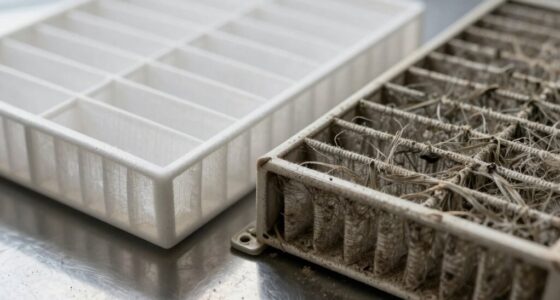
Another overlooked mistake involves improper drying techniques. Using high heat in the dryer can cause microfiber to melt or shrink, which damages the fibers and leads to a rougher texture. Air drying or using a low-heat setting is much gentler and helps maintain the fabric’s original softness and strength. Additionally, neglecting to clean your washing machine regularly can lead to buildup of dirt and detergent residue, which can transfer onto microfiber items and diminish their appearance and function over time. This buildup can cause fibers to break down faster, subtly reducing the fabric’s performance without you noticing immediately. Regular maintenance of your laundry appliances, including cleaning your washing machine, is essential to prevent this kind of buildup and prolong the life of your microfiber items. Moreover, being aware of fabric care guidelines can help you avoid common mistakes and extend the lifespan of your microfiber. Proper cleaning and maintenance are also supported by understanding the importance of preventing buildup, which helps keep your microfiber in optimal condition.
In essence, understanding and avoiding common care errors can considerably extend the life of your microfiber. Dispelling cleaning myths and recognizing how proper maintenance supports material durability will help you keep your microfiber items looking and functioning like new for years. Proper care isn’t just about cleanliness; it’s about maintaining the fabric’s integrity and resilience, ensuring you get the most out of your investment.
As an affiliate, we earn on qualifying purchases.
Frequently Asked Questions
Can Using Fabric Softener Damage Microfiber Materials?
Yes, using fabric softener can damage microfiber materials. It causes fabric softener buildup that clogs the fibers, leading to microfiber degradation over time. This buildup reduces the material’s softness, absorbency, and breathability, ultimately diminishing its performance. To keep your microfiber items in top shape, avoid fabric softeners and opt for gentle, microfiber-specific cleaning methods instead.
How Often Should Microfiber Items Be Washed?
Think of microfiber as a fine-tuned engine needing regular tune-ups. You should wash microfiber items every 1-2 weeks to keep them fresh and effective. This frequency helps with stain removal and maintains fabric longevity. If you notice stains or odors, wash sooner. Regular washing prevents dirt from embedding, ensuring your microfiber stays soft and durable, ready to serve you well without losing its performance.
Is It Safe to Iron Microfiber Fabrics?
Ironing microfiber fabrics is generally unsafe because of potential ironing hazards, like melting or damaging the fibers. The heat can distort the fabric’s texture and reduce its performance. Avoid using fabric softener before ironing, as it can leave residues that might interfere with heat transfer. Instead, if you need to smooth out wrinkles, use a steamer on low heat or place a cloth between the iron and the fabric to protect it.
What Drying Methods Are Best for Microfiber Products?
For microfiber maintenance, air drying is your best choice, as it gently preserves the fabric’s quality. If you prefer a quicker method, use a low-heat setting on your dryer, but avoid high heat which can damage the fibers. Avoid wringing or twisting microfiber products, as this can cause deformation. Proper drying techniques, like laying flat or hanging to dry, help maintain the softness and performance of your microfiber items over time.
Do Microfiber Cleaners Remove All Types of Stains Effectively?
Microfiber cleaners don’t remove all types of stains effectively. You might think your cleaner works perfectly, but some stubborn stains resist, challenging your cleaning effectiveness. Stain removal varies depending on the substance and how quickly you treat it. For best results, choose the right cleaner and follow proper techniques. Don’t assume one product solves everything—sometimes, you need a targeted approach. Stay vigilant, and you’ll keep your microfiber looking fresh and spotless.
Conclusion
By paying close attention to how you care for your microfiber, you can keep it performing at its best for longer. Small missteps might seem harmless, but they can subtly diminish its effectiveness over time. Think of proper maintenance as a gentle touch that preserves its softness and durability. When you treat your microfiber with care and avoid common pitfalls, you guarantee it remains a trusted companion, quietly supporting your daily routines with grace and reliability.
Halloween Picks
halloween
As an affiliate, we earn on qualifying purchases.