
Friction helps you physically dislodge dirt and grime from surfaces by breaking their bonds, making cleaning more effective. Heat speeds up chemical reactions, loosening stubborn stains and killing germs, while also boosting cleaning solutions’ effectiveness. Chemistry uses surfactants and acids to target specific dirt or microbes, enhancing the overall process. When you combine these elements properly, your cleaning becomes thorough and efficient—there’s much more to discover about how these work together to achieve spotless results.

Get cleaning gear delivered free with Prime
- Fast, free delivery on millions of items
- Prime Video, Amazon Music and more included
- Member-only deals all year
Key Takeaways
- Friction physically dislodges dirt, grime, and stubborn stains from surfaces.
- Heat accelerates chemical reactions, loosens deposits, and enhances microbial kill rates.
- Chemistry uses surfactants and targeted agents to break down specific types of dirt and microbes.
- Friction, heat, and chemistry work synergistically to improve cleaning efficiency and sanitation.
- Proper control of these elements optimizes cleaning effectiveness and safety.
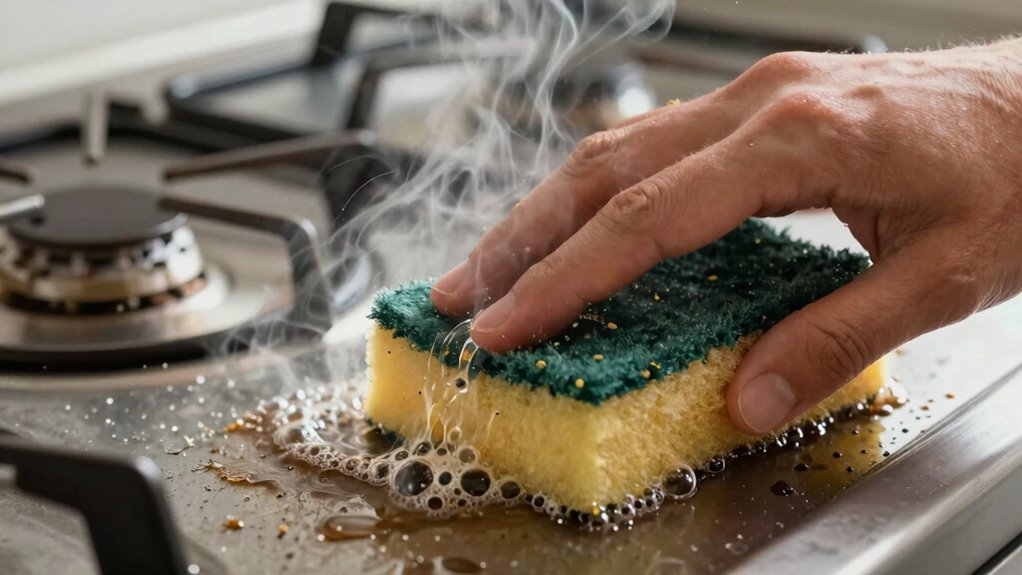
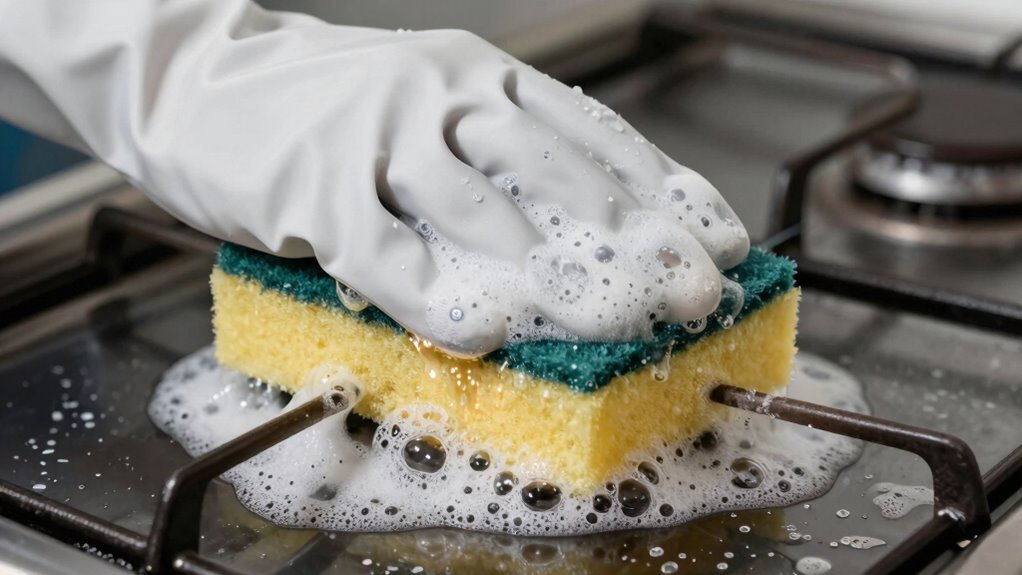
Cleaning often involves more than just wiping surfaces; it’s a complex interplay of friction, heat, and chemistry that effectively removes dirt and stains. Understanding how these elements work together can help you clean more efficiently and thoroughly. When you scrub a surface, you’re applying friction, which physically dislodges dirt and grime. This mechanical action breaks the bonds holding particles to the surface, making it easier for cleaning agents to do their job. Friction is especially essential when tackling stubborn stains or sticky residues, as it provides the necessary force to lift dirt away. Proper ventilation during cleaning can also help remove airborne contaminants and improve indoor air quality. Heat plays a fundamental role in cleaning by accelerating chemical reactions and loosening stubborn deposits. When you use warm or hot water, it helps dissolve oils, greases, and other hydrophobic substances that cold water struggles to remove. Heat also increases the kinetic energy of molecules, which boosts the effectiveness of cleaning solutions. Additionally, warmer temperatures can kill or deactivate many microorganisms, aiding in microbial elimination on surfaces. This is particularly important in environments requiring high sanitation standards, such as kitchens or hospitals. The combination of heat and cleaning agents enhances the breakdown of organic matter, making it easier to wipe away or rinse off. Chemical reactions are often faster and more complete at higher temperatures, amplifying their cleaning power. In fact, understanding how to control temperature effectively can significantly improve cleaning efficiency and safety. Proper chemical formulation ensures that cleaning agents work optimally under different conditions. Chemistry is at the core of most cleaning processes. Many cleaning products contain surfactants, acids, or alkalis that target specific types of dirt. Surfactants lower surface tension, the cohesive force between liquid molecules, allowing water to spread more evenly and penetrate tiny crevices. This action helps lift dirt from surfaces and suspend it in the cleaning solution, so it can be rinsed away. Additionally, chemical agents can disrupt the cell walls of microbes, leading to effective microbial elimination. Disinfectants, for example, often contain compounds that denature proteins or interfere with microbial enzymes, destroying bacteria, viruses, and fungi. The chemistry behind these agents makes them powerful tools against germs, especially when combined with physical forces like friction and heat. Incorporating temperature control effectively can optimize cleaning results by adjusting heat levels to suit different surfaces and contaminants. When used properly, chemistry can target specific types of grime or microbes more effectively than mechanical action alone.
As an affiliate, we earn on qualifying purchases.
Frequently Asked Questions
How Do Different Materials Affect Cleaning Effectiveness?
Different materials considerably influence cleaning effectiveness through surface interactions and material compatibility. When you choose cleaning tools or solutions, consider how they interact with the surface to avoid damage or ineffective cleaning. For example, using compatible chemicals and gentle friction on sensitive surfaces optimizes results. Understanding surface interactions ensures you select the right approach, making cleaning more efficient while preventing harm to delicate materials.
Can Heat Damage Delicate Surfaces During Cleaning?
Heat can indeed damage delicate surfaces if you’re not careful. You might think it’s harmless, but heat sensitivity varies, and excessive heat can cause warping, discoloration, or deterioration. To preserve surface integrity, always test on a small area first, use gentle heat settings, and avoid prolonged exposure. Your goal is effective cleaning without compromising surface preservation—so handle heat with caution and stay vigilant.
What Chemicals Are Safest for Environmentally Friendly Cleaning?
You should look for cleaning products with eco-friendly ingredients and non-toxic formulations, as these are safest for the environment. These ingredients include plant-based surfactants, vinegar, baking soda, and essential oils. They effectively clean without releasing harmful chemicals into water or air. By choosing products with these qualities, you guarantee your cleaning routine is safe for both your home and the planet, supporting sustainable living.
How Does Humidity Influence Cleaning Outcomes?
Humidity levels can make or break your cleaning efforts—it’s like trying to tame a wild beast. When humidity is high, moisture impact can cause surfaces to feel sticky or damp, making dirt harder to remove. Conversely, low humidity helps cleaning agents work more effectively by preventing excess moisture. Adjusting humidity levels optimizes cleaning results, ensuring surfaces stay spotless and fresh, without the chaos of unwanted moisture interfering.
Are There Any Risks Associated With Combining Heat and Chemicals?
Yes, combining heat and chemicals can pose risks, mainly due to uncontrolled chemical reactions. When you use heat, it accelerates these reactions, which might produce harmful fumes or even cause explosions if incompatible chemicals are involved. To stay safe, always follow heat safety guidelines and manufacturer instructions. Vent the area well, wear protective gear, and never heat chemicals directly unless explicitly instructed, reducing the risk of accidents.
Conclusion
Understanding how friction, heat, and chemistry work together helps you clean more effectively. By applying the right amount of each, you turn a challenging task into a manageable one. Remember, often it’s the little things that make a big difference—don’t underestimate their power. With this knowledge, you’re better equipped to tackle stains and grime, proving that sometimes, a little know-how goes a long way. Keep these tools in your cleaning arsenal and watch your efforts pay off.
Fall Picks
fall essentials
As an affiliate, we earn on qualifying purchases.