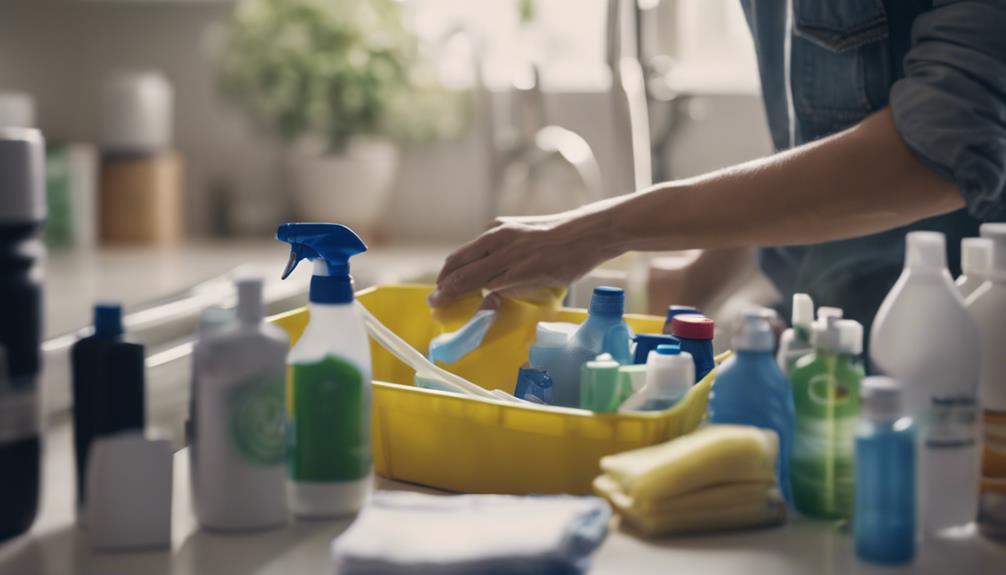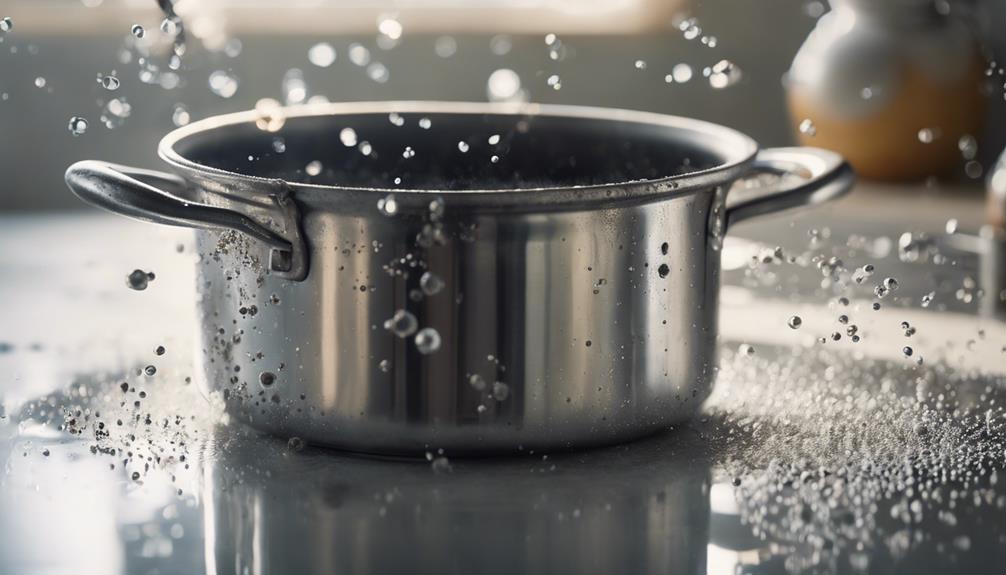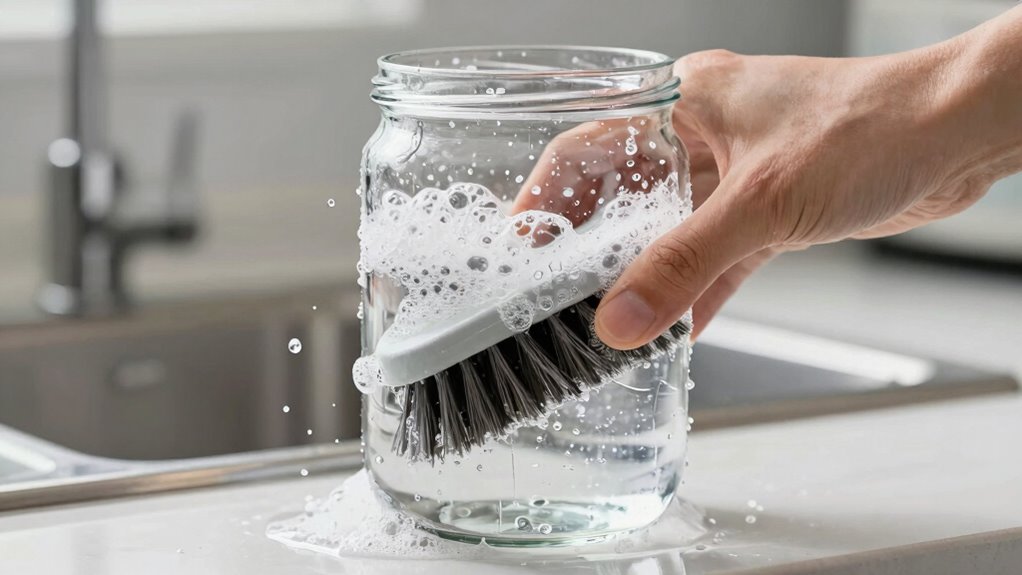

In practical cleaning, agitation means using mechanical actions like scrubbing, brushing, or wiping to actively loosen and lift dirt, grime, and residues from surfaces. Instead of aimless rubbing, you apply targeted force that helps cleaning solutions penetrate cracks and textured areas. Proper agitation breaks down buildup and prevents residues from settling back, making your cleaning more effective and efficient. Keep going to discover how matching agitation techniques to different surfaces boosts your cleaning results even further.

Get cleaning gear delivered free — and shop member deals
- Fast, free delivery on millions of items
- Access to Prime Big Deal Days deals on October 6–7
- Prime Video, Amazon Music and more included
Key Takeaways
- Agitation involves mechanical action like scrubbing to loosen and lift dirt and residues from surfaces.
- It enhances cleaning by allowing agents to reach microscopic crevices and embedded grime.
- Proper agitation breaks down residues and prevents buildup, ensuring thorough cleaning.
- The intensity of agitation should match the surface and dirt type to avoid damage.
- Effective agitation results in quicker, more efficient cleaning and longer-lasting cleanliness.
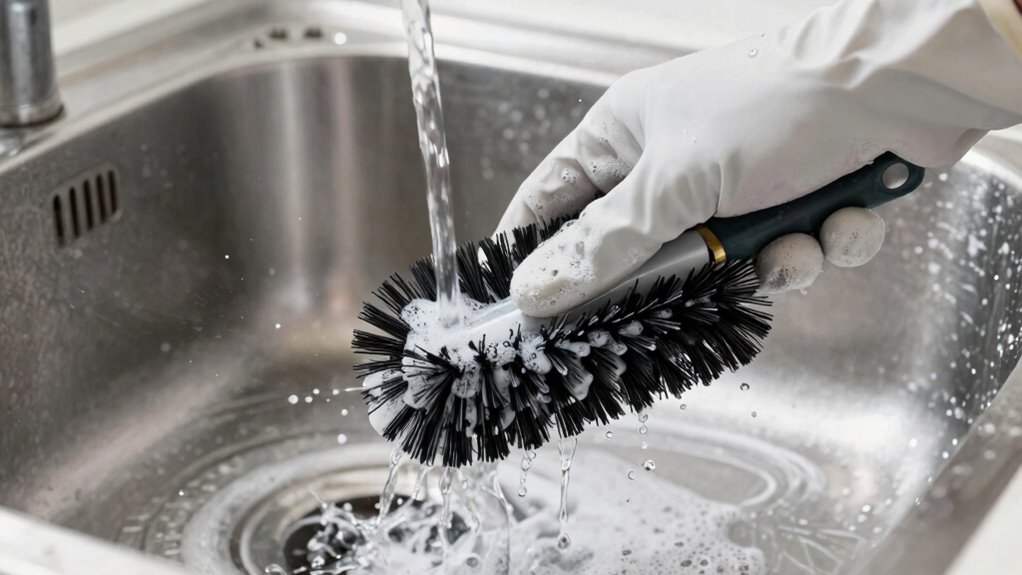
Have you ever wondered how effective cleaning can be achieved without wasting time or effort? The secret lies in understanding what agitation truly means in practical cleaning. At its core, agitation is about actively disrupting dirt, grime, and residues on surfaces so they can be easily removed. When done correctly, it enhances cleaning efficiency by promoting better surface penetration and residue removal. Instead of scrubbing aimlessly or relying solely on chemical cleaners, you focus on applying the right amount of mechanical action to loosen stubborn dirt. This guarantees you’re not just spreading contaminants around but actually breaking them apart and lifting them off surfaces.
Effective cleaning relies on proper agitation to break apart dirt and improve residue removal efficiently.
Surface penetration is a key aspect of agitation. It involves the process of working cleaning agents into microscopic crevices, pores, or textured surfaces where dirt often hides. When you agitate properly, you allow the cleaning solution to reach deeper layers of grime, making removal more thorough. For example, when cleaning textured tiles or porous materials, agitation helps the cleaning solution seep into tiny holes and cracks, loosening trapped dirt that otherwise would be impossible to eliminate with just wiping or spraying. The more effective your agitation, the better the cleaning solution can do its job, reaching areas that are usually difficult to access. Additionally, proper agitation can prevent the buildup of residues that can harbor bacteria and other contaminants over time. It also helps in preventing residue buildup, which is essential for maintaining hygienic surfaces. Proper agitation also reduces the need for repeated cleaning, saving both time and resources.
Residue removal is another critical component of practical cleaning agitation. When cleaning agents or detergents are applied, they need to be broken down and lifted away from surfaces efficiently. If you don’t agitate enough, residues can remain, attracting new dirt and causing surfaces to look dull or stained over time. Proper agitation ensures these residues are physically dislodged from surfaces, making the cleaning process more complete. Whether you’re scrubbing, using brushes, or employing mechanical devices, the goal is to create enough movement to lift away residues, leaving surfaces cleaner and more sanitized.
In practice, agitation isn’t just about vigorous scrubbing; it’s about applying the right type of mechanical action at the right intensity. Softer surfaces might require gentle agitation, like light brushing or wiping, while harder surfaces can handle more vigorous scrubbing. The key is to match your technique to the surface and the type of dirt you’re dealing with. When you understand and implement effective agitation, you’re not just cleaning; you’re optimizing your efforts. You’ll find that surfaces stay cleaner longer, and cleaning becomes quicker and less labor-intensive. Fundamentally, agitation is the bridge that turns chemical cleaning agents into truly effective cleaning solutions, making the entire process more practical and efficient. Understanding surface penetration can significantly improve your cleaning outcomes by ensuring that cleaning agents reach every corner of the surface. Proper agitation techniques can also contribute to longer-lasting cleanliness, reducing the frequency of deep cleaning sessions needed. Mastering the art of agitation involves understanding the mechanical action required for different surfaces, which can greatly enhance your cleaning results.
Frequently Asked Questions
What Tools Are Best for Effective Agitation?
For effective agitation, you should use tools like brushes, scrubbers, or rotary machines that provide consistent, vigorous movement. These tools help maximize chemical reactions by thoroughly mixing cleaning agents with dirt and grime. Regular equipment maintenance guarantees these tools stay efficient and don’t compromise cleaning performance. Using the right tools and maintaining them properly ensures you achieve deep cleanliness, making agitation more effective and efficient in your cleaning process.
How Long Should Agitation Last for Different Surfaces?
You should vary agitation duration based on surface compatibility; for delicate surfaces, keep agitation brief—around 1-2 minutes—to prevent damage. For tougher surfaces like concrete or heavily soiled areas, extend agitation to 3-5 minutes for thorough cleaning. Always observe the surface’s response, adjusting the agitation duration accordingly. Proper timing guarantees effective cleaning without harming the material, making your process both efficient and safe.
Can Agitation Damage Delicate Materials?
Like a gentle whisper, agitation can harm delicate materials if you’re not careful. You must handle with care, knowing that material sensitivity varies. Over-agitation might weaken fibers or cause scratches, turning your cleaning effort into damage. Always use gentle handling techniques, adjusting your approach based on the material’s resilience. By respecting its sensitivity, you preserve the beauty and integrity of delicate surfaces, ensuring they stay pristine without unintended harm.
What’s the Difference Between Agitation and Scrubbing?
Agitation involves gentle movement to promote surface penetration, whereas scrubbing uses vigorous scrubbing motions. Agitation encourages chemical reactions by loosening dirt without damaging delicate surfaces, making it ideal for sensitive materials. Scrubbing, on the other hand, applies more force, which can sometimes harm fragile items. So, while both methods aid cleaning, agitation emphasizes controlled, surface-penetrating action, reducing risk of damage and optimizing effective cleaning.
How Does Agitation Improve Cleaning Results?
Agitation supercharges your cleaning, turning a simple task into a powerful force that sparks chemical reactions, breaking down dirt and grime faster than you thought possible. It guarantees cleaning solutions reach every tiny crevice, making equipment maintenance easier and more effective. By actively stirring and moving solutions, agitation amplifies cleaning results, leaving surfaces spotless and extending equipment lifespan. It’s like giving your cleaning process a turbo boost for unbeatable results.
Conclusion
In the end, a gentle touch often reveals the most effective results. Embracing a bit of movement during cleaning isn’t just about effort—it’s about allowing your efforts to work harmoniously with the surface. Think of agitation as a dance, where each step helps lift away the dirt’s stubborn grip. So, relax and enjoy the process; sometimes, a little graceful motion is all it takes to bring out the true shine of your space.
Fall Picks
fall essentials
As an affiliate, we earn on qualifying purchases.