
If increasing capacity doesn’t improve output or causes more bottlenecks, adding another machine likely won’t help. Look for signs like fluctuating throughput, workflow inefficiencies, or automation issues caused by poor process design. Human factors like errors or delays often block progress more than equipment limits. If these issues persist despite extra machines, focusing on process improvements and training is essential. Keep exploring—there’s more to uncover that can truly boost your productivity.

Get cleaning gear delivered free — and shop member deals
- Fast, free delivery on millions of items
- Access to Prime Big Deal Days deals on October 6–7
- Prime Video, Amazon Music and more included
Key Takeaways
- Persistent bottlenecks or delays persist despite added equipment, indicating process inefficiencies are the real issue.
- Workflow analysis reveals redundant steps or misaligned processes that limit throughput regardless of machine count.
- Employee errors or lack of proper training cause delays that additional machines cannot resolve.
- Automation or capacity increases lead to no significant productivity gains, signaling process design flaws.
- Staff feedback indicates confusion or breakdowns, suggesting process flaws outweigh equipment limitations.
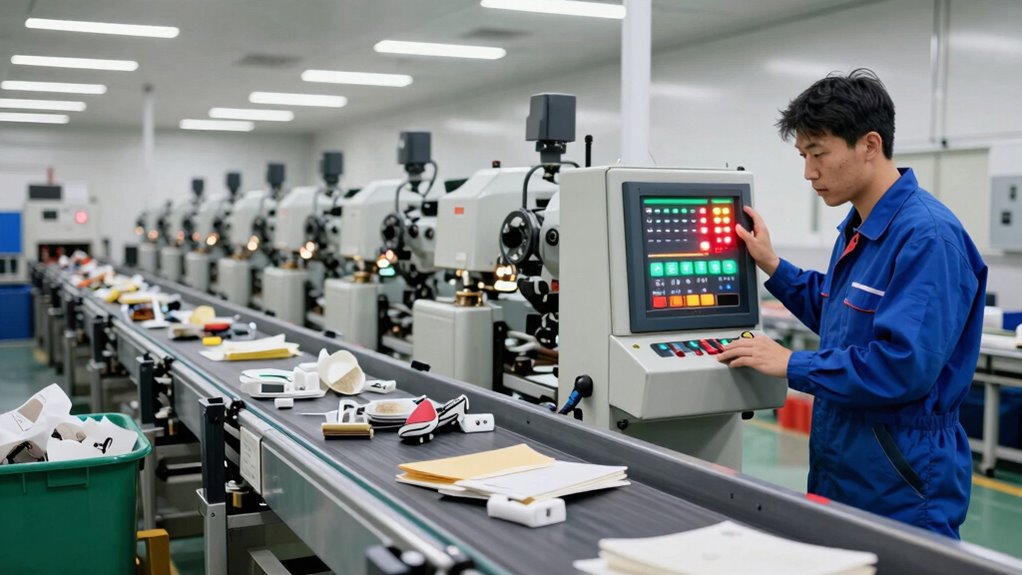
When a process consistently falls short of expectations despite adding more machines, it’s a clear sign that the root issue lies elsewhere. Instead of rushing to buy another piece of equipment, you need to look deeper into the workflow and identify what’s truly causing the bottleneck. Often, the problem isn’t the capacity but how effectively the existing resources are being utilized. Automation bottlenecks can occur when processes aren’t fully optimized or when machines aren’t integrated smoothly into the workflow. If your team isn’t trained properly, they might not be operating the equipment efficiently or troubleshooting issues promptly. This can lead to idle time, repeated errors, or delays that no amount of new machines can fix.
Adding more machines doesn’t solve bottlenecks—focus on optimizing processes and training your team first.
You should ask yourself whether the current process is well-understood by your employees. Employee training plays a critical role here. If staff members aren’t up to speed on the best practices or how to handle unexpected problems, adding machines only complicates the situation. It might seem counterintuitive, but sometimes, the root of the problem lies in human factors rather than equipment limitations. When workers lack the skills or confidence to operate machinery correctly, it creates a bottleneck that no additional machines can resolve. Before investing in more equipment, invest in thorough employee training. This can streamline operations, reduce errors, and improve overall productivity.
Another key indicator that more machines won’t help is inconsistent throughput. When the output fluctuates despite increased capacity, it suggests process inefficiencies or misaligned workflows. Automation bottlenecks often stem from poor process design, not equipment shortages. If the process isn’t designed to maximize the capabilities of your machines, adding more won’t improve speed or quality. Instead, it might just add complexity. Consider mapping out the entire process and analyzing where delays happen. Are some steps redundant? Are there unnecessary handoffs? Addressing these issues can free up existing resources and make your workflow more efficient. Process analysis can reveal underlying inefficiencies that aren’t immediately obvious.
Finally, pay attention to your team’s feedback. If employees regularly report confusion, frequent breakdowns, or delays, it’s a sign that investment should go into improving processes and training rather than more equipment. When your team is well-trained and processes are optimized, machines operate more smoothly, and automation bottlenecks diminish. Additionally, understanding the role of biodiversity and sustainable practices can help organizations develop more resilient and adaptable workflows. Recognizing the importance of effective resource management can further ensure that your resources are aligned with your long-term operational goals. Sometimes, implementing process improvements and fostering open communication channels can significantly enhance overall efficiency. Ultimately, recognizing these signs early can save you money, time, and frustration. More machines are not always the answer; sometimes, the solution lies in refining processes and empowering your workforce.
employee training for manufacturing efficiency
As an affiliate, we earn on qualifying purchases.
As an affiliate, we earn on qualifying purchases.
Frequently Asked Questions
How Do I Identify the Root Cause of the Process Issue?
To identify the root cause of a process issue, conduct a thorough process analysis by observing every step and gathering data. Look for patterns or bottlenecks that repeatedly cause delays or errors. Ask questions about why each problem occurs and trace symptoms back to their origin. This helps you uncover the root cause, rather than just addressing surface symptoms, guiding you toward effective solutions rather than adding more machines.
What Are Alternative Solutions Besides Adding More Machines?
You should explore automation opportunities and equipment upgrades before adding more machines. Automating repetitive tasks can boost efficiency without increasing equipment count, while upgrades can improve existing machine performance. Analyze your process flow to identify bottlenecks and consider staff training or process redesigns. These solutions often address root causes more sustainably, reducing downtime and costs, and helping you optimize your current setup before investing in additional machinery.
How Can I Measure the Effectiveness of Process Improvements?
You can measure process improvement effectiveness through process mapping and performance metrics. Start by outlining each step to identify bottlenecks and inefficiencies. Then, track key performance indicators like cycle time, defect rates, and throughput before and after changes. If these metrics improve consistently, your process is more effective. If not, it indicates further adjustments are needed, and adding more machines may not be the solution.
When Should I Consider Redesigning the Entire Process?
Ironically, you should consider redesigning the process when adding more machines, process automation, or equipment maintenance no longer improves efficiency. If you find yourself constantly patching issues or juggling manual tasks, it’s a sign that the core process needs a fresh look. Instead of piling on machinery, step back, analyze workflow bottlenecks, and re-engineer the process for sustainable gains. Sometimes, a complete redesign outshines incremental fixes.
What Role Does Employee Training Play in Solving Process Problems?
Employee training boosts process problem-solving by enhancing employee engagement and skill development. When you invest in training, your team becomes more capable of identifying issues and implementing effective solutions, reducing reliance on additional machinery. Engaged employees are motivated to improve workflows, and skill development guarantees they have the knowledge needed for sustainable improvements. This proactive approach helps you address root causes, leading to long-term process efficiency instead of quick fixes.
Conclusion
Remember, throwing in another machine might seem like the quick fix, but it often isn’t the answer. In fact, studies show that up to 85% of process problems are due to system inefficiencies rather than equipment limitations. If you notice persistent bottlenecks despite adding more machines, it’s time to analyze your process flow and address root causes. Sometimes, optimizing your existing setup and training staff yields better results than constantly expanding your machinery.
Evergreen bestsellers Picks
bestsellers
As an affiliate, we earn on qualifying purchases.