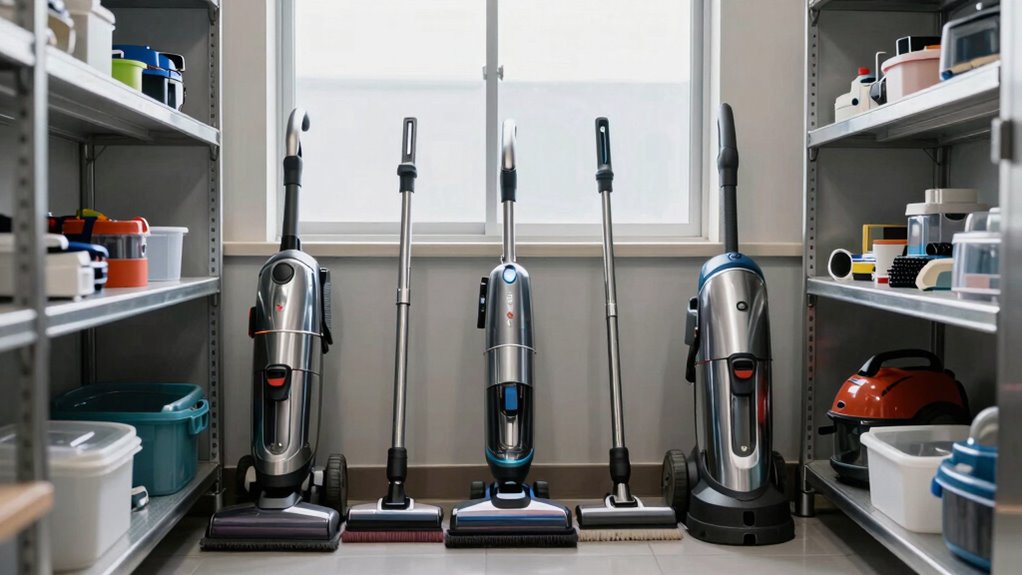

Investing in expensive cleaning equipment doesn’t automatically boost your margins because you might not be utilizing it effectively or providing proper staff training. High costs don’t guarantee better results if the equipment isn’t suited to your needs or remains underused. Operational efficiency, routine improvements, and understanding the equipment’s features matter more than the price tag. Keep in mind that smarter investments and proper management can have a bigger impact—if you explore further, you’ll discover how to make smarter choices.
Key Takeaways
- High-cost equipment doesn’t guarantee better results without proper staff training and operational efficiency.
- Underutilized or improperly maintained expensive tools can increase costs without boosting margins.
- Focusing on operational improvements often yields comparable benefits to costly equipment upgrades.
- Long-term expenses like repairs and maintenance can offset initial savings from expensive machinery.
- Equipment selection should match specific needs; more expensive doesn’t always mean higher value or ROI.
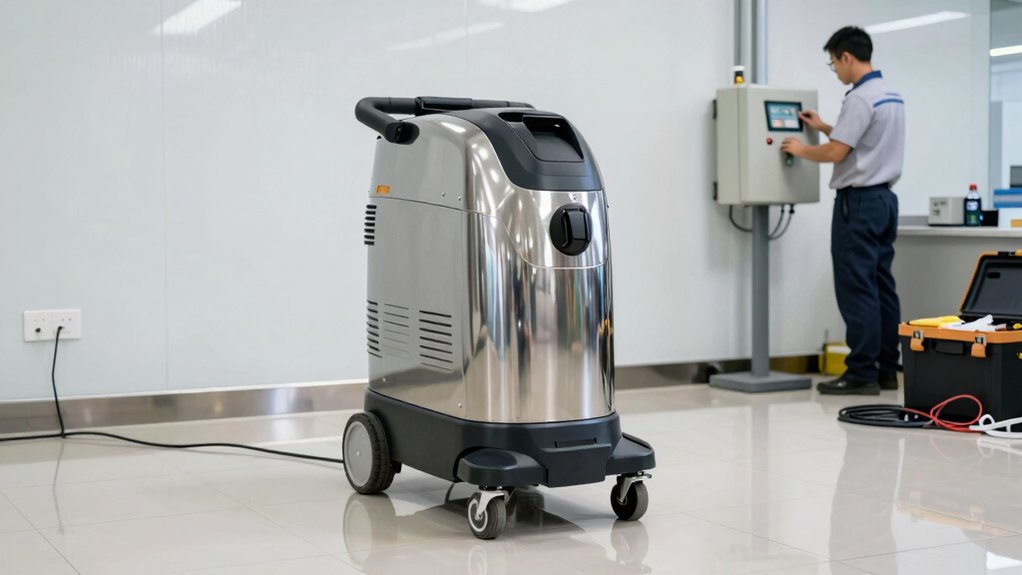
Investing in expensive cleaning equipment might seem like a straightforward way to boost your margins, but it doesn’t automatically guarantee better profitability. Many business owners fall into the trap of believing that high-cost tools will instantly lead to greater efficiency and higher profits. This mindset stems from common cost misconceptions—assuming that spending more on equipment equals better results—and efficiency myths, which suggest that expensive gear will always do more in less time. In reality, the true measure of profitability lies in how well you utilize your equipment, not just its price tag.
When you buy costly machines, it’s tempting to think they’ll streamline operations and cut labor costs. However, if you lack proper training or don’t understand the equipment’s capabilities, you might not see the expected efficiency gains. The initial investment becomes a sunk cost, and the equipment may sit idle or be underused, eating into your profit margins. It’s essential to evaluate whether your team is capable of maximizing the equipment’s potential before making a significant purchase. Otherwise, you’re paying for features you don’t need or won’t use, which reinforces the cost misconceptions that expensive doesn’t always mean better.
Additionally, focusing solely on high-end equipment can distract you from optimizing existing tools and processes. Many cleaning professionals find that streamlining their routines, training staff effectively, and maintaining equipment properly can yield comparable or even superior results without the hefty price tag. This debunks the efficiency myth that more expensive gear automatically leads to faster or more thorough cleaning. Sometimes, the key to better margins is smarter work, not bigger investments. Upgrading equipment without addressing operational inefficiencies can lead to wasted expenses and missed opportunities for cost-saving improvements. Recognizing the importance of equipment lifespan and proper maintenance can also help ensure that your investments provide long-term value rather than hidden costs. Additionally, understanding the role of cost misconceptions in decision-making can prevent unnecessary spending and promote smarter investments.
Furthermore, the durability and lifespan of expensive equipment aren’t guaranteed to save you money in the long run. Maintenance costs, repairs, and upgrades can quickly offset initial savings. If you’re not careful, you might invest heavily in machines that require frequent repairs, reducing your overall profit. Instead, it’s wiser to consider equipment that balances quality and affordability, along with a clear understanding of your specific needs. That way, you avoid falling into the trap of equating high cost with high value. A thoughtful approach to equipment selection can help maximize ROI and ensure your investment remains cost-effective over time. It’s also important to consider the total cost of ownership, including ongoing expenses, when evaluating equipment options to make truly informed decisions. Additionally, considering the market availability of replacement parts can help prevent prolonged downtime that eats into your margins.
In the end, boosting cleaning margins isn’t about purchasing the most expensive equipment. It’s about critically assessing your operational needs, properly training your staff, and making strategic investments. Recognize that cost misconceptions and efficiency myths can cloud judgment, but with careful planning, you can achieve better results and higher profits without overspending.

The Easy Guide to Professional Cleaning for Homes, Airbnb & Offices: A Complete System for Effective Cleaning and Maintenance
As an affiliate, we earn on qualifying purchases.
As an affiliate, we earn on qualifying purchases.
Frequently Asked Questions
How Do Staff Training and Experience Impact Cleaning Margins?
Your staff’s expertise and thorough training programs directly impact cleaning margins. When your team is well-trained and experienced, they work efficiently, reducing time and resource wastage. This increases productivity and quality, which can justify higher prices or lower costs. Conversely, lacking proper training can lead to mistakes, rework, and customer dissatisfaction, all of which cut into your profit margins. Investing in staff development guarantees consistent, high-quality cleaning that boosts your bottom line.
What Role Does Customer Service Quality Play in Profitability?
Customer service quality directly boosts your profitability by enhancing customer satisfaction and ensuring service consistency. When you prioritize attentive, friendly interactions, clients feel valued and are more likely to return. Consistent, high-quality service builds trust and encourages positive reviews, attracting new business. By focusing on these aspects, you create a loyal customer base that sustains your margins, proving that excellent service, not just expensive equipment, drives your success.
How Do Maintenance Costs Affect Overall Equipment ROI?
Maintenance costs directly impact your equipment ROI because high maintenance expenses eat into your profits. When you account for equipment depreciation and ongoing maintenance expenses, the true cost of expensive equipment rises, reducing overall returns. If maintenance becomes frequent or costly, it can negate the benefits of investing in premium equipment. To maximize ROI, you need to balance initial costs with manageable maintenance expenses and depreciation over the equipment’s lifespan.
Can Cleaning Frequency Influence Profit Margins?
Cleaning frequency directly influences profit margins by affecting operational efficiency and equipment longevity. Regular cleaning schedules prevent buildup that could cause breakdowns or slowdowns, reducing downtime and maintenance costs. Upgrading equipment can enhance cleaning effectiveness, but if cleaning schedules aren’t maintained, margins won’t improve considerably. You need a balanced approach: consistent cleaning routines combined with strategic equipment upgrades to optimize profits and maintain high cleaning standards.
What Are Alternative Strategies to Improve Cleaning Margins?
To improve your cleaning margins, focus on innovative cleaning techniques that boost efficiency and reduce time spent per job. Incorporate cost-effective supplies, ensuring quality without overspending. Train staff on best practices, minimizing waste and errors. Streamlining processes and negotiating supplier discounts can also lower costs. By combining these strategies, you’ll maximize profits without relying solely on expensive equipment, making your cleaning business more sustainable and profitable.
Conclusion
Just like throwing a fancy paintbrush at a blank canvas doesn’t guarantee a masterpiece, expensive cleaning equipment won’t automatically boost your margins. Success depends on how you use it—training your team, maintaining the gear, and managing your processes. Invest wisely, but remember that cost alone isn’t the magic solution. It’s your skills and strategies that truly turn high-priced tools into profit. Without those, even the priciest equipment can fall flat.