To assign equipment responsibility effectively to crews, clearly define roles and communicate expectations through briefings or training sessions. Use organized inventory management tools like digital logs or checklists to track tools and machinery, ensuring everything is accounted for and maintained properly. Promote accountability by emphasizing safety protocols and fostering a sense of ownership among team members. Continuously reinforce responsibilities and utilize digital systems to streamline the process—keep exploring how these strategies can benefit your crew’s efficiency and safety.

Get cleaning gear delivered free with Prime
- Fast, free delivery on millions of items
- Prime Video, Amazon Music and more included
- Member-only deals all year
Key Takeaways
- Clearly define roles and responsibilities through team briefings or training sessions.
- Utilize digital tools or logs to track equipment checkouts and maintenance.
- Assign specific crew members to oversee equipment care and safety compliance.
- Foster a culture of accountability and proactive maintenance among team members.
- Regularly reinforce responsibilities and review equipment management procedures.
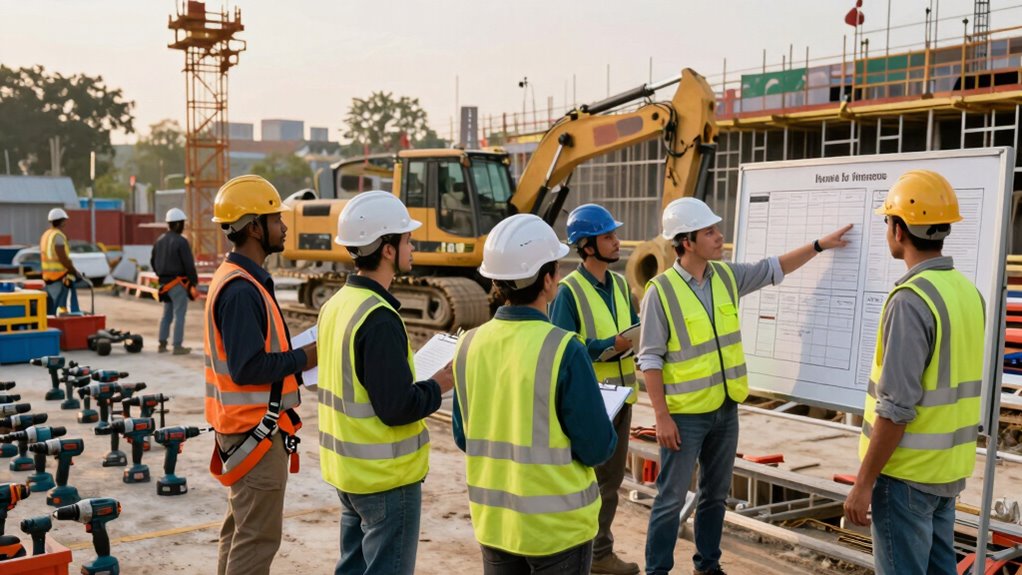
Have you ever wondered how assigning equipment responsibility can improve your crew’s efficiency and accountability? When you clearly designate who is responsible for specific tools and machinery, it becomes easier to manage inventory tracking and ensure safety protocols are followed consistently. Assigning equipment responsibility isn’t just about knowing who has what; it’s about creating a system that promotes organization, reduces downtime, and minimizes errors. By doing so, you give your crew a sense of ownership over their tasks, which naturally leads to better maintenance and care of equipment.
Assigning equipment responsibility boosts efficiency, accountability, and equipment care through clear ownership and organized management.
Effective inventory tracking is a cornerstone of this approach. When each crew member knows exactly which equipment they’re responsible for, it becomes simpler to keep tabs on tools, prevent loss, and schedule timely maintenance. This reduces the chaos that often comes with misplaced or missing equipment and ensures that everything is accounted for at all times. You can implement digital tools or simple logs to track who checked out what, when, and for how long. This clarity not only keeps everything organized but also makes audits and inspections smoother. When equipment is properly tracked, your team can quickly identify issues before they escalate, saving time and money. Additionally, proper equipment responsibility fosters a culture of accountability that encourages proactive care. Incorporating training and communication about responsibilities further enhances team understanding and compliance. Clearly defining roles is essential for maintaining a safe and efficient work environment, especially when it comes to safety protocols.
You should also make sure that responsibilities are clearly communicated and documented. Hold briefings or training sessions to explain each person’s duties related to their equipment, emphasizing the importance of safety and proper tracking. Reinforce these responsibilities regularly to keep everyone accountable. When everyone understands their role and the significance of proper equipment management, you create a more disciplined and efficient work environment. Recognizing role clarity as a key factor in safety and operational success can lead to fewer misunderstandings and better teamwork. Understanding the importance of digital tools in modern equipment management can further streamline these processes. This approach not only improves operational flow but also boosts team morale as members see their roles clearly defined.
In the end, assigning equipment responsibility is about more than just organization. It’s about fostering accountability, enhancing safety, and streamlining operations. When your crew understands their specific roles in equipment management, you’ll notice improvements in productivity, safety compliance, and overall project flow. It’s a straightforward strategy that yields long-term benefits, making your management tasks easier and your team’s work more effective.
As an affiliate, we earn on qualifying purchases.
Frequently Asked Questions
How Do You Handle Equipment Responsibility Conflicts Between Crews?
When handling equipment responsibility conflicts between crews, you should facilitate open communication to clarify ownership through equipment transfer processes. Guarantee each crew understands their responsibility accountability before and after transfers, preventing misunderstandings. Regularly document and verify transfers, so everyone stays informed. By establishing clear protocols, you minimize conflicts, promote accountability, and ensure equipment is managed efficiently, fostering teamwork and reducing downtime.
What Training Is Needed for Crew Members on Equipment Responsibility?
You need to train crew members on equipment safety and proper handling procedures to prevent accidents. Make certain they understand maintenance schedules to keep equipment in top condition and avoid breakdowns. Focus on practical skills like inspection routines, reporting issues, and safe operation protocols. Regular refresher courses help reinforce responsibilities, making sure everyone is aware of their duties and up-to-date with safety standards, ultimately reducing risks and enhancing overall equipment responsibility.
How Often Should Equipment Responsibility Be Reviewed or Reassigned?
You should review equipment responsibility and accountability regularly, ideally every few months or after major projects. Reassessing responsibility protocols guarantees crew members stay aware of their roles and any updates. Frequent reviews help identify potential issues early, maintain accountability, and prevent equipment misuse. Reassign responsibilities as needed to match crew changes or evolving project demands, keeping everyone clear on their roles and maintaining ideal equipment management.
What Criteria Should Determine Equipment Responsibility Assignment?
Imagine a construction site where equipment ownership impacts project flow. You should assign responsibility based on factors like crew expertise, equipment familiarity, and workload, ensuring responsibility clarity. For example, if a team specializes in heavy machinery, they should own relevant equipment. This approach helps prevent confusion, streamlines maintenance, and boosts accountability, ultimately improving overall efficiency. Prioritize clear criteria to make informed assignments and foster reliable equipment management.
How Do You Track Equipment Responsibility Changes Over Time?
You should conduct regular equipment audits to track responsibility changes over time and update responsibility documentation accordingly. By documenting who’s responsible for each piece of equipment during audits, you create a clear record of changes. This process guarantees accountability and helps identify discrepancies quickly. Maintaining accurate responsibility documentation allows you to monitor shifts and easily reference past responsibility assignments, keeping your equipment management organized and transparent.
Conclusion
Assigning equipment responsibility clearly boosts accountability and efficiency. When crews know exactly what they’re responsible for, downtime drops and safety improves. Did you know that companies with well-defined equipment responsibilities see a 25% reduction in maintenance costs? By implementing clear assignments, you not only streamline operations but also foster a culture of ownership. Take charge now—assign equipment responsibilities effectively and watch your team perform at its best.
Halloween Picks
halloween
As an affiliate, we earn on qualifying purchases.