
TL;DR

Get cleaning gear delivered free with Prime
- Fast, free delivery on millions of items
- Prime Video, Amazon Music and more included
- Member-only deals all year
Hunker describes a DIY wreath made by attaching cleaned plastic nursery pots to a wreath form with wire threaded through their drainage holes. The pots can be painted or decorated and filled with faux plants, but the report does not provide tested durability, cost or recycling comparisons.
Hunker has shared a DIY wreath idea that reuses small plastic nursery pots left over after plants are repotted. The project attaches the pots to a wreath form with wire, turning otherwise unused containers into a piece of plant-themed home decor.
The suggested supplies include several small nursery pots, a wreath form, wire, hot glue and decorations. Hunker says the number of pots depends on their size and the design. The form can be made of grapevine, wood or metal; a vine-based form can also be left partly uncovered, while pots arranged around the full circle can conceal more of the base.
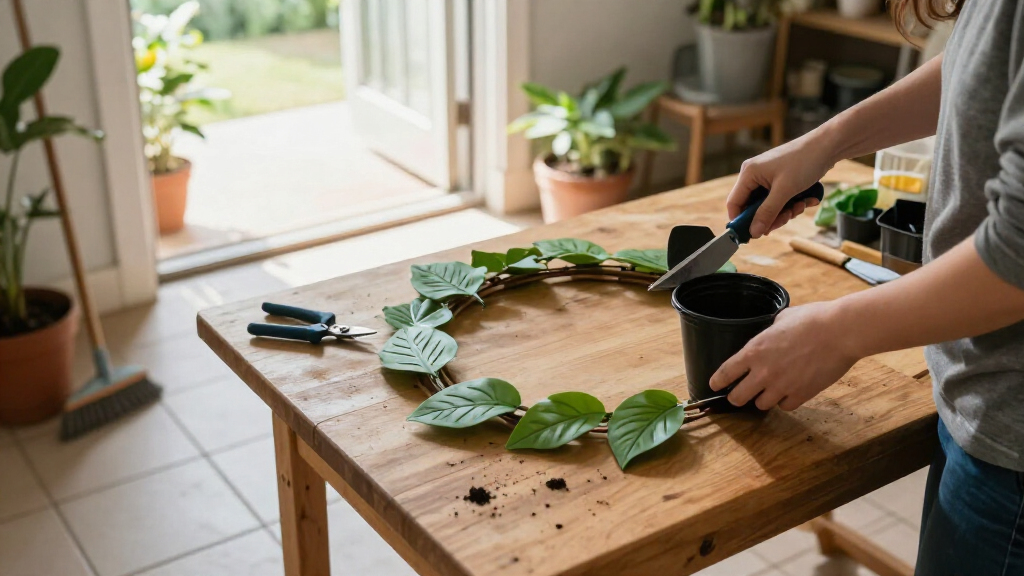
Before assembly, the pots should be washed with soapy water and scrubbed to remove dirt, then allowed to dry. To attach each one, thread wire through its drainage holes, wrap the wire around the form and secure it. Repeat until the pots are firmly fixed. The report suggests covering any open areas with artificial moss or greenery, or wrapping the form in fabric beforehand.
Decoration is flexible: pots can be painted, stencilled or trimmed with washi tape, then filled with faux flowers, succulents or greenery. Hunker also suggests adding a bow or small gardening tools. It mentions hot glue and floral foam as possible craft materials, but does not give a detailed safety guide or product testing for outdoor use.
A Second Use for Nursery Pots
The idea offers a household reuse option for containers that may be difficult to recycle locally. Hunker notes that not every area accepts plastic nursery pots for recycling, which can leave gardeners unsure what to do with them after transplanting. Turning them into decor may extend their use, though it does not replace checking local recycling rules or establish that the project reduces waste overall.
Plastic pots are also lighter and less breakable than terracotta, according to the report, which may make them easier to attach to a wreath. The result can be customized to suit a porch or indoor space, but placement matters: the source does not assess how paint, wire or faux plants hold up to sun, rain or wind.
Products Worth Considering

LEVOIT Vital 200S-P Smart Air Purifier for Large Rooms

Google Nest Cam Indoor (Wired, 3rd Gen) – Security Camera – Snow

Shark AI Ultra Robot Vacuum with Self-Empty Base
As an affiliate, we earn on qualifying purchases.
From Plant Containers to Decor
The project responds to a familiar moment for home gardeners: after moving a plant into a larger container or garden bed, its original nursery pot remains. Hunker’s report presents the wreath as one alternative to throwing the pots away, alongside the possibility of reusing them in garden decor. It also notes that terracotta pots can be used, although plastic is lighter and less fragile for this particular craft.
The proposal is a craft suggestion, not a formal recycling recommendation. Reuse possibilities and recycling acceptance depend on the pot and local collection rules. The source supplies a general assembly method rather than a tested pattern, exact pot count or measured performance results.
““DIYers have been turning their pots into really charming wreaths, perfect for any plant lover.””
— Hunker
Outdoor Wear and Recycling Rules
The source does not say how long a finished wreath will last outdoors, whether specific paints or adhesives resist weather, or how securely different pot sizes attach to different forms. It also gives no fixed materials cost, assembly time or exact pot count. Those details will vary with the materials and design.
Recycling acceptance is location-specific, and the report does not list which collection programs take nursery pots. Readers should check with their local waste service before treating the craft as a substitute for recycling. The source also does not establish how much plastic the project keeps out of landfill.
Plan the Build and Placement
Anyone trying the project can start by cleaning and drying the pots, then arranging them on the wreath form before attaching them. That dry layout helps determine whether to cover the full circle or leave part of a grapevine form visible. Once wired in place, the pots can be filled and decorated to suit the intended setting.
Before hanging it, consider whether the wreath will be indoors or exposed to weather, and choose materials and a location accordingly. The source does not provide weather-resistance guidance. Gardeners who do not use the pots for a craft can check local recycling instructions or consider other reuse options.
Key Questions
What materials are needed for the nursery-pot wreath?
Hunker lists small plastic nursery pots, a wreath form, wire, hot glue and decorations. Faux plants, floral foam, fabric, paint and greenery are optional, depending on the design.
How are the pots attached?
After cleaning and drying them, thread wire through each pot’s drainage holes, wrap it around the wreath form and secure it. Repeat until the pots are firmly attached.
Can the wreath be hung outside?
The report suggests hanging it on a porch or exterior door, but does not test weather durability. Outdoor wear is not specified, so the materials and exposure may affect how long it holds up.
How many pots will the project take?
There is no fixed count. The number depends on pot size, wreath-form size and whether the design covers the whole form or only part of it.
Should nursery pots be recycled instead?
Check local recycling guidance because acceptance varies by area. The article presents the wreath as a reuse idea but does not claim it is preferable to recycling where nursery pots are accepted.
Source: rss