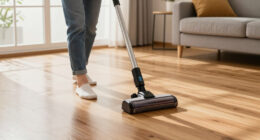
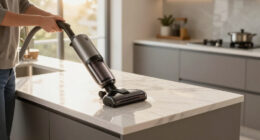
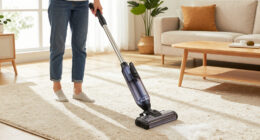
Steam cleaning feels great on smooth, non-porous surfaces because the high temperatures kill germs without leaving residue, providing a streak-free shine and quick drying. However, it can be risky on porous or delicate materials like unsealed wood or textured fabrics, as the moisture can cause swelling, warping, or mold over time. Knowing which surfaces are safe helps you avoid damage — explore further to understand how to protect your surfaces effectively.
Key Takeaways
- Steam cleaning effectively sanitizes non-porous surfaces without residue, providing a satisfying clean feel.
- Porous surfaces absorb moisture easily, risking swelling, warping, or mold when exposed to steam.
- Smooth, sealed surfaces handle heat well, making cleaning quick and streak-free, enhancing user satisfaction.
- Sensitive or textured materials can be damaged by high heat or prolonged steam, making the process risky.
- Proper testing and adjusting steam settings help ensure surfaces feel clean without long-term damage.
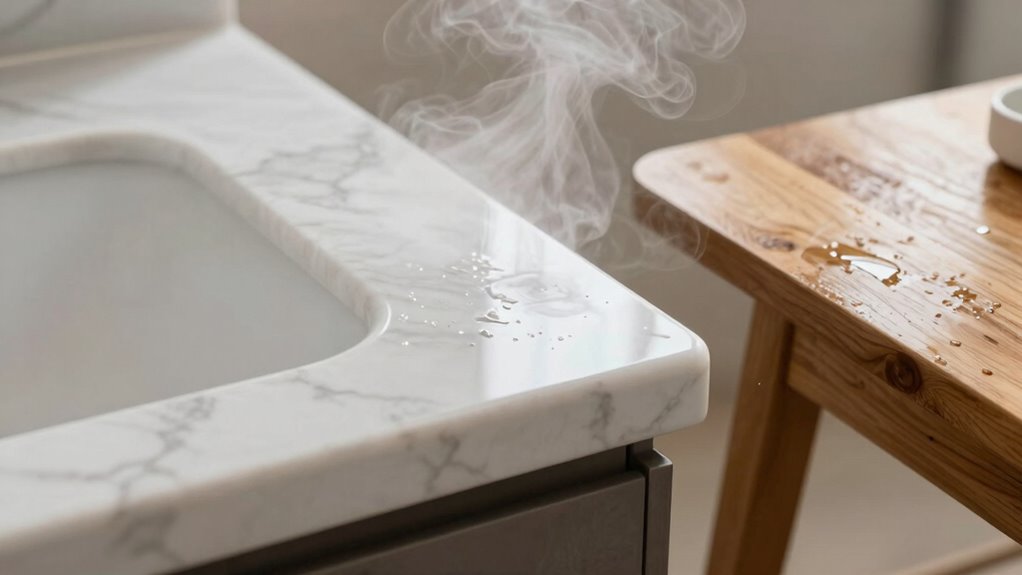
Steam cleaning is an effective way to sanitize surfaces without harsh chemicals, but it’s vital to prioritize safety to prevent damage. When you use steam, you’re relying on high temperatures and moisture to kill germs and loosen dirt. This method leaves no chemical residue behind, making it a healthier choice for your home. However, not all surfaces respond well to steam cleaning, especially those with high surface porosity. Porous surfaces, like unsealed wood, certain stones, or textured fabrics, can absorb moisture easily. If you’re not careful, this can lead to swelling, warping, or even mold growth over time.
Steam cleaning sanitizes without chemicals but requires caution on porous surfaces to prevent damage and mold growth.
You might notice that some surfaces feel great after steam cleaning, appearing spotless and refreshed. For example, ceramic tiles or sealed countertops tend to handle steam well because their smooth, non-porous nature prevents water from seeping in. These surfaces quickly dry, and you don’t have to worry about lingering moisture. On the other hand, delicate surfaces or those with open pores can absorb excess moisture, risking damage or deterioration. If you apply too much heat or keep the steam in one spot too long, you could end up causing more harm than good.
It’s important to contemplate surface porosity before you start steaming. For non-porous surfaces, steam cleaning can be fast and highly effective, giving you a streak-free shine without chemical residues. But for porous materials, you need to be cautious. Use lower steam settings and keep the nozzle moving to avoid trapping moisture. You might also want to test a small, hidden area first to see how it reacts. If the surface absorbs water easily or shows signs of damage after testing, it’s better to opt for alternative cleaning methods instead of risking long-term harm. Additionally, understanding the surface porosity can help you determine the most suitable cleaning technique for each material, especially when considering material properties and their response to moisture. Being aware of material vulnerabilities ensures you choose the safest approach for each surface type. Recognizing the potential for damage can help prevent costly repairs or replacements down the line. It’s also beneficial to consider material-specific guidelines to avoid unintended harm.
steam cleaner for non-porous surfaces
As an affiliate, we earn on qualifying purchases.
As an affiliate, we earn on qualifying purchases.
Frequently Asked Questions
Can Steam Cleaning Remove All Types of Stains Effectively?
Steam cleaning can effectively remove many stains, but it doesn’t work for all types. For example, stubborn or chemical residue stains may need specialized cleaning agents, and excessive surface moisture might cause damage or mold growth. You should assess the stain type and surface material first, ensuring steam cleaning is suitable. Always test a small area first to avoid potential damage, especially on delicate surfaces.
Is Steam Cleaning Safe for Antique or Delicate Furniture?
Did you know that 85% of antique furniture owners hesitate to use modern technology like steam cleaning? Steam cleaning can be risky for delicate or antique furniture, as the high heat and moisture might cause damage. While it’s environmentally friendly and effective on many surfaces, you should approach antique pieces cautiously. Test in an inconspicuous spot first, or consult a professional to protect your valuable furniture from potential harm.
How Often Should I Steam Clean Different Surfaces?
You should steam clean different surfaces based on their durability and surface compatibility. Generally, do it every few months for tile and vinyl floors to enjoy the steam cleaning benefits, and once a year for delicate furniture or upholstery. For daily surfaces like countertops, avoid frequent steam cleaning. Always assess each surface’s tolerance, and follow manufacturer guidelines to prevent damage while maximizing cleanliness and hygiene.
Does Steam Cleaning Kill All Bacteria and Germs?
A steam cleaner can considerably reduce bacteria and germs, but it might not kill all of them. High temperatures help with bacteria removal, yet some bacteria and viruses can survive if the steam isn’t hot enough or if the cleaning isn’t thorough. To maximize effectiveness, make sure your steam cleaner reaches proper temperatures and use it consistently on high-touch surfaces. Remember, steam cleaning is a great aid but may need to be combined with disinfectants for complete germ elimination.
Are There Specific Surfaces That Should Never Be Steamed?
Think of steam cleaning like a gentle giant—powerful but sometimes too much for delicate surfaces. You should avoid steaming materials like unsealed wood, soft fabrics, or electronic screens because of their sensitivity and surface compatibility issues. These surfaces can warp, discolor, or get damaged. Always check manufacturer instructions first, and if in doubt, test a small, hidden area before full cleaning.
Conclusion
Steam cleaning can feel like a miracle for some surfaces, turning grime into dust with just a burst of heat. But beware—using it on the wrong materials can cause damage faster than you can blink. Think of it as a powerful superhero tool that can save your home or turn it into a disaster zone in seconds. Always know your surfaces, stay cautious, and wield your steam cleaner wisely—your home’s beauty depends on it!