Before storm season hits, make sure to assess your home for vulnerabilities like loose shingles and structural weaknesses, then clear gutters and trim overhanging branches. Secure outdoor furniture and tools, and prep an emergency kit with water, food, and supplies. Regular yard maintenance helps prevent water pooling and flooding. Knowing your safety plan and inspecting your property after storms speeds up repairs and cleanup. Keep your home storm-ready to make post-storm recovery easier—discover more tips ahead.

Get cleaning gear delivered free — and shop member deals
- Fast, free delivery on millions of items
- Access to Prime Big Deal Days deals on October 6–7
- Prime Video, Amazon Music and more included
Key Takeaways
- Clear fallen leaves, branches, and debris from yard and gutters to prevent water pooling and flooding.
- Secure outdoor furniture and tools to avoid damage or hazards after the storm.
- Inspect and clean drainage systems to ensure proper water flow and prevent basement flooding.
- Document storm damage for insurance claims and plan necessary repairs promptly.
- Conduct a thorough post-storm property inspection to identify and address structural issues.
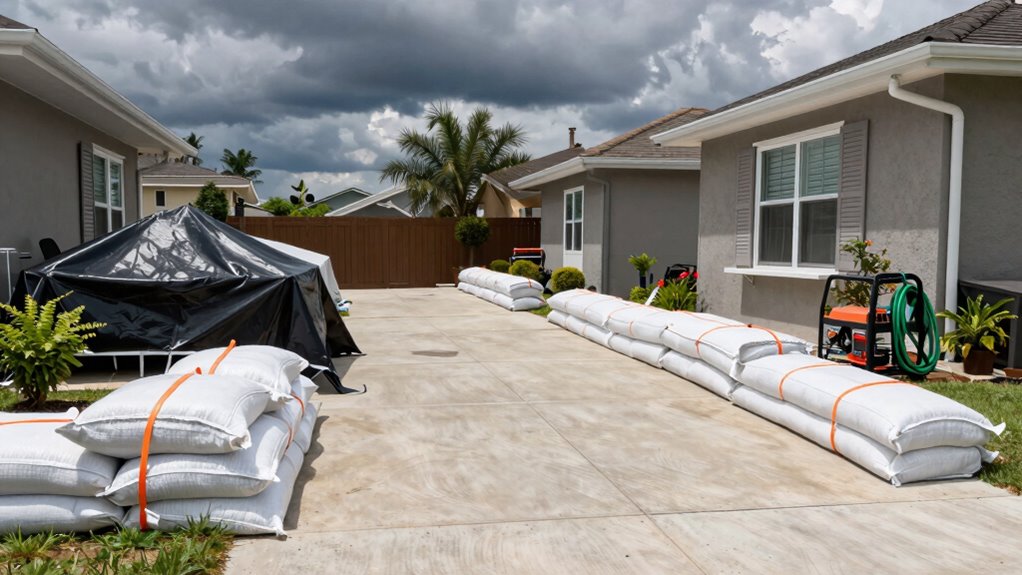
As storm season approaches, preparing your home to withstand harsh weather conditions is essential. The goal is to minimize damage and guarantee your safety once the storm passes. Start by evaluating your home’s vulnerabilities—check for loose shingles, clear gutters, trim overhanging branches, and ensure windows are secure. These small steps can considerably reduce the risk of damage and help maintain home safety during high winds and heavy rain. Having an emergency kit ready is indispensable; it should include essentials like bottled water, non-perishable food, flashlights, batteries, a first aid kit, and necessary medications. Keep this kit accessible and update it regularly to confirm everything is in working order. When storms threaten, having a well-stocked emergency kit allows you to stay safe and comfortable if you lose power or need to shelter in place for an extended period. Additionally, considering smart appliances such as air purifiers or robot vacuums can help maintain a clean and healthy environment during and after the storm.
Cleaning your yard and around your home is another essential step. Remove fallen leaves, branches, and debris that could become projectiles or clog drains during a storm. Clear pathways and ensure that outdoor furniture or tools are secured or brought inside. This reduces the chances of damage and keeps your property safe. Additionally, check your drainage systems—make sure gutters and downspouts are clean and functioning properly to prevent water from pooling around your foundation. Proper drainage not only protects your home’s structure but also helps prevent basement flooding. Regular maintenance of home exterior features can also identify potential issues before they worsen during a storm. Incorporating biodiversity-friendly practices into your property maintenance, such as native plantings or natural barriers, can also help manage stormwater runoff more sustainably. Incorporating storm-resistant materials and features during any repairs can further enhance your home’s resilience against severe weather.
As you prepare, don’t forget to review your home safety plan. Make sure everyone in your household knows what to do during severe weather and where to find emergency supplies. Practice evacuation routes if necessary, and identify a safe room inside your home where you can take shelter if needed. Proper planning keeps everyone calm and ready when the weather turns bad. After the storm, once conditions are safe, conduct a thorough inspection of your property. Look for roof damage, leaks, or fallen debris that may require immediate attention. Document any damage for insurance purposes and begin repairs promptly to prevent further issues.
storm preparedness emergency kit
As an affiliate, we earn on qualifying purchases.
As an affiliate, we earn on qualifying purchases.
Frequently Asked Questions
How Often Should I Inspect My Roof During Storm Season?
You should inspect your roof at least once a month during storm season, especially after heavy storms. Look for damage to roof ventilation and check gutters for debris that could cause blockages. Regular inspections help you catch issues early, preventing leaks or further damage. Make certain your roof remains in good shape by keeping gutter maintenance up-to-date and monitoring ventilation, which are essential for protecting your home during intense weather.
What Are the Best Materials for Storm-Resistant Windows?
You should choose impact-resistant windows with reinforced frames, such as those made from laminated glass, for storm resistance. These windows are designed to withstand shattered glass during high winds and flying debris. Consider window reinforcement options like storm shutters or adding film to strengthen existing glass. This guarantees your windows hold up against storm damage, providing safety and minimizing the risk of shattered glass inside your home.
How Can I Protect My Pets During a Storm?
Think of your pets as family; their safety during storms is just as essential. To protect them, create a safe, quiet space with familiar blankets and toys. Keep their ID tags updated, and have a plan for storm precautions, like bringing them indoors early. During a storm, stay calm—your reassurance helps reduce their anxiety, ensuring pet safety and peace of mind amidst the chaos.
What Insurance Coverage Should I Review Before Storm Season?
You should review your insurance policies before storm season to guarantee adequate protection. Check your coverage limits on homeowners or renters insurance for damage caused by storms, floods, or wind. Confirm if your policy includes specific coverage for personal property, structural damage, and additional living expenses. Understanding these details helps you avoid surprises and ensures you’re financially prepared to handle potential storm-related damages.
How Do I Create an Emergency Kit for Storm Aftermath?
Imagine creating a safety haven in your home to weather any storm. Start by gathering essential emergency supplies like bottled water, non-perishable food, flashlights, batteries, and a first aid kit. Follow safety protocols by keeping important documents handy and ensuring your communication devices work. Regularly check and update your kit, so you’re always prepared to face storm aftermath confidently, keeping your family safe and secure through any weather.
Conclusion
As you gear up for storm season, remember that a little prep goes a long way. By cleaning gutters, securing outdoor furniture, and checking supplies, you’re reducing future chaos. Did you know that over 90% of storm-related injuries happen indoors, often from preventable hazards? Staying proactive now keeps you safer later. So, take these quick steps—you’ll thank yourself when the skies clear and your home’s ready to face whatever weather comes next.
Fall Picks
fall essentials
As an affiliate, we earn on qualifying purchases.