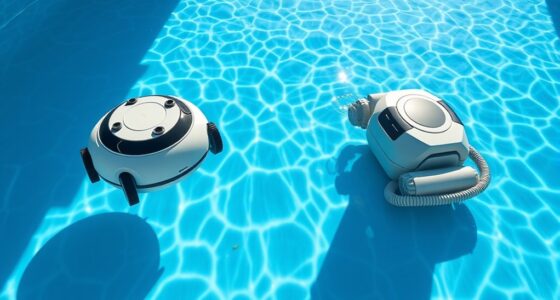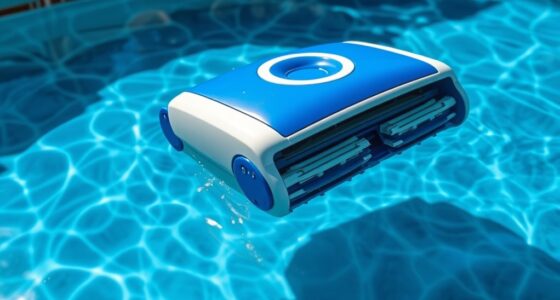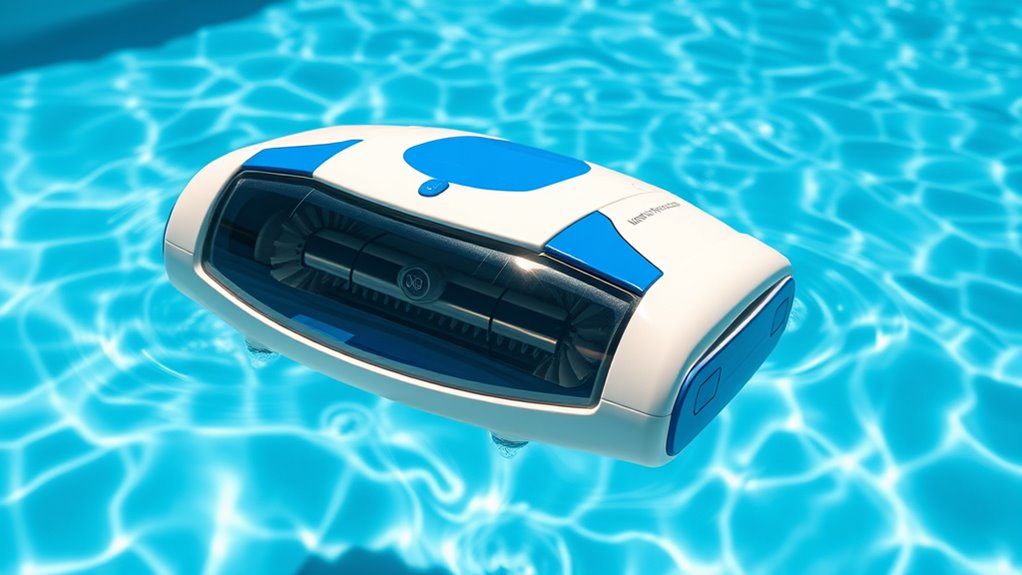

Automatic pool cleaners generally last between 3 to 8 years, depending on how often you use and maintain them. Factors like the quality of parts, environmental conditions, and proper upkeep influence their lifespan. You’ll notice performance decline with worn brushes, frequent breakdowns, or increased energy use. To get the most out of your cleaner, staying on top of maintenance helps extend its life. Explore further to learn tips for keeping your pool cleaner at its best.
Key Takeaways
- Automatic pool cleaners typically last between 3 to 8 years, depending on usage and maintenance.
- Higher-quality models with regular upkeep tend to have longer lifespans.
- Wear and tear on brushes, hoses, and motors can reduce overall durability.
- Proper storage and prompt replacement of worn parts extend cleaner longevity.
- Signs of end-of-life include decreased cleaning performance and frequent repairs.
Typical Lifespan of Automatic Pool Cleaners
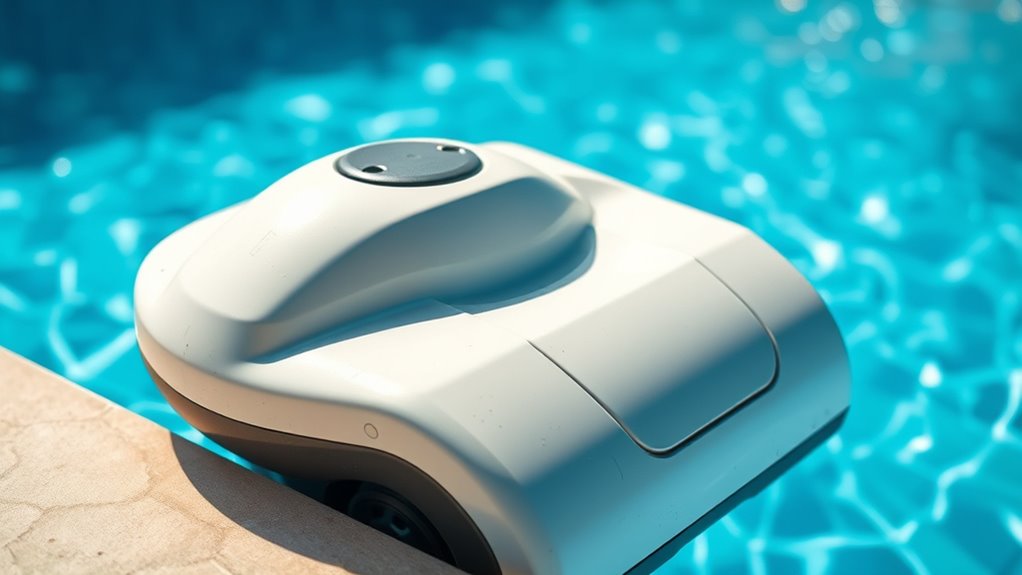
Automatic pool cleaners typically last between 3 to 8 years, depending on factors like usage, maintenance, and build quality. Your pool cleaning device’s lifespan expectations can vary based on how often you use it and how well you care for it. Regularly cleaning filters and inspecting parts can extend its life, ensuring consistent performance. Cheaper models may have shorter lifespans, while higher-quality units often last longer with proper upkeep. Keep in mind that components like brushes, hoses, and motors wear over time, impacting overall durability. If you’re diligent with maintenance, you might enjoy your automatic cleaner for several seasons. Additionally, understanding the importance of regular maintenance can help prolong its lifespan and prevent unexpected breakdowns. Proper storage and avoiding exposure to harsh elements can also protect your investment and extend the cleaner’s longevity. Furthermore, selecting models with robust construction can significantly influence their durability and lifespan. For optimal performance, it’s also beneficial to regularly update your knowledge of best maintenance practices. Ultimately, understanding these lifespan expectations helps you plan for replacements or upgrades, ensuring your pool stays clean without unexpected breakdowns.
Factors That Affect Durability and Longevity
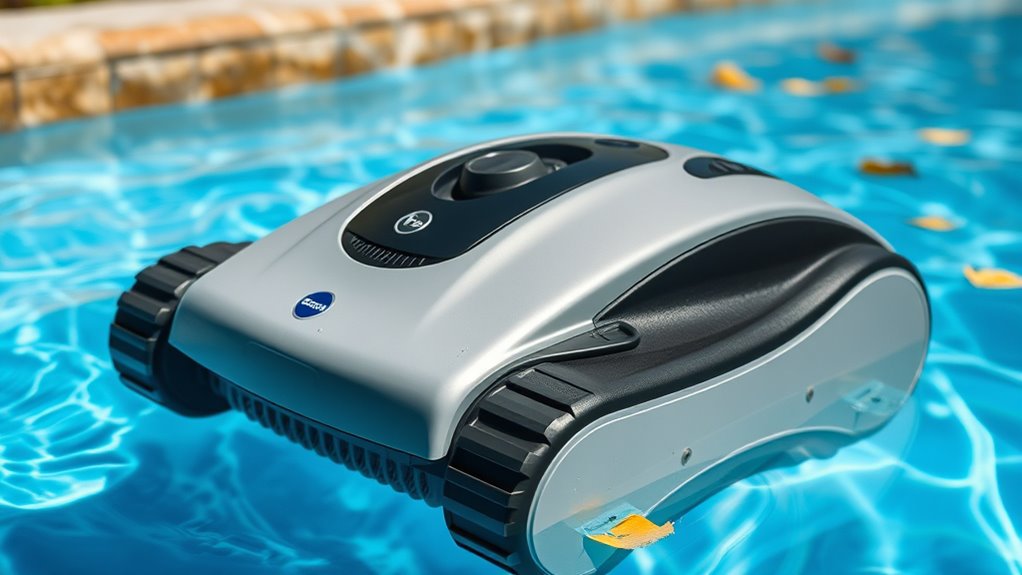
Several key factors influence how long your pool cleaner will last, including how often you use it, how well you maintain it, and the quality of its components. Regular maintenance routines, like cleaning filters and inspecting brushes, prevent buildup and reduce wear. Skipping these tasks accelerates deterioration. Environmental impacts also play a role; exposure to harsh sunlight, chemicals, or debris can weaken parts over time. Using the cleaner in a well-maintained pool and avoiding extreme conditions helps extend its lifespan. Investing in high-quality components and following manufacturer guidelines for maintenance can make a significant difference. Additionally, understanding how automation in business is evolving highlights the importance of consistent care and awareness of environmental impacts to maximize your automatic pool cleaner’s durability and ensure it performs well for years to come. Recognizing the life cycle of your equipment can help you anticipate when repairs or replacements might be needed, further extending its effective use.
Signs Your Pool Cleaner Might Be Reaching the End of Its Life

As your pool cleaner ages, it will start to show signs that it’s nearing the end of its effective lifespan. You might notice decreased cleaning performance, such as missed spots or longer cleaning cycles. If your cleaner frequently breaks down or requires repairs, it could be a sign the motor is weakening. A deteriorating brush or worn-out suction parts also indicate decline. Additionally, check if your pool cleaner is still under its original warranty—older units often aren’t covered, and replacement might be more cost-effective. Trust in a reputable brand can ensure quality, but even the best models wear out over time. Keep an eye on these signs to decide whether to repair or replace your cleaner before it stops doing its job efficiently. Regular maintenance and understanding the contrast ratio of your equipment can also help prolong its lifespan, especially when considering the impact of wave and wind conditions. Furthermore, monitoring the performance decline can help you anticipate when it’s time for a replacement to maintain optimal pool cleanliness. A thorough understanding of equipment durability can assist in planning for potential upgrades or replacements before performance drops significantly.
How Maintenance Can Extend the Life of Your Cleaner

Regular maintenance is key to ensuring your pool cleaner works efficiently for as long as possible. Properly storing your cleaner in a covered pool storage area prevents damage from the elements and extends its lifespan. Regularly check and clean the brushes, filters, and other parts to prevent clogs and wear. Replacing worn or damaged parts promptly helps your cleaner operate smoothly and prevents further damage. Keep an eye on the power cord and connections, ensuring they stay intact and free of debris. Proper maintenance also involves inspecting the tracks or wheels, replacing them if they show excessive wear. Proper installation and venting of your pool cleaner can help prevent malfunctions and extend its operational life. Ensuring correct installation minimizes unnecessary strain on components and helps maintain optimal performance. Additionally, following the manufacturer’s recommended maintenance schedule can significantly prolong your cleaner’s lifespan. Conducting regular inspections for early signs of wear can help address issues before they lead to major repairs, ultimately extending the life of your cleaner. Incorporating advanced AI-driven diagnostics can further assist in identifying potential problems early, reducing downtime and repair costs. Taking these steps reduces strain on the motor and other components, ultimately prolonging your cleaner’s life and saving you money on early replacements.
Comparing Different Types of Pool Cleaners in Terms of Durability
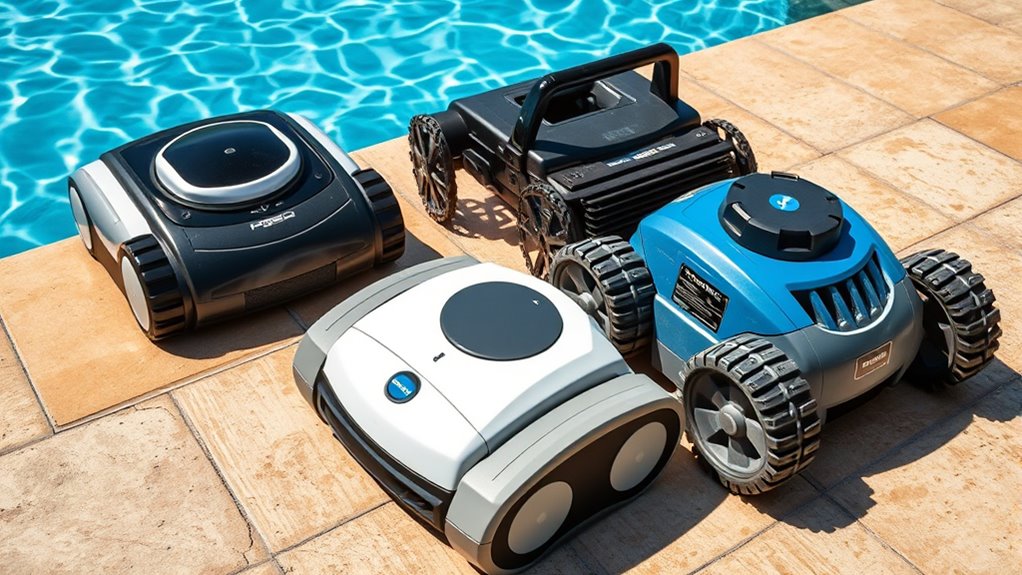
When comparing pool cleaners, durability varies substantially depending on the type you choose. Robotic cleaners often have the longest lifespan because of advanced pool cleaner technology, featuring durable motors and components designed for continuous use. Suction-side models tend to be less durable, as their hoses and motors wear out faster with regular use. Pressure-side cleaners generally fall in between, offering decent longevity but sometimes requiring more frequent repairs. Cost considerations play a big role in durability; higher-priced models typically use better materials and technology, extending their lifespan. Cheaper options may save money upfront but often need replacement sooner. Ultimately, investing in a well-made, technologically advanced cleaner can save you money and frustration over time, providing a reliable, longer-lasting solution for maintaining your pool.
When to Repair Versus When to Replace Your Pool Cleaner
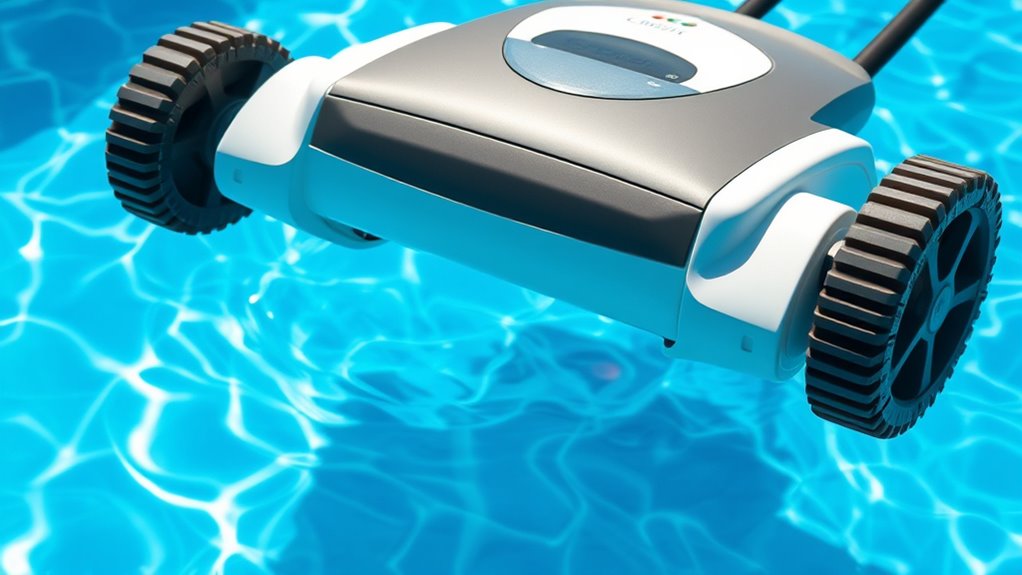
Deciding whether to repair or replace your pool cleaner depends on the extent of the damage and the age of the unit. If your cleaner struggles with collecting pool debris efficiently or shows signs of declining energy efficiency, it might be time to think about a replacement. Consider the age of the unit, as older models tend to have more frequent issues and may not be compatible with newer, more efficient technology. Ask yourself these questions: 1. Is the motor making strange noises or failing to start? 2. Are repairs costing more than half the price of a new unit? 3. Has the cleaner become less effective at cleaning, especially with debris buildup? Additionally, some models may incorporate glycolic acid benefits, such as enhanced durability and cleaner operation, which are worth considering. It’s also important to evaluate whether the current model offers energy-efficient features, as these can significantly reduce operating costs over time. Modern models often include advanced filtration systems, which can improve overall cleaning performance and longevity. If your unit is old or repairs don’t restore peak performance, replacing it could save you money and energy. A new cleaner will work more efficiently, reduce energy costs, and handle debris more effectively, making it a smart investment. Additionally, considering candy innovations like high-tech features or energy-efficient models can help you choose a more durable and effective unit.
Tips for Maximizing the Years of Your Automatic Pool Cleaner

To extend the lifespan of your automatic pool cleaner, you need to give it proper care and maintenance. Regularly clean the robotic technology components, such as brushes and filters, to prevent clogs and debris buildup. Keep an eye on the battery lifespan by charging it correctly and avoiding overcharging, which can damage the battery. Store your cleaner in a cool, dry place when not in use to prevent deterioration. Use the table below to help you maintain your cleaner effectively:
| Maintenance Tip | Expected Benefit | Frequency |
|---|---|---|
| Clean brushes and filters | Maintains cleaning efficiency | Weekly |
| Check battery connections | Ensures proper charging | Monthly |
| Store in a shaded area | Extends battery lifespan | After each use |
| Replace worn parts | Keeps robotic technology in top shape | As needed |
| Follow manufacturer guidelines | Prevents unnecessary repairs | Annually |
Proper maintenance can also help you avoid costly repair errors and ensure your cleaner operates at peak performance, especially when considering the battery lifespan and its impact on overall longevity. Additionally, paying attention to user manual instructions can prevent accidental damage and optimize your cleaner’s durability. Regular inspections for corrosion and wear can further prolong the robotic components’ functionality and reliability. Incorporating preventative maintenance practices can significantly improve the overall lifespan of your automatic pool cleaner.
Frequently Asked Questions
What Is the Average Lifespan of High-End Automatic Pool Cleaners?
High-end automatic pool cleaners typically last around 5 to 8 years. To maximize their lifespan, you should follow a consistent maintenance schedule, including cleaning filters and inspecting parts regularly. Technological advancements have improved durability and efficiency, but proper care remains essential. If you stay on top of maintenance and upgrade models as needed, your high-end cleaner will serve you well for many seasons.
Do Seasonal Changes Impact the Longevity of Pool Cleaners?
Seasonal changes definitely impact your pool cleaner’s longevity. Weather impacts, like extreme heat, cold, or heavy rain, can cause wear and tear faster. Regular seasonal maintenance, such as cleaning filters and checking for damage after harsh weather, helps extend its life. You should store your cleaner properly during off-seasons and protect it from the elements to prevent unnecessary wear, ensuring it runs smoothly for years.
Can Improper Storage Shorten My Pool Cleaner’S Life?
Improper storage can be like leaving your garden unwatered; it invites storage damage and environmental exposure that can cut your pool cleaner’s lifespan short. When you neglect to store it properly, dust, moisture, and temperature swings creep in, wearing down components faster. To keep your cleaner running smoothly, store it in a cool, dry place, away from direct sunlight, ensuring it’s protected from the harmful effects of environmental exposure.
How Does Frequency of Use Affect Automatic Pool Cleaner Durability?
Your usage frequency directly influences your automatic pool cleaner’s durability. If you run it more often, it experiences more wear and tear, potentially reducing its lifespan. Sticking to a consistent cleaning schedule helps prevent overuse and keeps parts in good condition. By balancing your usage frequency with proper maintenance, you can extend your cleaner’s life and ensure it works efficiently for years to come.
Are There Specific Brands Known for Longer-Lasting Pool Cleaners?
Like a trusty steed in a medieval tale, some brands are known for longer-lasting pool cleaners. You should look for brands with a solid reputation, as they often produce durable, high-quality models. Consistent maintenance routines also extend their lifespan. Brands such as Dolphin, Polaris, and Hayward are praised for their longevity, making them reliable choices. Regular upkeep and selecting a reputable brand guarantee your automatic pool cleaner stays in top shape longer.
Conclusion
Your pool cleaner’s lifespan varies like seasons—sometimes lasting years, other times just a season. While regular maintenance and attentive care can extend its life, inevitable wear and tear will eventually take their toll. Think of it like a trusted friend: with proper care, it’ll serve you well, but even friends need a break. When signs of aging appear, weigh repair options against replacement—either way, keeping your pool pristine is always worth the effort.